What Do You Need to Know About Catheters?
Catheters aren’t the most glamorous topic. But they play a key role in healthcare for millions of patients every day.
It’s normal to feel nervous or wonder when you hear the word “catheter.” But if you or a loved one have been told you’ll need one, don’t let it scare you. Catheters are commonly used throughout all kinds of healthcare settings. While they might sound painful, most people find them much easier to deal with than they imagined.
In the most basic sense, catheters are just thin tubes. They allow fluid to either go into or leave your body, or we can use them to bring tiny tools into your body for observation or to treat conditions. There are a number of catheters for a number of different jobs, but all are designed to help patients recover faster, feel more comfortable, and manage long-term care with greater ease.
How Do We Use Catheters? Types of Catheters
IV
The most widely used catheter (though not always recognized as one) is the intravenous (IV) catheter, usually inserted into a vein in the hand or arm.
IVs bring medication, fluids, and nutrition straight into your bloodstream. They’re also used for blood transfusions. IV catheters are vital if someone can't or it isn't safe for them (because of their condition), to eat, drink, or take medication by mouth.
Central Lines
Central venous catheters are used when we need frequent or long-term access to a patient’s bloodstream. That might include if you need many rounds of antibiotics, intravenous nutrition, or chemotherapy.
Also known as a “central line,” these catheters are inserted into a larger vein in the neck, chest, or groin.
Epidurals
Epidural catheters are inserted through the skin in your back to get into your spine (specifically, into the epidural space in the spinal canal).
They’re well known for relieving the pain associated with childbirth: estimates suggest 60-70% of women get an epidural during labor and delivery. Epidurals are also used to relieve pain in knee, hip, back, abdominal, gynecologic, and prostate surgery.
Short-Term Dialysis
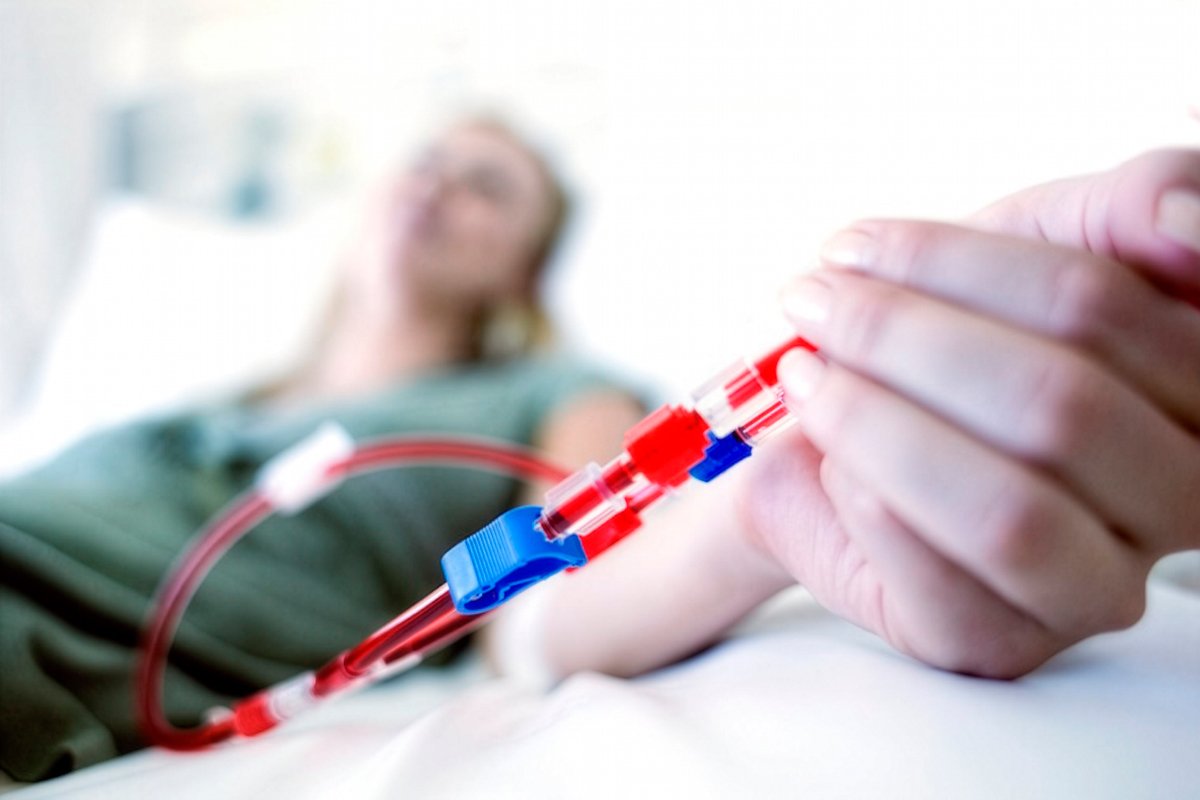
In some cases, they’re used for short-term dialysis. Blood is taken out of the body via a catheter, filtered through a special machine to remove waste (a dialysis machine), and the newly cleaned blood is returned to the body via a second catheter.
Dialysis doesn't always mean going to a treatment center. And even with home dialysis, catheters play a critical role.
Urinary Catheters
Urinary catheters are what many people first think of when they hear the word “catheter.” These tubes take urine out of the body during and after major surgery, especially if you have a condition that makes it difficult to control your bodily functions, such as after a stroke. A Foley catheter is a special kind of urinary catheter that may be placed in the bladder for several days or weeks at a time to allow urine to continuously drain.
Catheters might also be used to track how much urine you’re producing, which is important to monitor hydration and kidney function.
With urinary catheters, a numbing gel is used to make placement of the catheter more comfortable. Once in place, it usually doesn’t hurt. Some urinary catheters are temporary during a hospital stay, while others are used long-term and require regular care and replacement.
Cardiac Catheters
Cardiac catheterization is a procedure to diagnose or treat certain heart conditions. We insert a catheter into a blood vessel in your wrist or groin. We then use X-rays to guide it to the heart.
This allows us to find blockages from plaque buildup (called atherosclerosis) and measure pressure within the chambers of the heart. We can also take blood samples to see how much oxygen your heart is getting.
If we do find atherosclerosis, we can respond during the procedure itself, rather than having to come back later. This could include angioplasty and possibly stent placement. In angioplasty, a balloon is inserted and inflated to widen a narrowed (partially blocked) artery. We may then put in a wire mesh tube (the stent) to help keep the artery open.
Millions of folks get dangerous arrhythmias: uneven heartbeats from bad electrical signals. A heart ablation could get you back on your beat.
Catheter Risks
Catheters deliver life-giving fluids and nutrition, allow bodily waste to be safely removed, and help diagnose and repair heart problems. But they do come with risks.
The most common is infection. The likelihood of infection increases the longer a catheter remains in place. You may also feel discomfort when they’re inserted, bleeding or bruising at the site, or obstruction within the tube.
Healthcare professionals are trained to lower these risks as much as possible. If you go home with a catheter that was put in at the hospital, you or your family will be trained on keeping the area as clean as possible and spotting signs of infection.
If you need a catheter for a few days or longer, you might be surprised at how quickly your body adapts to it. With care and attention, you can help your catheter do the job it was intended to do: helping restore and maintain your health or that of a loved one.