Get Your ZZZs: What to Know About Lack of Sleep & High Blood Pressure

Sleep is really important for our wellness and functioning. But we often ignore how important it is. We sometimes give priority to too many other things in life, like studying, work, or the latest episodes of your favorite show (to name just a few).
But sleep isn’t just a ‘nice to have.’ We may be OK dragging ourselves around the next day after only getting a few hours of rest, and we may only wince at the dark circles we see in the morning mirror, but short sleep can contribute to significant health problems too.
"Lack of sleep and high blood pressure have a close relationship, one that can put you in harm’s way," says Raza Yunus, MD, a cardiologist and heart disease expert at UVA Health. The list of health problems that could develop or get worse from lack of sleep isn't short:
- Heart disease
- Type 2 diabetes
- Obesity
- Problems with memory and focusing
- Anxiety and depression
- Weakened immune system
Let's look at the role that short sleep, defined as less than 6 hours a night, can play in elevating your blood pressure.
High Blood Pressure Basics
Blood pressure is exactly what it sounds like: the pressure or force of your blood pushing on your arteries as it flows through your body.
It can temporarily increase from time to time, such as after hard physical activity or during stressful moments. But when it’s consistently high, it's called high blood pressure or hypertension.
Hypertension is a serious health issue that can lead to a heart attack or stroke, and can make other conditions worse.
What Causes It?
Genetics can play a big part in high blood pressure. So can lifestyle. For example, eating too many fatty or salty foods and not exercising enough.
Certain medications, such as some pain relievers and cold remedies, as well as birth control pills, can contribute to high blood pressure.
Not getting enough sleep can also lead to or worsen high blood pressure.
Sleep: Your Body’s Chance to Recuperate
Sleep is needed biological process that affects nearly every part of your body and your life. During sleep, your body repairs and restores itself from daytime activities.
It protects your heart, allows you to think clearly when you’re going about your day, and it enhances your mood.
Sleep and Blood Pressure
Growing research links short sleep with high blood pressure. Studies have found that people who regularly sleep less than six hours a night are more likely to develop high blood pressure than those who usually get seven to eight hours nightly.
For some people, even one night of short sleep can lead to a temporary jump in blood pressure the next day. Over time, this can result in chronic (long-term) hypertension, particularly if you're already at risk because of lifestyle choices or existing health conditions.
Certain groups seem to be more affected than others. The connection between short sleep and high blood pressure is stronger in Blacks people, women, older adults, and those with existing health problems, such as diabetes or obesity.
It’s not entirely clear why these groups are more likely to have this stronger connection, but obstacles to health care, stress, employment trends, and related sleep disorders may all play a role.
What Explains the Short Sleep-Hypertension Link?
"When you sleep, your heart rate slows and your blood pressure dips. But it may not dip as much during a short-sleep night," notes Yunus, meaning that your body loses out on this natural reboot. When short sleep becomes a pattern, it raises the risk of hypertension.
There are other reasons short sleep can lead to higher blood pressure:
- It can make you feel more highly alert or “wired,” spiking blood pressure.
- It disrupts cortisol and aldosterone, which are hormones that regulate blood pressure and your body's reaction to stress.
- Short sleep can trigger low-grade inflammation in the body, which may damage blood vessels over time.
- Poor sleep can also promote other lifestyle choices that can lead to high blood pressure. If you’re regularly tired, you’re likely to be less physically active and inclined to overeat, especially unhealthy foods. It may also be more difficult dealing with stress. All of these can raise your blood pressure.
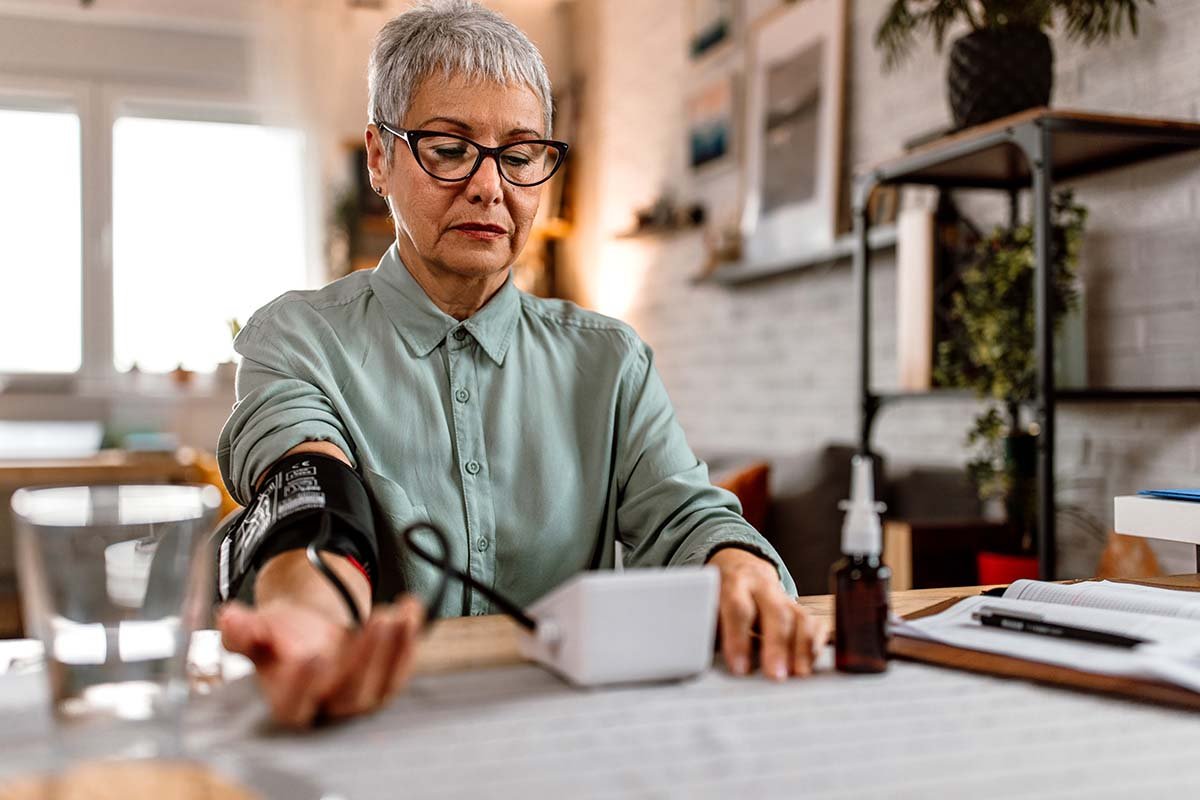
What Is a Good Blood Pressure?
Blood pressure that is too high (hypertension) or too low (hypotension) can be a problem for your health. See what's considered a normal blood pressure by age and fitness level.
How Much Sleep Do You Need?
Most adults need between seven and nine hours of sleep each night. But the quality of your sleep matters, too. Having trouble falling asleep and waking up frequently can be almost as bad as not enough sleep. If you often wake up feeling tired or feel you need a nap during the day, your sleep may not be as healthy as it should be.
Improving Your Sleep
If your blood pressure is high, improving your sleep can help lower it, possibly even reducing or getting rid of the need for medication.
"The good news is that there are lots of things you can do to improve your time in bed," reminds Yunus:
- Maintaining a schedule of going to bed and waking up at about the same time every day, even on weekends, is great for sleep and general health. It trains your brain to get ready for sleep at a specific time, making it easier to fall asleep and stay asleep.
- Stretching, meditating, or deep breathing before bed can help you wind down.
- Making sure your bedroom is not too cold or not too hot is a surefire sleep booster.
- Finishing dinner, including drinking water, at least three hours before bedtime, is good for several reasons:
- It reduces nighttime bathroom trips, meaning you won’t have to try and fall asleep again.
- Eating late may disrupt your body’s natural circadian rhythm, possibly keeping you awake longer.
- Digesting food and trying to fall asleep at the same time can be demanding for your body, especially if the meal was large; sleep often suffers.
- Late meals boost your insulin and blood sugar, which can interfere with the release of melatonin, your body’s natural sleep hormone.
- Staying away from caffeine, including chocolate, and alcohol late in the evening will also enhance sleep quality.
Prioritizing sleep can lead to all-around better health, including keeping your blood pressure down. As always, if you have questions about your sleep, how it affect your health, and how you can make your sleep better to help keep your blood pressure down, talk to your UVA Health primary care provider.
Article Topics