HPV Vaccine Myths & Facts
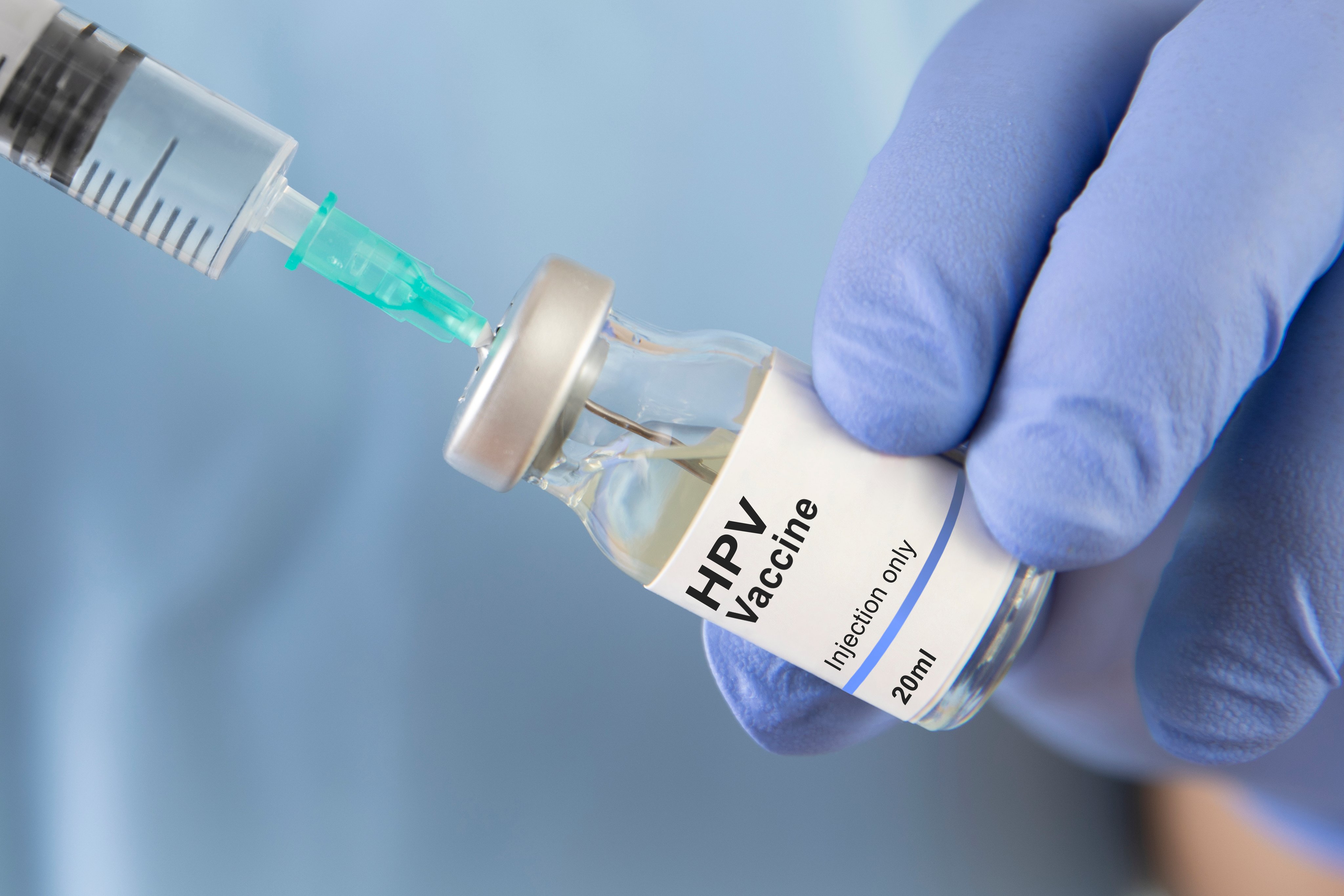
Almost everyone will get Human Papilloma Virus (HPV) at some point in their life. And while most infections pass with no symptoms, sometimes this virus can lead to cancer. 99% of all cervical cancer cases are linked to HPV.
Even though an effective vaccine has existed for more than 20 years, some confusion early in vaccine adoption has led to some persistent myths. This has reduced the overall number of people currently protected by this vaccine. There's also a continued lack of awareness about the vaccine. Nearly 25% of Virginians didn't know about the HPV vaccine.
UVA Health providers from adolescent health, gynecological health, and cancer specialists weigh in to share myth-busting facts about HPV and the vaccine.
Myth: HPV is a Sexually Transmitted Disease
Fact: There are over 100 strains of HPV, of which about 40 are usually transmitted sexually. But HPV can also spread through several different avenues.
The reason you’re told to wear flip-flops in the shower? HPV. Which can hang out on the floors of locker rooms, showers, and pool areas. Sharing personal items, like razors, can also spread the virus.
All warts, including plantar warts, are caused by HPV. (That said, the vaccine does not protect against the strain that causes plantar warts, so maybe keep wearing flip-flops in the locker room.)
Myth: There’s No Need to Vaccinate Until You’re Sexually Active
Fact: Vaccinating before any sexual contact is the best approach.
“You want to vaccinate prior to close contact, so it is approved as early as 9,” Susan Modesitt, MD, a gynecologic cancer specialist, explains. (And contact does not necessarily mean sexual but can include the sexual kind.) “Like any vaccine, the HPV vaccine needs time to take effect before it can adequately protect against infection.”
But also, as Heather Payne, WHNP, points out, “the immune response is so much better in younger people.” Early vaccination packs an extra-protective punch. Plus, kids “who start the vaccine series before age 15 only need two doses of vaccine, whereas those who start the series later need three doses.”
Myth: Adults Can’t be Vaccinated
Fact: This myth actually makes a lot of sense. When it was first introduced, the vaccine was only approved for adults up to the age of 25. But since then, the standards have been revisited. You can get the vaccine up to age 45.
If you’re an adult who hasn’t been vaccinated, there’s still time. It won’t protect you against HPV strains you’ve already been exposed to, but it will still offer protection against any you haven’t. This is even true if you're a woman who has already had an abnormal pap smear. “Even if a woman has been exposed to HPV, or has had an abnormal pap smear, she should still get the vaccine,” Linda Duska, MD, a gynecologic cancer specialist says.
If you clear the strain, you won’t get cervical cancer from it, but you are still susceptible to other strains. And if you don’t clear it, these cancer-causing strains of HPV can integrate themselves into the DNA of your cervical cells, Duska explains. The cells can then become pre-cancerous.
Myth: Men Don’t Benefit from Vaccination
Fact: While HPV is strongly linked to cervical cancer (99% of cervical cancer is caused by HPV), it’s also linked to a growing list of other cancers, including throat cancers.
While early info about the HPV vaccine was a little ambivalent about whether or not boys and men should be vaccinated, ultimately the choice is clear. Boys and men absolutely should be vaccinated against HPV. Both to prevent potentially harming someone they care about and also for their own benefit.
Myth: The HPV Vaccine Has Horrible Side Effects
Fact: While not fun, the side effects are short-lived.
Typical vaccine side effects include soreness, headache, fatigue, and nausea. Interestingly, teenagers are more likely to faint after receiving vaccinations (including the one for HPV). But this isn’t more likely to happen after the HPV vaccine than it is to happen after any other vaccine.
Myth: If You Have HPV, You’ll Know
Fact: Most people don’t ever know they have HPV.
There’s no reliable blood test for HPV. And while there’s a good screening for cervical cancer, there aren’t routine screenings for the other cancers it causes.
While some strains cause visible symptoms, like genital warts, many don’t.
Right now, it’s estimated that around 80 million people in the United States have been infected with HPV. Of those, more than half have a strain that causes disease. Many of these people will never have symptoms or any indicators of illness.
A small fraction of those have a persistent viral infection that develops into cancer. Often decades after the initial infection. Even though this represents a small fraction of people who get the virus, it still comes to a total of nearly 40,000 vaccine-preventable cancers every year.
Myth: The HPV Vaccine Is So New, We Don’t Know If It’s Safe or Effective
Fact: The HPV vaccine has been available since 2006. Before then, it went through testing on over 15,000 individuals. Since then, more than 270 million people have had the HPV vaccine.
In terms of effectiveness, the HPV vaccine has actually EXCEEDED expectations. In countries with a higher percentage of individuals vaccinated, they are well on their way to eliminating cervical cancer entirely. Studies have found that the HPV vaccine is nearly 100% effective at preventing HPV strains associated with cancers.
Myth: The HPV Vaccine Doesn’t Prevent Infection
Fact: Some vaccines can only lessen the symptoms of an illness, like the seasonal flu vaccine. You can still get the flu, you’re just less likely to be sick for weeks or need to go to the hospital.
Other vaccines actually prevent the illness. Entirely. The measles vaccine is like that, and is 97% effective (meaning 3% of vaccinated people may still get sick if exposed). The HPV vaccine is also like that and has roughly the same efficacy rate. About 97% of people who are fully vaccinated could be exposed to HPV, and have the infection prevented entirely.
Myth: The Vaccine Encourages Teen Sex
Fact: There has never been a time when two teenagers who wanted to have sex decided to stop after they discussed their HPV vaccine status.
Susan Werner, MD, a UVA Health Children’s pediatrician who recently retired, points to a European study among 12 to 18-year-olds that found, over 30 years, no connection between getting vaccinated and an increase in sexual activity.
But parents also tell her that they’ll wait until their kids are 18 and can make their own decisions. “Well, most people are becoming sexually active in their teens or early 20s,” she says. “I don’t know if everyone realizes that. You don’t want to wait.”
She also hears, “My child is going to wait until marriage to have sex.”
“I tell people you may be confident that your daughter or son is going to be a virgin until marriage, but you can’t be confident about their spouse.”
Myth: Everyone Should Get the HPV Vaccine
Fact: For most people, the HPV vaccine is a great way to prevent cancer. But not every person is the same.
There are a few specific scenarios where the vaccine isn’t advisable.
- Severe allergic reactions to yeast, polysorbate 80, or any other vaccine component would be a good reason not to get the HPV vaccine.
- If you are currently pregnant, it’s recommended you wait to take the vaccine.
- If you are currently sick, you should delay until you’re feeling better.
If you’re over the age of 45, the vaccine isn’t recommended. That’s just because it’s less likely to be helpful for you. Sometimes, adults who are older than the recommended age decide to get vaccinated because they’re reentering the dating scene. It’s estimated that only 10% of people with cervical cancer caused by HPV were infected after the age of 40. But 10% is certainly more than 0, and you and your doctor can talk through your individual risk.
Article Topics