Concussions in Youth Sports
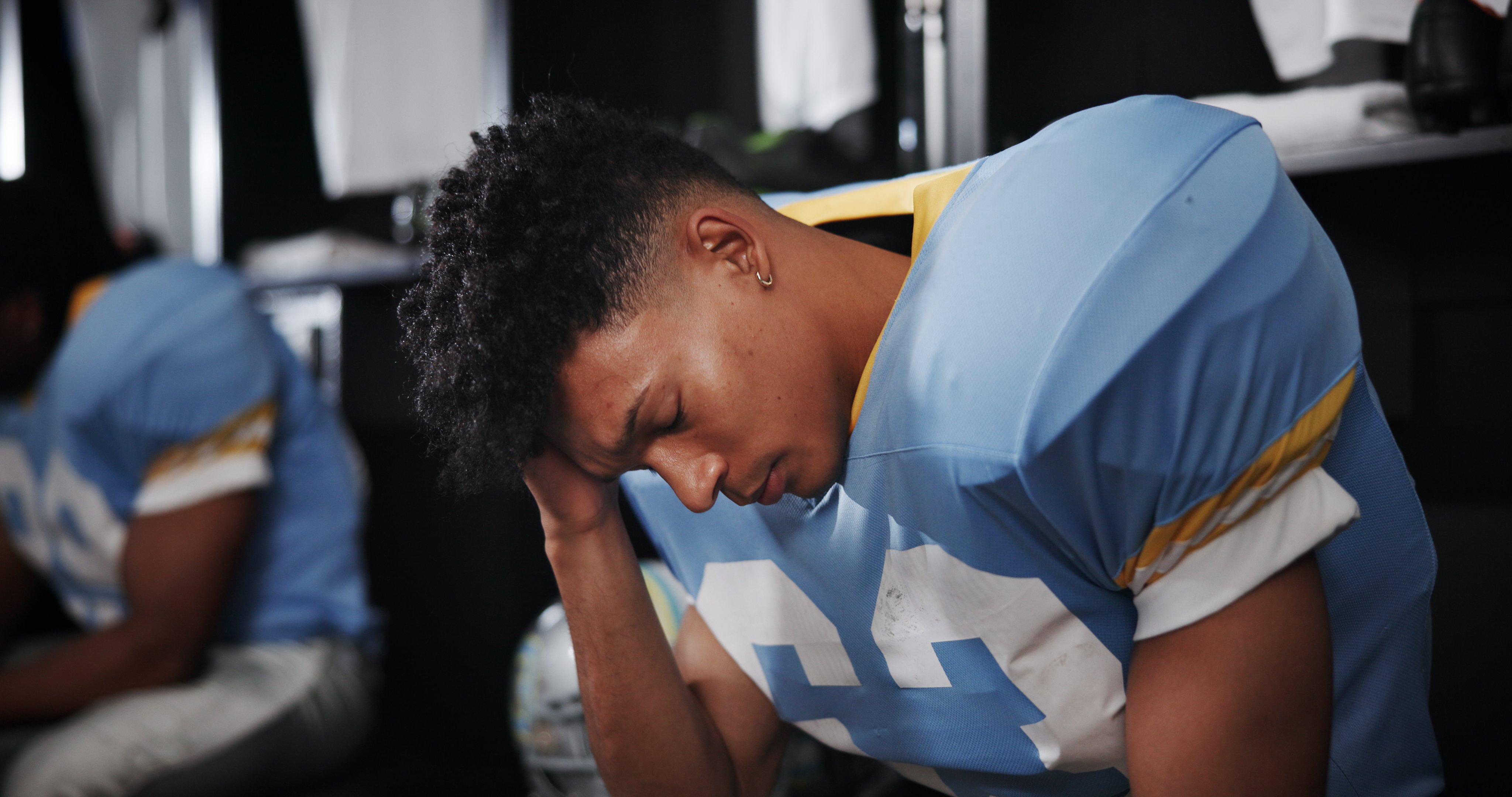
Neurologist Jose Posas, III, MD, remembers watching a young football player throw his helmet and start cussing.
“He was flipping his lid — crying, throwing a fit,” Posas recalls. “He had a huge emotional breakdown.”
The player’s teachers and coaches threatened a behavioral suspension.
But Posas noticed the player was acting completely out of character. “He’s normally a cool, calm, collected kid,” Posas explains. “I said, ‘Let’s check him for concussion.’”
Sure enough, that hunch was right. The player’s unusual character was his only initial sign of concussion.
Concussions aren’t always obvious, and the guidelines for what to do have changed a lot. If you’re a parent, a coach, or a teacher, knowing how to help a child with a concussion is invaluable.
How Common Are Concussions in Youth Sports?
Head injuries are a frequent concern in sports. Most of the time, the concussions happen when athletes collide. So, contact sports, like football and soccer, have a higher rate of concussion.
Overall, it’s an incredibly common injury. It’s estimated that every year there are around 3.8 million sports-related concussions in the United States. And that’s most likely an undercount, since many minor concussions go unreported.
But just because it’s common doesn’t mean it’s without consequence. Everyone can do their part to reduce concussions by making sure athletes understand the risks, safety rules, and making sure everything is being done to keep student athletes safe.
That’s why more coaches are becoming educated in concussion assessment and more parents are diligent about getting care for their child after a concussion.
How Worried Should You Be About Concussions?
While the symptoms of a concussion can be scary, most people start feeling better within a day or two. During that time, getting rest and taking it easy can help speed recovery.
What’s most important is protecting the athlete’s head while it heals. It’s when people take another hit while they already have a concussion that symptoms can become significantly worse.
That may seem obvious. But when you’re a kid whose fantastic playing has taken your team from the semifinals to the finals, it can be tempting to get in the game. Especially in team sports where the absence of a player in a pivotal position can affect the outcome.
That’s why back-to-play and back-to-school plans are so important.
Making a Plan for Recovery
For many kids who have mild concussions, a couple days of rest are all it takes for them to feel as good as new. But for others, symptoms can continue. Sometimes for weeks.
During recovery, it’s important for kids to avoid things that make their symptoms worse. Whether that’s loud noises, running, or reading. But for many kids, this can become a source of anxiety. Not being able to do things they normally enjoy can be scary.
But by helping make a back-to-play plan and back-to-school plan, parents and providers can work with kids to help them see the benchmarks that mean they’re on their way to recovery.
Seeing a Specialist
For sports concussions in particular, being seen by a specialist is an important part of returning to normal activity. At UVA Health, Posas works with a full multidisciplinary team.
“Our athletic trainer will see the patient, and they’ll get evidence-based concussion testing to evaluate if it is safe to return to sport,” Posas shares. Neuropsychologists and Posas help to evaluate cognitive function, including requesting accommodations at school if needed. And sports medicine trained orthopedists can help evaluate other causes of symptoms, like neck and spine injuries.
“They’re complex injuries, and we want people to live well,” Posas says.
When It’s Time to Walk Away
Retiring from a sport is never easy. But having it be from repeated injuries is especially hard. Repeated concussions present enough of a risk that many places have a set limit on the number of concussions a player can have.
Posas recommends a more individualized approach.
But after 3 concussions, it’s a conversation that needs to be had. “I’m willing to work with you, I’m willing to get objective data. I’m willing to try to make sure that you’re playing safely and not harming yourself. Let’s take a look at the overall pattern of what’s going on,” he says, sharing what he tells many of the young adults he sees in the sports concussion clinic.
For each injury and each player the right move forward may be different. What’s most important is making sure the decision to return to play needs to be one informed by evidence and centered on the patient.
Article Topics