How to Swim Safely & Avoid Recreational Water Illnesses
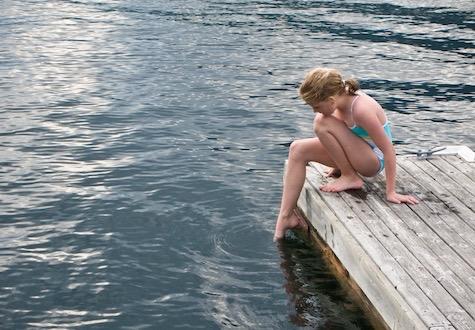
On a hot summer day, there’s no greater escape than your favorite swimming hole. But before you dive in, be aware that there are water safety hazards that could put you and your family at risk for accident, illness or injury.
Swimming Safety
Swimming is a great activity that provides good cardio with low impact. It can also just be a lot of fun and a great way to cool off during the summer.
But drowning, diving accidents, and germs can all turn a peaceful dip into a medical emergency.
Lakes, Rivers & Oceans
Swimming in lakes, rivers, and oceans brings its own sets of challenges. Drowning becomes more likely due to challenges like underwater hazards, boats, and even simply the murky water. Add extreme variability in water depth and you have a dangerous swimming situation.
Because you don’t know the depth, diving or even jumping in isn’t advised.
You’ll also want to survey the area first. That’ll help you identify water that seems overly scummy, oily, or otherwise impacted by environmental risks.
Pools
The biggest issue with pool safety is controlling who goes in. Fences, with locks, are crucial.
But spending a lot of time by your own pool can also lead to too much comfort. Lapsed vigilance is inevitable if you have a large group together (especially if alcohol is involved). Make sure someone is always watching the water.
If you have your own pool, you have control over how it’s maintained and who takes a dip. But in other pools, there’s no guarantee that the water is clean and safe. “It’s possible for bacteria to spread from person to person in the water,” says pediatric infectious disease physician Debbie-Anne Shirley, MBBS.
Make sure any pool you swim in is treated with chlorine.
Staying Healthy
There are germs everywhere, but some of the germs able to live in water are particularly unpleasant. But there are easy steps you can take to help keep yourself healthy.
Don’t drink the water
Goes without saying for adults (hopefully?) but make sure to remind your kids not to drink water from the lake, river, pool, or ocean.
Keep your head up
A lot of these germs need an access point. Like your nose, eyes, or ears. Keeping your head above water in unfamiliar or suspicious water can help eliminate some of the risk.
Count your friends
Friends, family, kids, or whoever you came to the water with. Keep a count and make sure you have eyes on everyone.
Don’t go alone
Swimming alone is a notion that sounds romantic and lovely. But that could result in a drowning. Make sure someone’s with you or go where there’s a lifeguard.
Look around
Many water germs have visible signs, like blue-green algal blooms. Water that’s heavy with sediment or has an oily appearance should also be avoided.
Keep your germs to yourself
If you’ve been struggling with a diarrheal illness, stay out of shared water. A single person with diarrhea can contaminate an entire water park. While this won’t help keep you healthy, it is part of being a good community member.
Types of Water Germs
Recreational water illnesses are caused by germs that are mostly found in the water. Especially in water shared with other people. While this list covers some of the ones you’re not as familiar with, some of the regular stomach bugs like norovirus are also rampant in water parks.
If you have symptoms of these and have been in a location where exposure was possible, get in touch with your primary care provider for next steps.
Cryptosporidium
This single celled parasite is the leading cause of water-recreation related diarrhea. It's also one of the most common internal parasites in the United States. More recently it's made waves as a food-borne parasite. And it’s extremely hardy, able to withstand chlorine.
To avoid getting this little bug, don’t swallow the water you swim in. Whether that’s a pool, lake, or hot tub.
After your symptoms clear, you’ll need to wait 2 weeks before swimming again.
Giardia
Like cryptosporidium, this parasite causes diarrhea. And it takes about 45 minutes for it to die when exposed to chlorine.
Aeromonas
Aeromonas is a bacteria found in fresh water (ponds, lakes, or rivers). This antibiotic-resistant bacteria is normally repelled by your skin. But if you enter the water with a deep cut, it may be able to reach areas that aren’t able to fend it off.
Naegleria
Known as the brain-eating amoeba, you’ll only find this in the soil around warmer waters. But if water gets into your nose while diving, it could travel to the brain. “This causes primary amoebic meningitis, which is rapidly fatal and there is no treatment,” says Shirley. “Keep in mind there are less than five to 10 cases of this every year. But if you are swimming in a warm lake, you may not want to stir up the sediment or submerge your head. Or consider wearing a nose clip or holding your nose.”
Legionellosis
Legionnaires disease is a serious infection. It can cause life-threatening pneumonia. This bacteria can be found in streams, ponds, or fountains. But it’s favored home is hot tubs and spas.
A lesser version of this, Pontiac Fever, is significantly more common. But because it’s not mandated to report, we have no idea what the exact country-wide numbers are. Caused by the same bacteria, it includes all the symptoms (fever, body aches, headache, etc) as Legionnaires, but it stops just short of pneumonia.
Cyanobacteria
When you hear people talking about harmful algal blooms, it’s likely they’re talking about this blue-green algae. In humans, it can cause cramps, vomiting, sore throat, and even liver damage. In dogs, it can be fatal.
Pseudomonas dermatitis
This is called hot tub rash, but any warm water can cause it. By removing your swimsuit and showering (with soap) after swimming, you can usually avoid this uncomfortable and unwelcome illness.
Water Safety Matters, So Does Enjoying the Water
When you follow some basic safety tips, you can hopefully enjoy the water more. Whether you’re boating, rafting, swimming, or just dipping your feet in at the shore, there’s a lot of fun to be at by the water.
While all of these concerns are valid and you should be aware of them, most of the time people playing in the water emerge recreational water illness free. But if you suspect one, early treatment can help avoid severe outcomes. Contact your primary care provider and share any potential exposures.
Subscribe to Healthy Balance
Get timely health and wellness tips from UVA Health experts. Plus, stories that will move you.
Article Topics
Related Articles