Drowning Facts
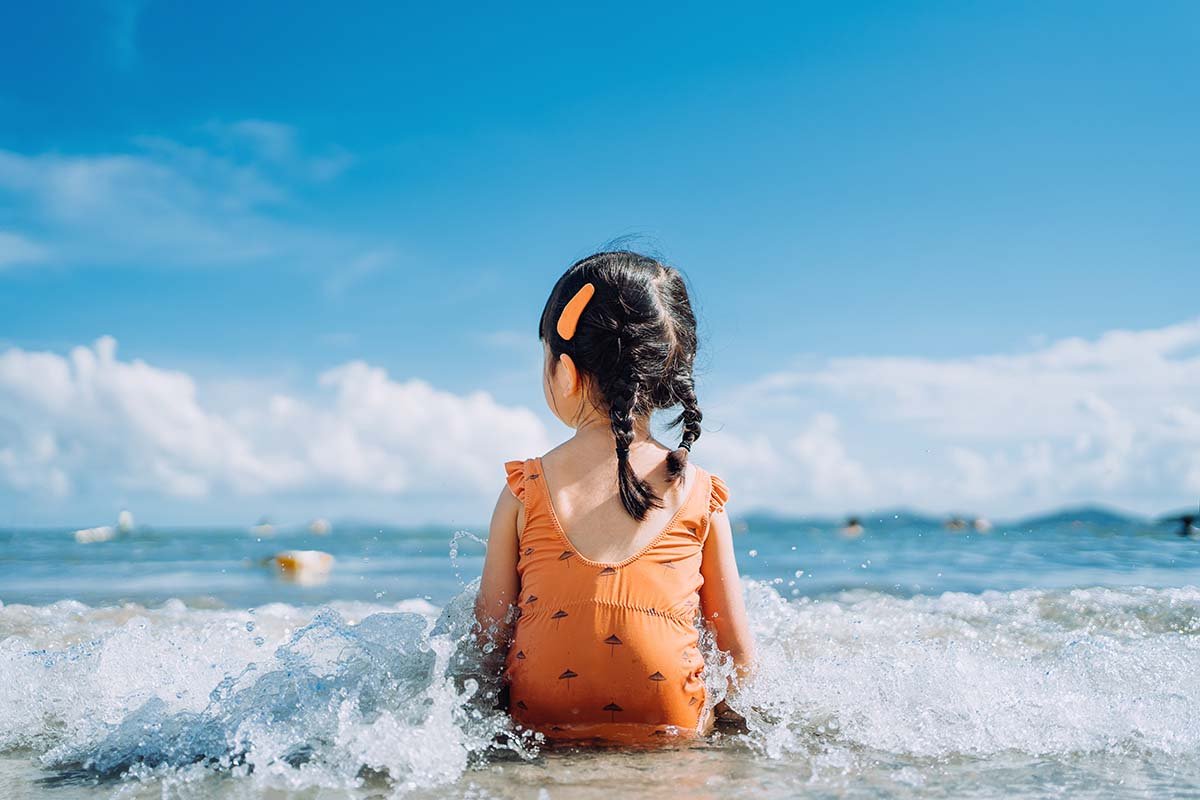
The greatest risk any time you’re near the water is drowning. This is especially true for children.
Drowning is the leading cause of accidental death for children under 4, and the second leading cause for children from 5-14. “With adequate supervision, swimming instruction and public education measures, it is estimated that 85 percent of drownings can be prevented,” says Chris Holstege, MD, who specializes in emergency medicine and pediatrics.
What Is Drowning?
Drowning describes any time you can’t breathe due to water inhalation. Nonfatal drownings happen at a rate twice as high as the rate of fatal drownings.
Some nonfatal drownings have no injuries. But others result in permanent disability.
Stages of Drowning
Drowning doesn’t usually happen all at once. Instead, it happens in 6 stages.
- Struggle at the surface of the water
- Going Underwater
- Breathing in Water
- Losing consciousness
- Cardio-respiratory arrest
- Death
You may think with 6 stages, there should be enough time for someone to intervene. But these can all happen in less than 5 minutes.
How To Recognize Drowning
Contrary to what many people expect, drowning is usually silent.
A drowning person will:
- Be upright in the water
- Mouth is right at or slightly above water level
- Silent, not yelling or splashing
- Moving arms like they’re paddling
If you ask them if they’re okay, they’ll likely just stare at you blankly. That’s because they’re stuck in survival mode.
Preventing Drowning
The National Drowning Prevention Alliance has 5 layers of protection they recommend to help prevent drowning.
Barriers & Alarms
Fences, gates, and other barriers, preferably with alarms to tell you when someone has attempted to get in, let families know if a child has tried to get into the pool.
Supervision
Swimming near a lifeguard is always recommended. If that’s not an option, designating an official water watcher is an important step. This person should be rotated every 15 minutes.
Water Competency
Swim lessons reduce the risk of drowning, but no one is ever “drown-proof.” Fran Crippen, an Olympic level swimmer, drowned during a competition.
But water competency is another layer of protection.
Life Jackets
Life jackets can’t help teach a child to swim, and not all life jackets are the same in terms of safety. But if you’re boating or playing around natural bodies of water, a US Coast Guard life jacket offers an extra layer of protection. It’s encouraged to think of it like that, an extra layer. Not a substitute for active supervision or learning how to swim.
Emergency Preparation
Even with all the layers of protection in place, emergencies happen. So the final layer is knowing how to respond when there is an emergency. Knowing CPR, having rescue equipment handy, and always checking water features first if a child is missing buy valuable additional time.
Water Safety in Oceans, Lakes, and Rivers
Natural bodies of water bring additional challenges, and they aren’t the best place for swimmers just starting out. These settings aren’t just more dangerous for kids. The CDC notes that more than half of fatal and nonfatal drownings in people over the age of 15 happened in natural water settings.
What makes natural water more dangerous?
Variability
Part of a river that is normally shallow might be running overly full. Currents speeds are also constantly shifting.
In oceans, riptides, dissolving sand dunes, and abrupt depth changes can throw off swimmers.
Other Water Sports
Rafts, docks, and boats all can be hazards. While you’re unlikely to encounter these things in a pool, they also use the rivers, lakes, and oceans that you enjoy swimming in.
Hidden Dangers
Murky waters can hide hazards. Underwater rocks and branches can snag on swimmers clothing, creating added challenges.
Cold Water Shock
When water is extremely cold it changes how you breathe. For some, it can even cause reflexive swallowing of water. It also makes it harder to move. These make drowning more likely.
Choose Bright Swimsuits
In a pool, colors like black are highly visible. In a lake, it becomes one of the hardest colors to spot. When picking swimsuits, think about where you’ll be swimming and look for options that help improve visibility.
Some options that work in a pool or lake? Hot pink and orange work for either.
Enjoying Swimming & Staying Safe
Swimming is one of the best activities out there for your overall health and wellbeing. A low impact exercise that can help take the edge off a very hot day, swimming can be exhilarating and relaxing based on what you need.
By staying alert, supervising children closely, learning basic water safety skills, and preparing for emergencies, you can help make every day around the water a safer one.
Subscribe to Healthy Balance
Get timely health and wellness tips from UVA Health experts. Plus, stories that will move you.
Article Topics