How to Know When Your Child Has a Concussion
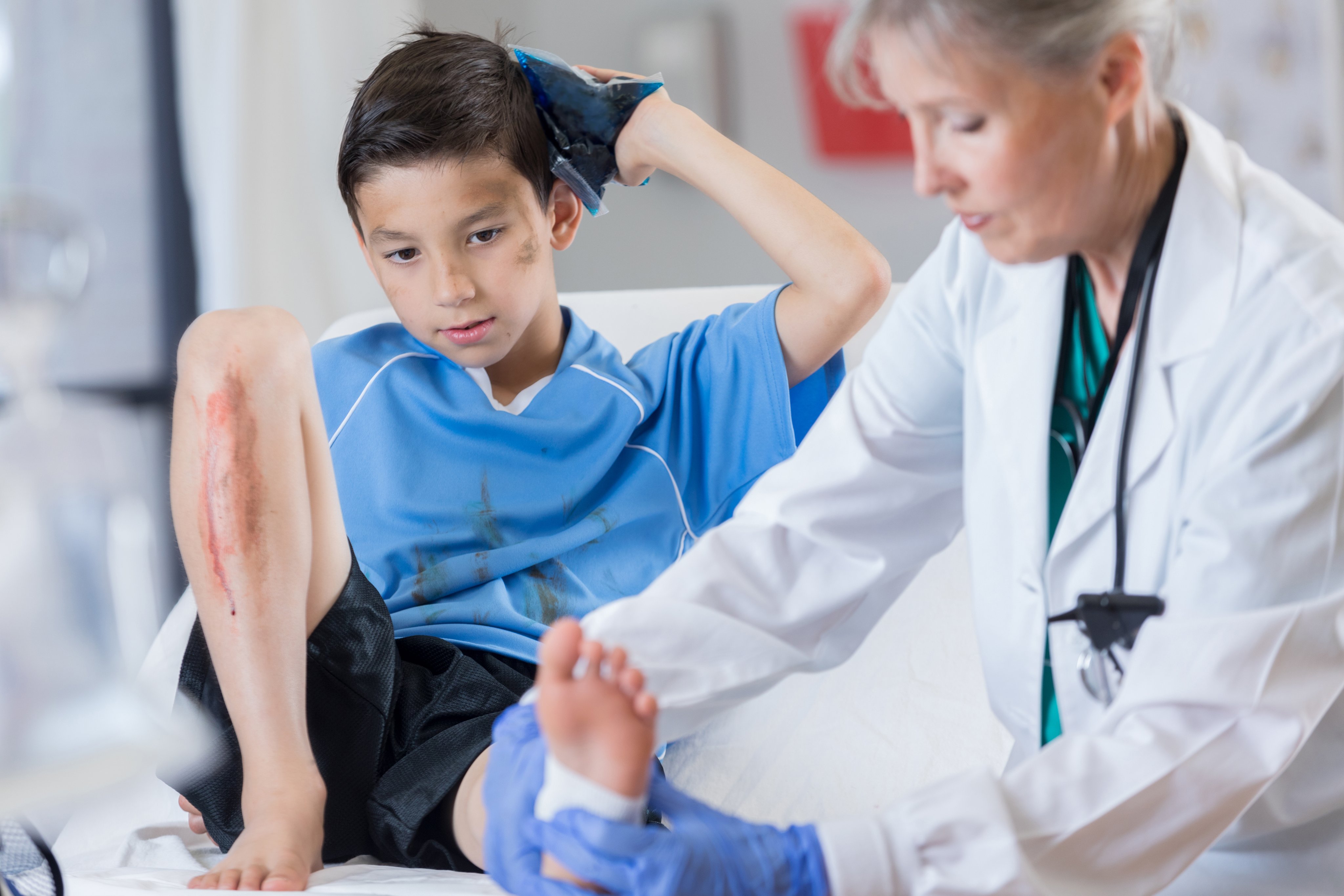
Most people will have a concussion in their life. Whether it’s from a bad fall, a sports injury, or a car accident, mild concussions are one of those painful injuries we can all relate to. But when it’s your child, especially a toddler or baby, who has hit their head, you want to help them feel better as quickly as possible and get the care they need to recover.
Fortunately, according to pediatric neurologist Kristin Heinan, MD, almost all children recover from concussions shortly after they occur. She shares more about how we can know if your child has a concussion, how you can help them recover, and when you need a specialist.
Does Your Child Have a Concussion?
Immediately after your child hits their head, you need to watch for red flag symptoms and determine whether or not to take them to the emergency department. But most of the time, emergency care isn’t needed for a mild concussion and most concussions are mild.
But if your child was hit in the head and seems ‘off’ afterwards, you should make an appointment with a healthcare provider. This doesn’t need to be a neurologist or other specialist. And sometimes it doesn’t even need to be in person.
Virtual care visits have become incredibly popular for mild concussion diagnosis. That’s because most of the time it can be diagnosed based on symptoms, and treatment is non-invasive and focused on addressing symptoms and making recovery faster.
Can Your Child Get Back to Sports?
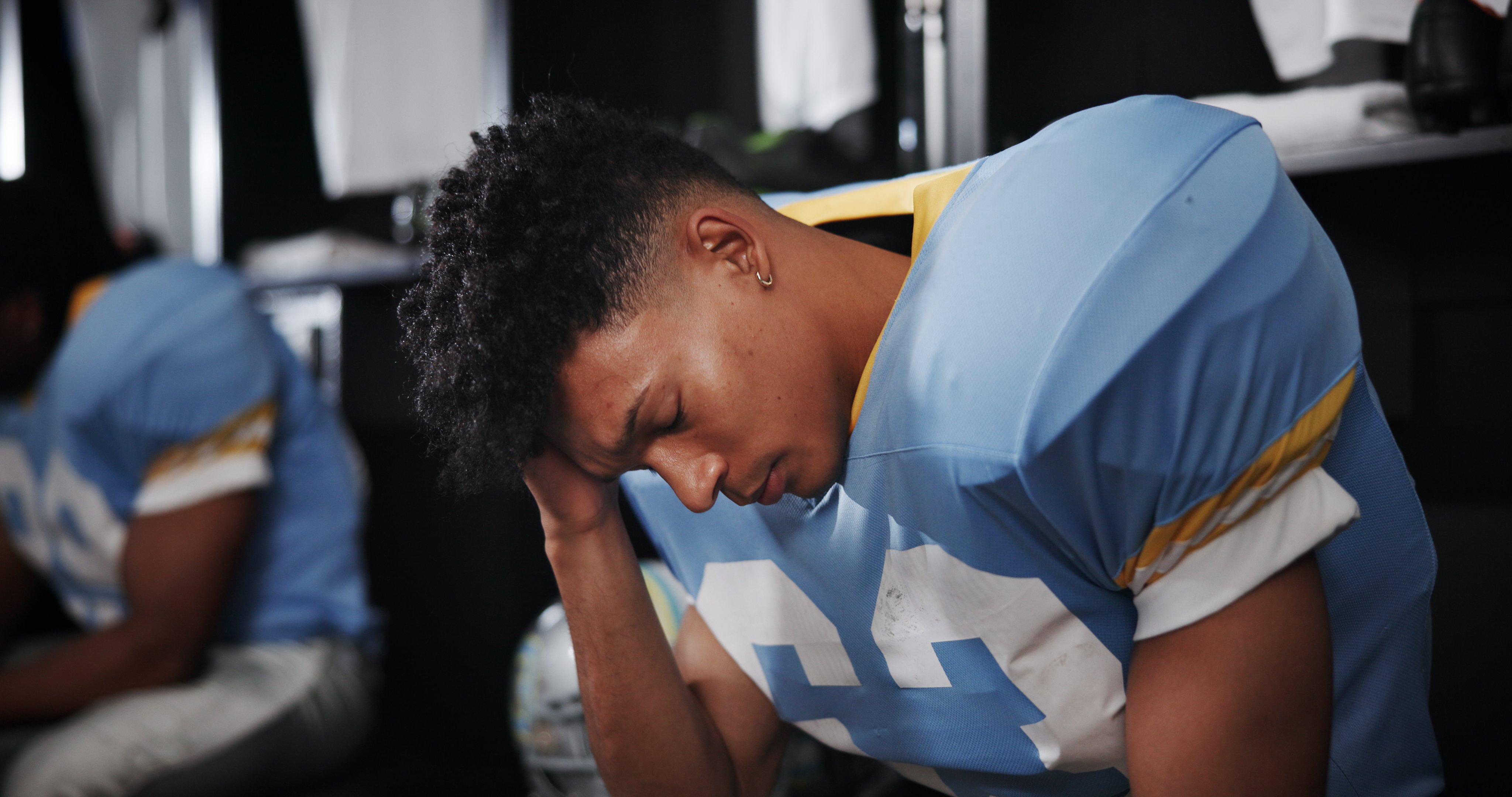
One of the most frequent ways children get mild concussions is through sports injuries. This can make the injury more challenging for a few reasons.
“Adrenaline can keep kids from realizing that they’re hurt,” Heinan explains. This can make it seem like the symptoms of a concussion are getting worse. It can also keep them in the game for longer than they should be.
“It can be hard for these kids to stop playing,” Heinan says. Many of the student athletes who get concussions take both parts of that role very seriously, making any time away from their sport or schoolwork challenging.
“Return to play plans are important,” she agrees. Not just to give your child’s brain a chance to heal, but also as a reassurance that the plan is to get them back in the game. But to do so safely.
Most of the Time Concussion Diagnosis Doesn’t Require Imaging
You want your child to get the best possible care. And for many people, the words “concussion” and “CT scan” feel married. But more than 95% of concussions have CT scans that look completely normal.
Concussions are a functional brain injury. This means it’s like getting an x-ray for a bad bruise. You know the bruise is there, you can feel it. But if there’s no reason to suspect a break, it doesn’t make sense to get an x-ray. It won’t tell you anything about the bruise you don’t already know.
CT scans are used to rule out more dangerous brain injuries. But many times, doctors can rule those out with standard tests.
While CT scans are very safe, like x-rays, they do still expose your body to radiation, and that’s always best avoided if possible.
Don’t Go Overboard with Rest
When it comes to post-head-injury care, many parents operate in one of two extremes. There’s the “grin and bear it” crowd and the “don’t do anything until you’re 100% better” one.
But the reality, according to Heinan, has been demonstrated to be somewhere in the middle. “Keeping these kids from doing the things they enjoy isn’t going to help them recover, and may even slow recovery,” she says.
Instead, the best process is to listen to their bodies and let that guide their return to full activities.
Recovery from Concussion
So what does recovering from a concussion look like? Well, that’s going to be a little bit different for each person.
“If loud noises or bright lights make you feel worse, then yes, avoid them,” Heinan says. “But there’s no reason to take your child’s phone away or keep them from reading or sleeping.”
Instead, they may need shorter cycles with each of these things. If reading for 10 minutes starts to give them a headache, then it may be time to get up for a walk.
Managing Pain
For pain, over the counter headache medications are fine. They do suggest you use acetaminophen (Tylenol) at first to reduce the risk of bleeding. But after that, it’s fine to use your child’s preferred method of over-the-counter pain reliever.
But Heinan cautions not to become over reliant. “Some people try to stay ahead of the pain, and with these medicines that can make them less effective.”
That means taking progressively larger doses with less effect. And weaning off once your body is adjusted can cause rebound headaches, leading some to believe the concussion is still affecting them.
Instead, Heinan suggests a proactive preventative approach to pain management. Avoid the things that cause the worst pain. Dimming lights and keeping volumes lower for a week can be enough to feel better. And most digital screens have settings to allow you to increase your font, meaning less straining while reading. These can reduce the need for over the counter pain meds and reduce pain at the same time.
Long-Term Concussion Symptoms
For more than 90% of people with a concussion after 4 weeks their body will have returned to normal. But that can make it especially scary when it feels like you’re still going through symptoms.
What was once called ‘post-concussion syndrome’ has been renamed “post-concussion symptoms.” These are some of the patients seen at UVA Health Children’s neurology department. But most of them don’t have a brain injury.
Muscle tension, whiplash, anxiety, and stress are things that often walk hand-in-hand with a concussion. And these things can be made worse during the healing process, leading to an longer time with symptoms.
“We dig into why and try to figure out what’s making these symptoms persist,” Heinan explains. With the help of neuropsychology, outpatient therapies, and imaging as needed, they’re able to figure out underlying causes and develop plans with families.
Healing Unique Brains
Just like every person’s brain functions a little differently, their recovery is equally individualized. While most people are ready to return to the field instantly, others need the full time stretch to recover. And while some need additional rest, others need to keep their brains engaged with puzzles and connection with friends.
While head injuries should always be approached with a great deal of caution, families have every reason to be optimistic that their child’s recovery will be smooth.
Article Topics