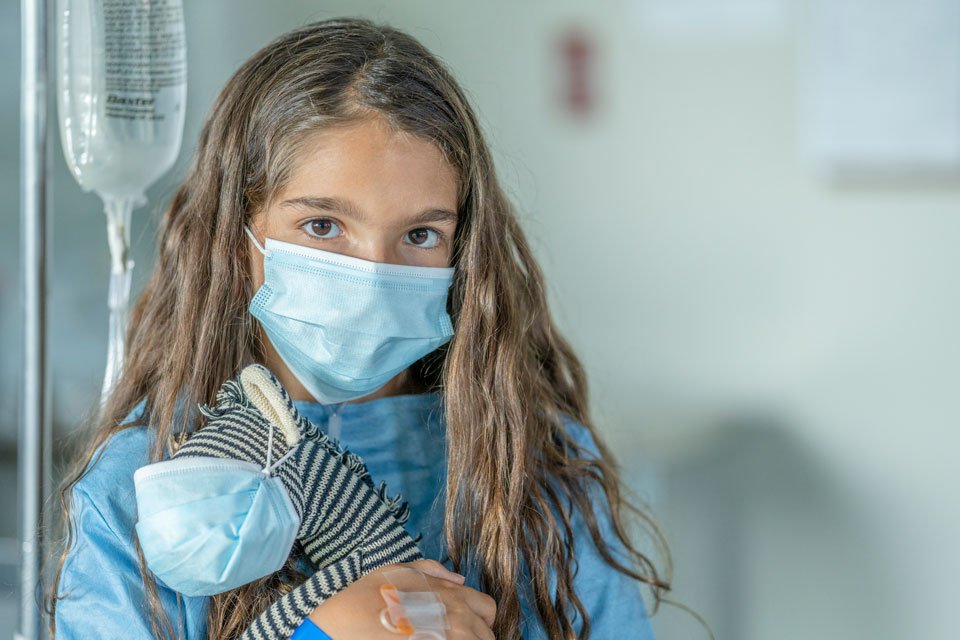
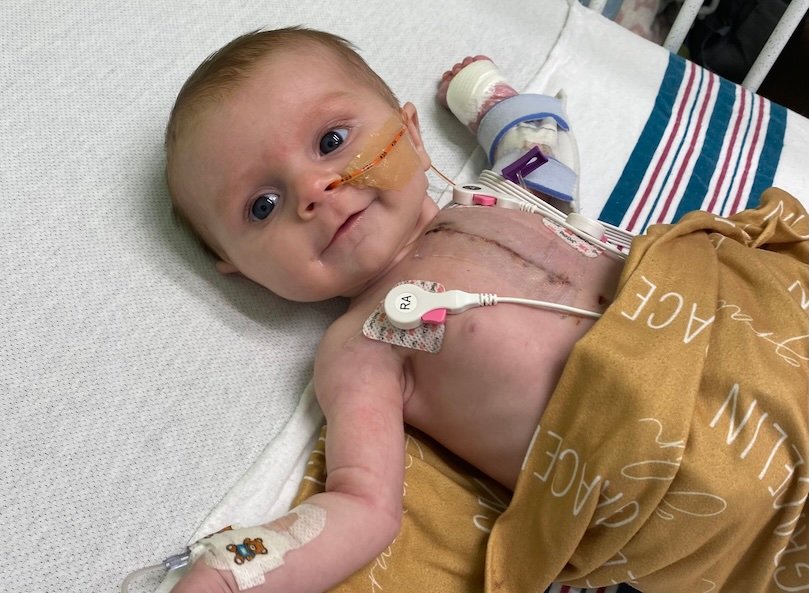
Pediatric Urology: Where Technical Precision & Vulnerability Collide
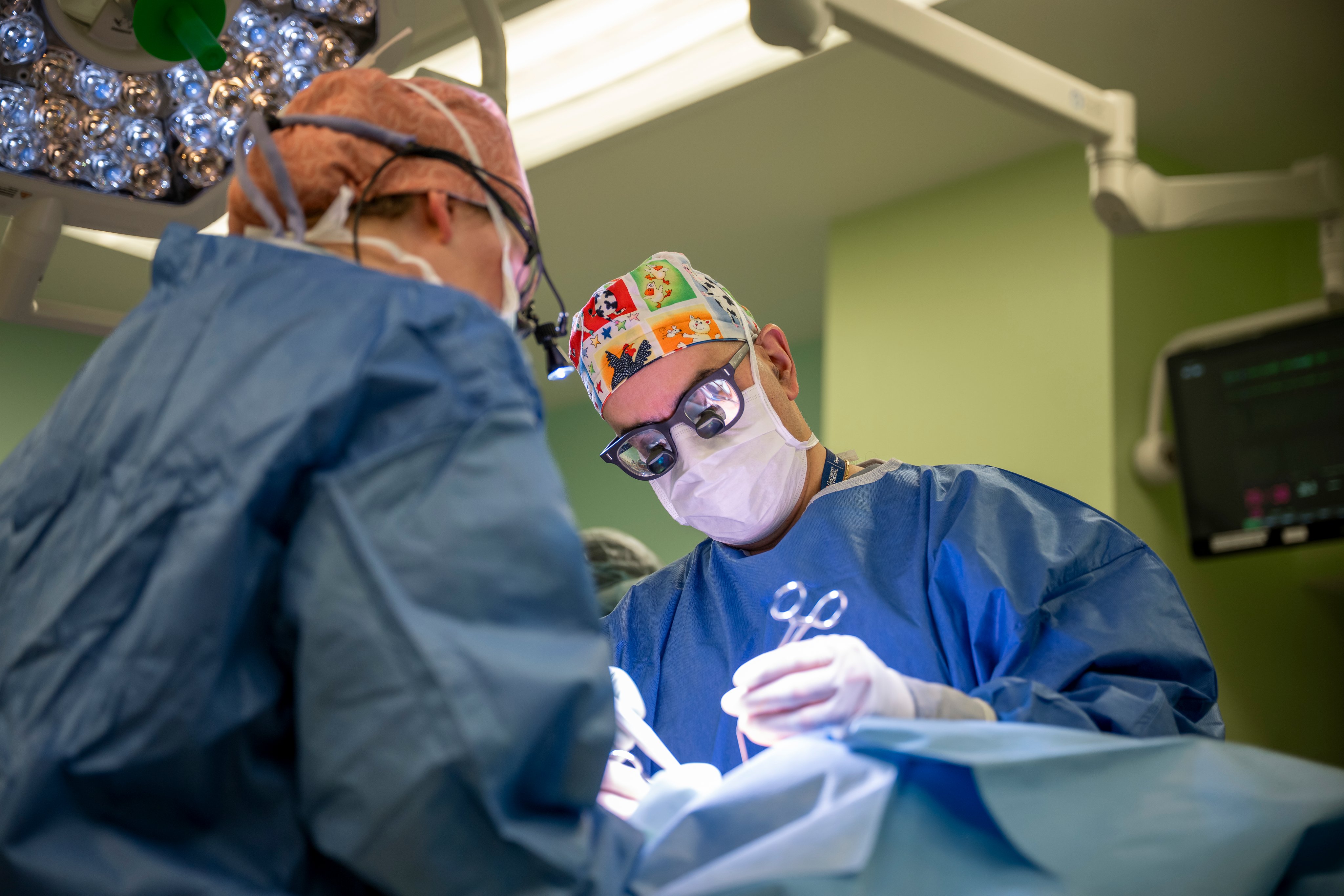
Pediatric urology has long been at the forefront of minimally invasive innovation, and UVA Health Children’s is nationally recognized for its leadership in robotic and advanced surgical techniques. Here, families can access the benefits of cutting-edge technology grounded in thoughtful patient selection and long-term care.
“Urology is a field that really embraces innovation. We like gadgets,” Vijaya Vemulakonda, MD, JD, pediatric urology chief, says. “But technology is only valuable if it improves outcomes for children and families.”
Knowing When to Watch-and-Wait
Of course, the treatment option with the least pain, least scarring, and fastest recovery time is often watching and waiting. But watching-and-waiting requires expertise and the family's trust.
All surgical decisions are individualized, taking into account the anatomy, age, kidney function, and family priorities. Even though a procedure is minimally invasive, it doesn’t mean that it should be embarked on indiscriminately.
Equally important is the emotional experience. Surgical teams prioritize preparation, communication, and follow-up, recognizing that for parents, even minimally invasive surgery is still surgery on their child.
Families benefit from careful counseling about why surgery is recommended—or why observation may be safer. For referring providers, this means confidence that technology enhances care rather than driving it.
“Because kidney function continues to mature over the first two years of life, we’re often making decisions before we know what the kidneys will ultimately do,” she explains.
Getting Kids Back to Being Kids, Sooner
Robotic surgery is most commonly used for children with ureteropelvic junction obstruction, vesicoureteral reflux, complex reconstructive needs, and selected bladder or kidney procedures. These approaches allow for smaller incisions, less postoperative pain, and shorter hospital stays.
During a period of significant developmental growth, these benefits cannot be overstated. While for an adult the difference between 1 week and 2 isn’t a pivotal one, for an infant, it’s huge. An extra week in a hospital, even one with a PICU, has greater repercussions versus being at home with their family.
Creating Trust
When innovation and restraint coexist, it’s easier for families and referring providers to trust that each child is being cared for as an individual. By making sure families have access to care at the right time, outcomes improve for all.
UVA Health Children’s robotic pediatric urology program offers referring clinicians a trusted destination where innovation and restraint coexist—ensuring children receive the right operation at the right time, supported by a team that values both technical excellence and family trust.
Get the Healthy Practice Newsletter
Research-driven insights and specialty guidance for clinicians — delivered straight to your inbox.
Article Topics