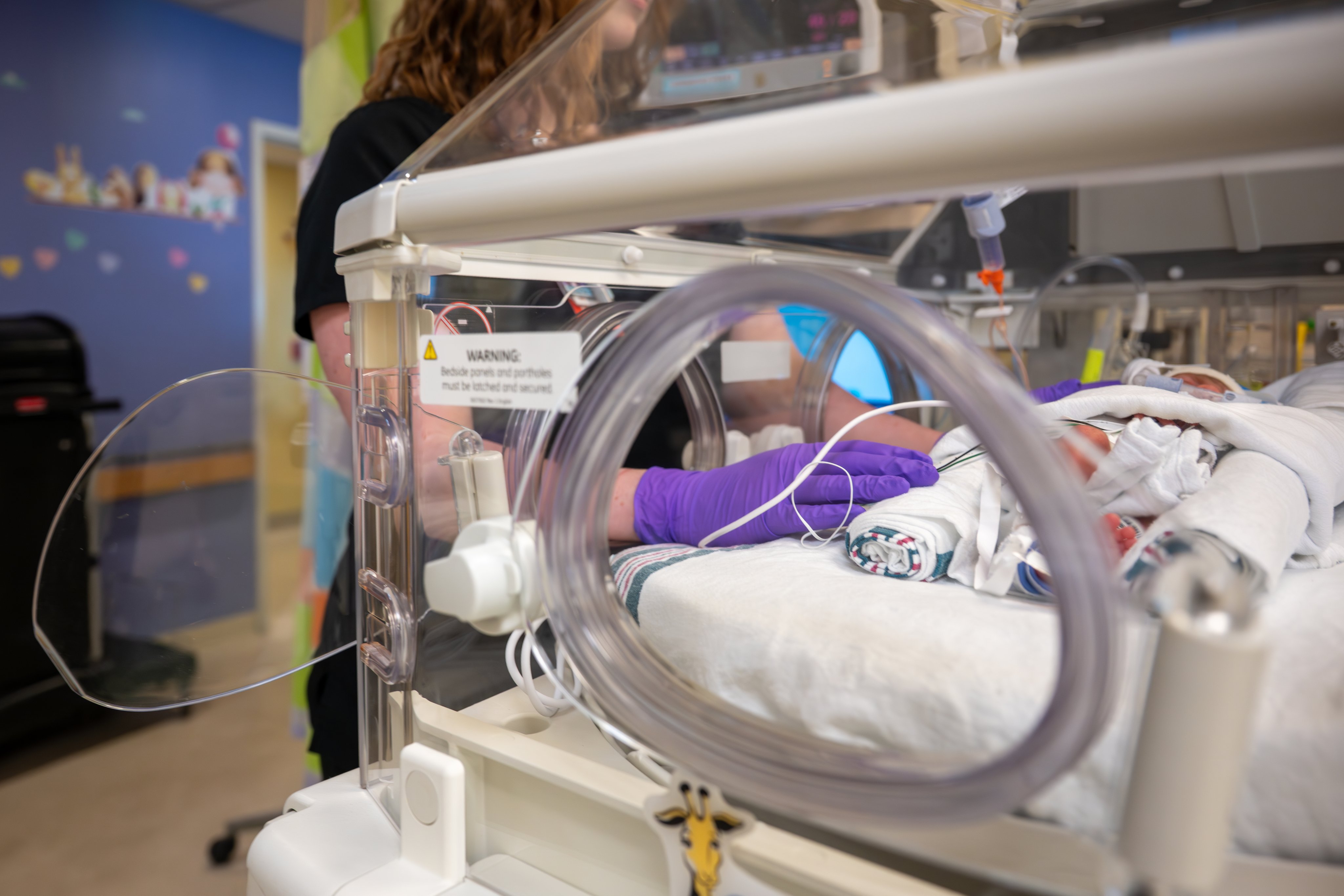
Comprehensive Care for Pediatric Liver & Kidney Transplantation
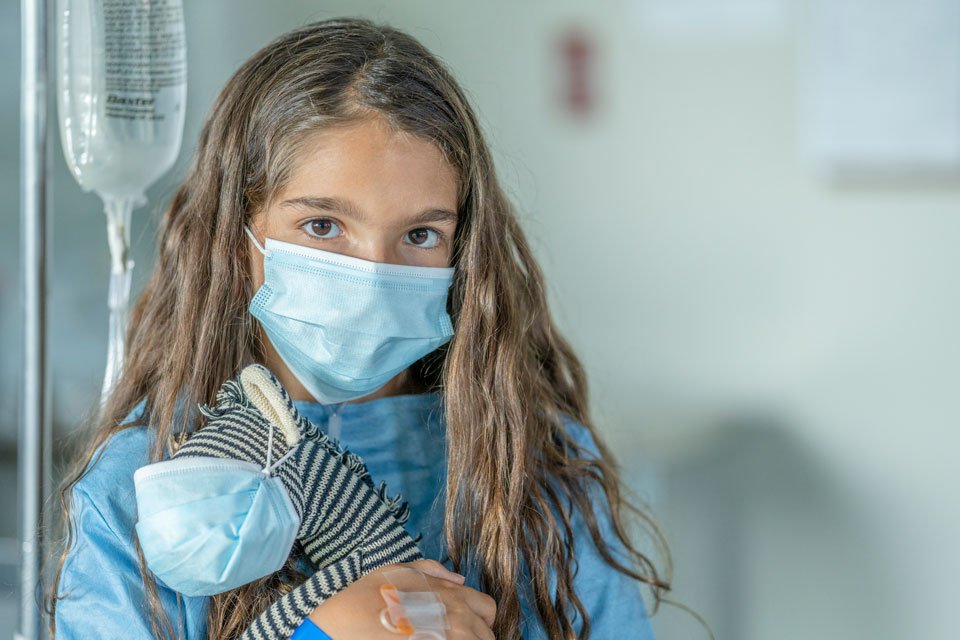
Kids are rarely good at waiting. This is especially true when they’re waiting for a lifesaving kidney or liver transplant. In addition to the concerns that all patients on the waitlist have, for children, the waiting period represents compounding cognitive and growth delays.
Living donor programs help match patients more quickly, reducing time spent on the waitlist. But living donors also result in better outcomes, due to being able to schedule the procedure to ensure optimal timing and not having to transport the organ.
UVA Health Children’s living donor program has helped many children during their transplant journey. Our program integrates surgical excellence with robust psychosocial and educational support, ensuring patients and families receive thoughtful guidance before, during, and after transplant.
Why Is Living Donation So Important?
When a healthy individual donates a kidney or part of their liver, they’re not just providing a lifesaving organ. They’re also helping a child have a smoother transplantation journey. With a scheduled procedure, the patient is less stressed, and the outcomes are better.
As part of our program, we help patients with outreach to find a living donor. Many of our patients have received transplants from donors who heard their story and recognized their ability to help. When donors come to us, we help screen them and prepare them for their journey.
It’s important to recognize that living donation is considered for eligible recipients whenever possible — not only to shorten time on the waitlist but also to optimize outcomes and quality of life for children facing chronic organ failure.
Paired Donor Exchange
Sometimes, a patient has someone in their life who would like to donate a kidney to them. But they’re incompatible. Through our paired donor exchange program, the transplant team can help match them with another pair.
Paired donor exchange is one tool we use to help broaden donor options and reduce wait times.
Living Liver Donation & Pediatric Liver Transplantation
UVA Health Children’s is the only center in the Commonwealth with a pediatric living donor liver program. This addresses critical needs for young patients with advanced liver disease such as biliary atresia, metabolic disorders, and acute liver failure.
Living liver donation — where a portion of a liver is transplanted from a healthy adult to a child — is particularly beneficial in the pediatric population because liver tissue regenerates, and transplants can occur sooner than waiting for a deceased donor. For referring providers, early engagement with the transplant team is essential when considering living donation as part of a child’s treatment plan.
Comprehensive Support Before and After Transplant
UVA Health’s pediatric transplant program emphasizes family-centered care that extends far beyond surgical intervention. Recognizing the emotional, logistical, and educational challenges transplant families face, the program incorporates a multi-layered support structure.
1. Psychological Support & Clinical Social Work
Transplant evaluation and post-transplant care include dedicated social workers and psychological services as integral parts of the care team. These professionals:
- Assess emotional readiness of potential donors and recipients.
- Provide counseling to support families coping with chronic illness and transplant decisions.
- Help navigate stress, anxiety, and behavioral challenges that may arise throughout the transplant process.
- Facilitate connections to community resources and support groups.
Clinical social workers also assist with practical challenges, including transportation, lodging, financial counseling, and coordination of multi-disciplinary appointments, aiming to reduce barriers to care and support family resilience.
2. Child Life & Hospital Education Services
The Child Life team plays a key role in helping pediatric patients and their siblings understand medical procedures and cope with hospitalization. Child life specialists use age-appropriate communication, play therapy, and coping techniques to:
- Prepare children for surgeries, tests, and hospital routines.
- Teach stress-management strategies tailored to developmental needs.
- Support adherence to medication and regimen through educational play and engagement.
- Help siblings and peers understand the transplant process in ways that reduce fear and confusion.
These specialists work closely with nurses, pharmacists, and educators, ensuring that children’s emotional and educational needs are addressed throughout the transplant trajectory.
3. Structured Pre- and Post-Transplant Education
From initial evaluation through long-term follow-up, UVA Health Children’s offers structured transplant education for families. This includes learning about:
- The transplant surgery itself.
- Anticipated recovery timelines for donors and recipients.
- Long-term medication management and monitoring.
- Signs of rejection or complications.
Education is reinforced at multiple touchpoints to empower families, improve adherence, and support positive outcomes.
Referral Pathways and Coordination with Local Providers
Early referral ensures families receive timely education about living donation and full consideration of all transplant options, including paired exchange or direct living donor transplantation.
Providers play a critical role in initiating these conversations, identifying potential donor support networks, and preparing families for comprehensive evaluation. Engaging with the UVA Health Children’s team early helps streamline care, align expectations, and reduce barriers across the transplant journey.
Article Topics