Advanced Pediatric Liver Disease & Transplant Care
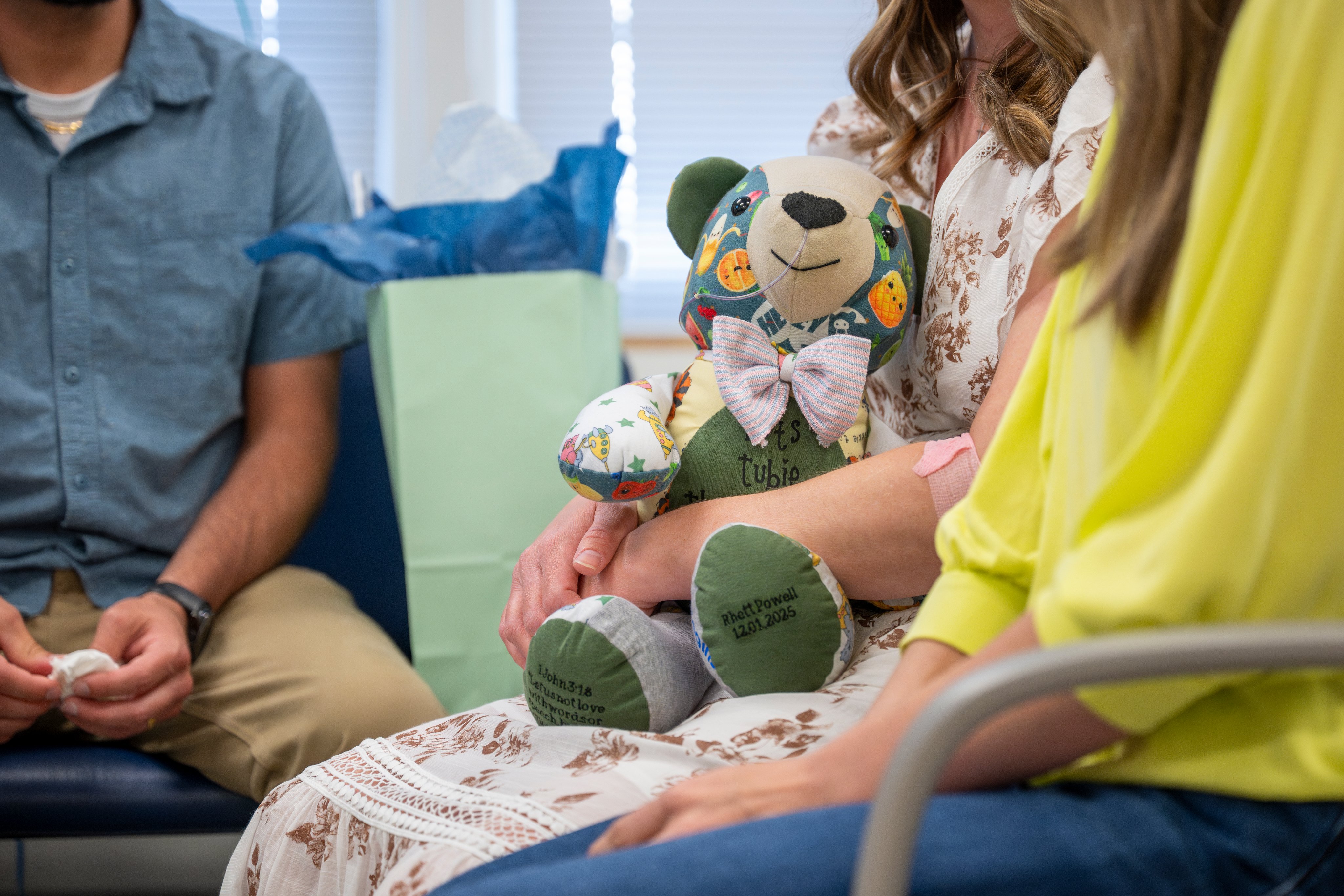
On April 28, Jenna Powell met the woman who saved her son’s life almost five months earlier.
Jenna’s son, Rhett, was diagnosed with Alagille syndrome at 2 months old. The disease caused severe liver damage, jaundice, and failure to thrive. Physicians had told the family that Rhett would need a liver transplant within a year.
Jenna shared her son’s story on Facebook, where it was picked up by a Richmond reporter and spread to a wider audience. Ultimately, more than 130 people contacted UVA Health’s Transplant Center and offered to help. Courtney Jones, a mom with a child just a little older than Rhett, was one of them. And she was a perfect match. When the call came, she cried. Not because she was scared, but because she was thankful that this family’s wait was over.
It’s a story with a beautiful ending. And it’s one of 18 such stories that UVA Health Children’s has been a part of since 2022.
Walking Alongside Patients, Beginning to End
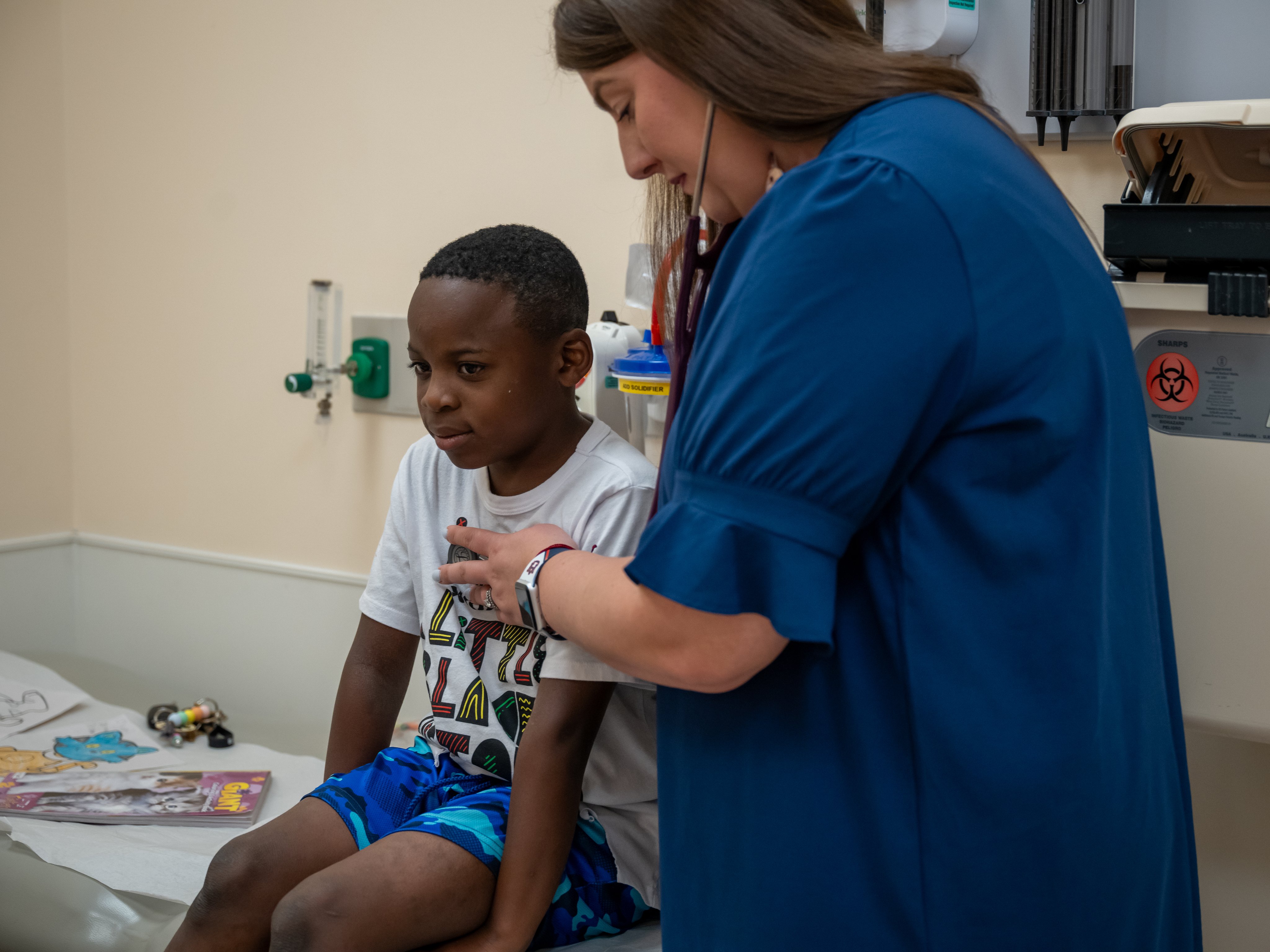
UVA Health Children’s pediatric liver transplant medical director Frank DiPaola, MD, has been instrumental in growing the living liver donor program. As a pediatric hepatologist, he’s often the first liver specialist families encounter.
DiPaola has walked alongside each of these patients. “There's a lot of stress and anxiety that goes into approaching liver transplantation. We get to walk with families and their children through that entire process and then stay with them for years and years. There’s a closeness and a bond there that forms that I really love.”
For referring physicians, this level of wraparound support can significantly ease the burden on families navigating the stress of chronic pediatric illness and transplantation.
The Advantages of Living Donor Liver Transplantation
In more than 60% of our pediatric liver transplant cases, patients were able to receive grafts from living donors. Living donor liver transplantation has become increasingly important in pediatric care because it reduces wait times, improves outcomes, and allows transplantation before children become critically ill.
“The donor evaluation process includes a thorough medical, surgical and psychosocial assessment. In addition to meeting with multiple living donor team members, each donor undergoes multiple laboratory and radiology studies to ensure the appropriateness and safety to be a donor,” says Anita Sites, MSN, RN, Living Donor, Transplant Surgery and Pediatric Transplant Program Manager.
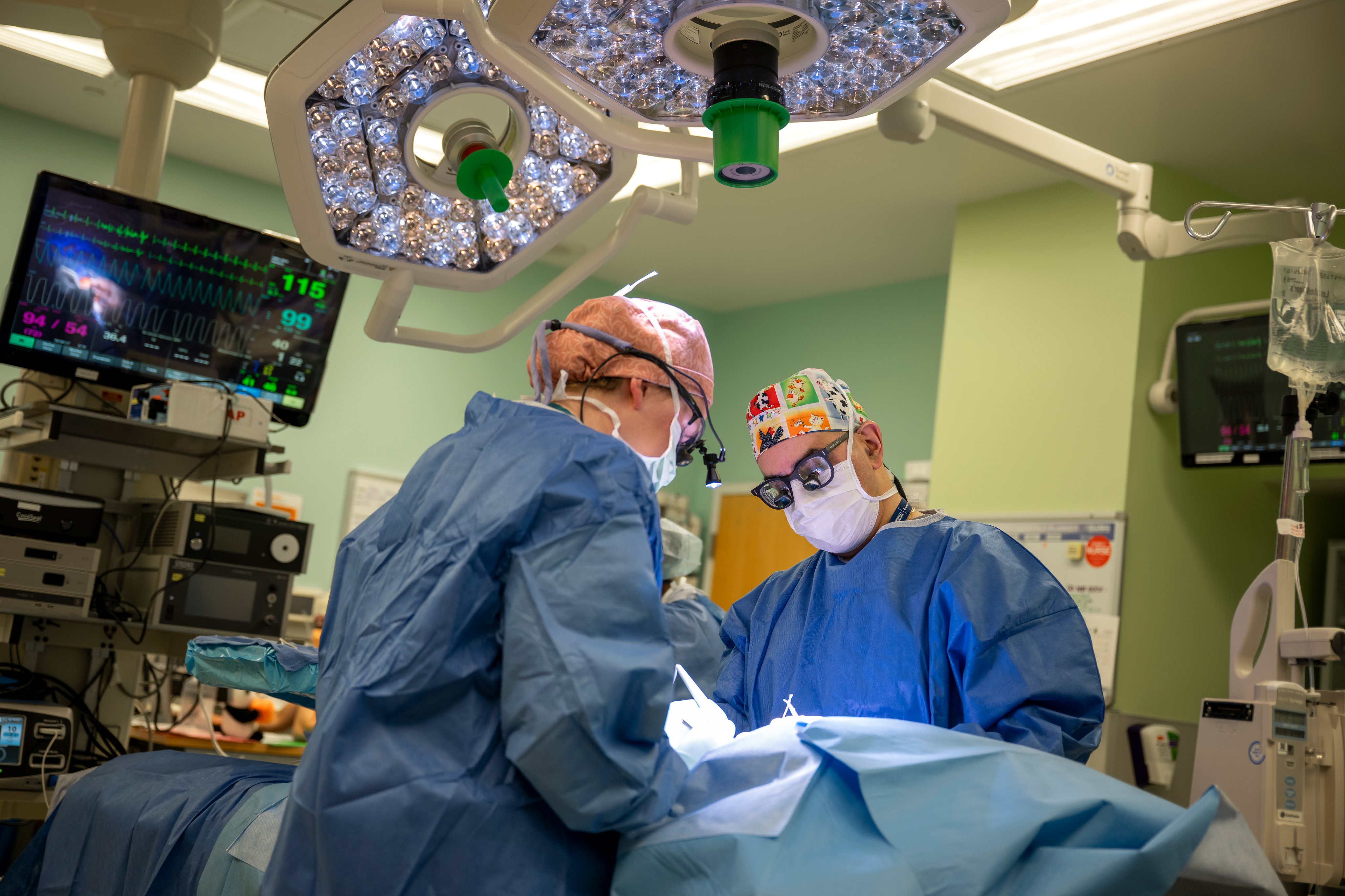
The technical complexity is significant. “For every pairing, we need a perfect match, not only for blood type compatibility, but also a size match between the vascular and biliary structures, as well as the graft itself — not too big, not too small,” adds Juan Francisco Guerra, MD, Surgical Director of Liver Transplant and Living Donor Liver Transplant. “The liver has to be divided, and both sides need to work perfectly: one side for the recipient and the other portion remaining in the donor.”
Strong Outcomes & Regional Access
As pediatric liver disease progresses, delays in specialty evaluation can limit treatment options and increase complications. Referral to a high-volume, multidisciplinary transplant center allows children to benefit from earlier intervention, nutritional optimization, transplant readiness planning, and access to living donor opportunities.
UVA Health Children’s pediatric transplant program combines:
- Advanced pediatric hepatology and transplant surgery expertise
- Living donor liver transplantation capabilities
- Comprehensive donor evaluation and advocacy
- Multidisciplinary perioperative care
- Long-term post-transplant follow-up
- Family-centered psychosocial support
UVA Health Children's pediatric liver transplant outcomes are among the best in the nation, and for children across the commonwealth it's important to have access to such a high-quality program.
These highly specialized capabilities position UVA Health Children’s as a critical referral destination for providers managing children with end-stage liver disease, biliary atresia, metabolic disorders, genetic syndromes, and other hepatobiliary conditions requiring advanced intervention.
Transforming Lives Through Partnership
The emotional meeting between Jenna Powell and Courtney Jones highlighted more than a successful transplant. It showed the power of community. Parents helping other parents in need. And how one selfless decision can have a life-changing impact.
Today, Rhett’s story continues to inspire awareness about living organ donation and pediatric transplant medicine. Several individuals who initially volunteered to donate for Rhett have since expressed interest in helping other patients, extending the ripple effect of one family’s experience into many more potential lifesaving opportunities.
For referring providers, cases like Rhett’s underscore the importance of early referral to a center with extensive pediatric transplant expertise. As the only pediatric liver transplant program in Virginia, UVA Health offers comprehensive evaluation and treatment for children with complex liver disease, including access to advanced procedures such as living donor and domino liver transplantation. Refer a patient to our organ transplant program here.
Article Topics