Neonatal Opioid Withdrawal Syndrome Q&A
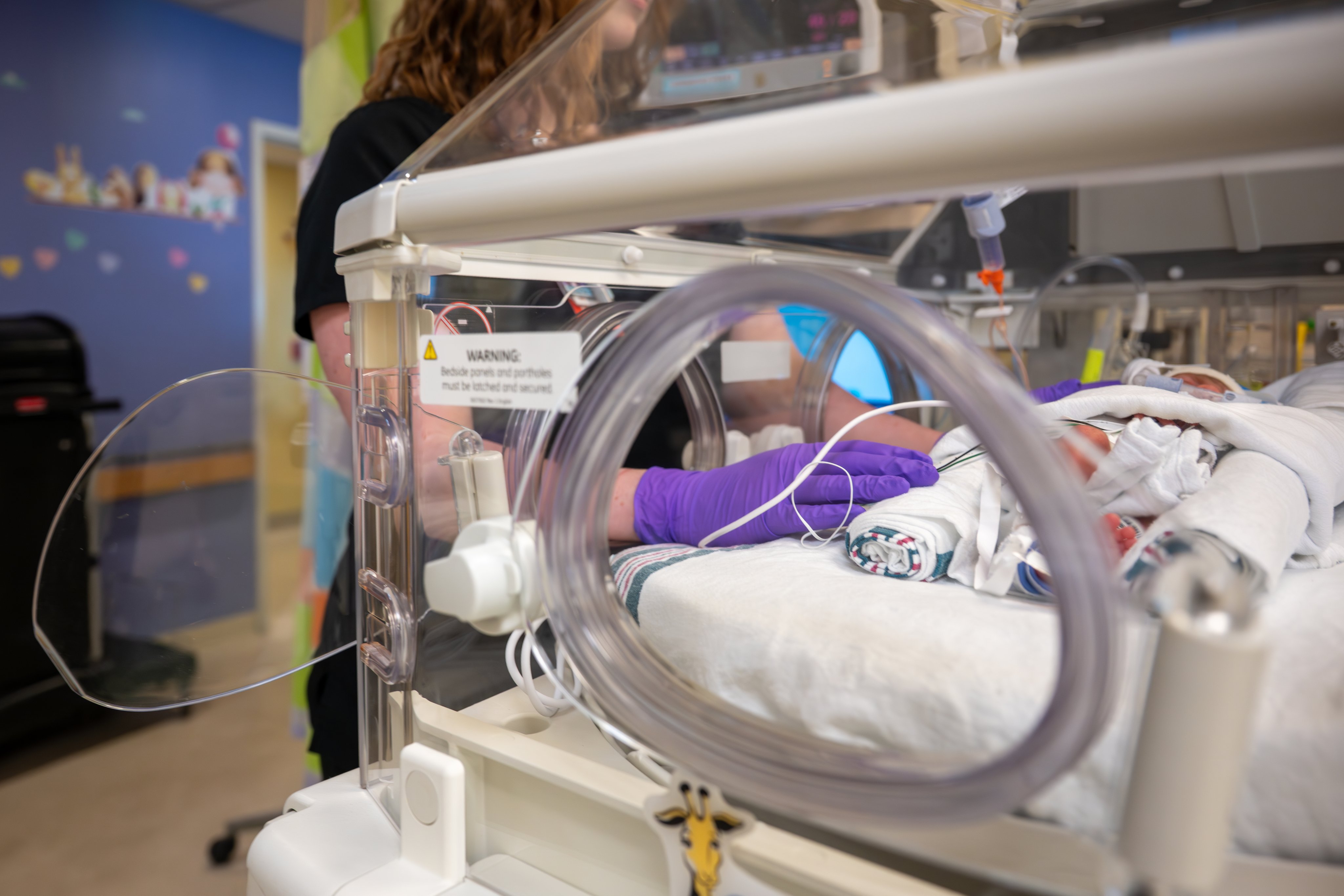
Over 20,000 babies a year are born with neonatal opioid withdrawal syndrome (NOWS). These children's care needs to help them recover now, but also help them meet milestones, and overcome any challenges.
Eliza Holland, MD, a pediatric hospitalist, and Santina Zanelli, MD, a neonatologist, share what providers should know about caring for these children.
What is neonatal opioid withdrawal syndrome, and how has our understanding of it evolved?
Neonatal opioid withdrawal syndrome (NOWS) occurs when a baby who was exposed to opioids during pregnancy develops withdrawal symptoms after birth.
These symptoms can affect feeding, sleep, comfort, and overall adjustment to life outside the womb. Over the past decade, our understanding of NOWS has evolved significantly. Rather than focusing solely on treating withdrawal symptoms with medication, we now recognize the powerful role that parents and caregivers play in helping their babies recover.
Today's approach emphasizes keeping families together, promoting bonding, and using supportive, non-pharmacologic interventions whenever possible, resulting in better experiences and outcomes for both infants and families.
What does the Eat, Sleep, Console (ESC) approach look like in practice, and how has it changed the way your team cares for infants with NOWS?
In the past, infants with substance exposure were often admitted to the NICU, assessed using a complex and sometimes subjective scoring system, and frequently treated with methadone. They ended up staying in the hospital for weeks while they were weaned off the methadone, which was hard on the families and impaired bonding. The Eat, Sleep, Console approach shifts the focus from counting symptoms to evaluating how well a baby functions.
We ask three simple questions:
- Can the baby eat effectively?
- Can the baby sleep for at least an hour at a time?
- Can the baby be consoled within 10 minutes?
In other words, is the baby able to do the things babies need to do?. In other words, do the babies act like babies? The first line treatment is non-pharmacologic, i.e. skin to skin contact, swaddling, a calm environment. Unless there is another medical reason to be in the NICU, the infants stay in the nursery or on the pediatric ward so their parents can stay with them.
The emphasis is really on family-centered care. If medications are needed we use morphine at the lowest effective dose and prioritize therapies that support a quicker recovery. This family-centered approach has reduced medication exposure, shortened hospital stays, and empowered parents to be active participants in their baby's care.
Caring for infants with neonatal opioid withdrawal syndrome takes a large team. Who are the key members of the team, and how do they work together to support babies and families?
It truly takes a village. Because infants with NOWS may face challenges that extend beyond the newborn period, we involve a multidisciplinary team from the very beginning.
Speech Therapy helps with feeding issues and educating families on the best way to feed their baby.
Lactation helps the mom decide if it is appropriate or desired to breastfeed and how to be successful.
Physical Therapy helps with coordination and muscle tone, teaching families how to work on the best ways to hold and move the infants.
Occupational Therapy works with families on understanding the infants needs and cues.
Social Work helps identify resources for the families once they are back in their community.
Case Management arranges Early Intervention and Home Health nursing services for the infant after discharge.
The Home Health nurse visits the families to make sure that the babies are gaining weight and doing well.
The doctors and nurses in the hospital promote overall health and make the decision about whether or not the infants will need medication for their withdrawal symptoms.
The Developmental Pediatricians follow these infants after discharge, tracking their growth and milestones.
The Ophthalmologists see these babies starting at 6 months of age to see if there are any vision or eye problems from the prenatal exposure.
The outpatient pediatrician is the touchpoint for these infants once they go home, following their growth and overall well-being.
What do families often find most surprising about their baby's recovery from NOWS, and what message would you want every parent to hear?
Many families are surprised to learn how much of their baby's treatment comes from them. Simple actions such as holding, comforting, feeding, and responding to their baby's cues are some of the most powerful interventions we have.
Because withdrawal symptoms can start in the first week after birth, we keep these babies in the hospital for 4-5 days to make sure that they are feeding well, gaining weight, and do not have symptoms that will require medication. This is a longer hospital stay but during that time, the families are going to meet a lot of people who are invested in making sure their baby is healthy and can reach their peak potential as they grow up.
The message we want every parent to hear is simple: you are an essential part of your baby's recovery, and we are here to support you every step of the way.
Discharge is often just the beginning of a family's journey. How does your team help ensure a safe and successful transition from the hospital to home?
Support begins even before delivery. Families have the opportunity to meet with members of the care team, including pediatric providers and lactation consultants, to learn what to expect during their baby's hospitalization and discuss recommended services after discharge. We use a discharge checklist that ensures that each infant with NOWS has all of the consults and referrals in place before going home. We have also created an informational website for families that introduces all of the different team members and has resources for when the babies go home. Our goal is to make sure families leave the hospital feeling informed, supported, and connected to ongoing care. NOWS Family Education PDF
What makes UVA's NOWS program unique, and what impact have you seen on patient outcomes?
UVA was an early adopter of the Eat, Sleep, Console approach, implementing this model in 2018 before it became widely adopted across Virginia and nationwide. Since then, we have continuously refined our approach through quality improvement initiatives focused on both the hospital experience and long-term outcomes.
Our work has been presented at regional and national conferences and has helped shape conversations about best practices in NOWS care. One of our greatest accomplishments has been increasing access to developmental follow-up and support services, helping ensure that infants and families receive the resources they need well beyond the newborn period.
What are you most proud of about the NOWS program and the impact it has had on babies, families, and the community?
We are most proud of the collaborative network we have built around these families. We have created a multi-specialty work group, encompassing providers from UVA as well as community partners. This coordinated approach helps ensure that families receive consistent, compassionate care across settings and over time. The Virginia Neonatal Perinatal Collaborative, the state perinatal quality collaborative, showcases UVA as a model of care for NOWS.
Article Topics