UVA Health First in Virginia to Adopt Robotic Cardiac Surgery for Valve Procedures
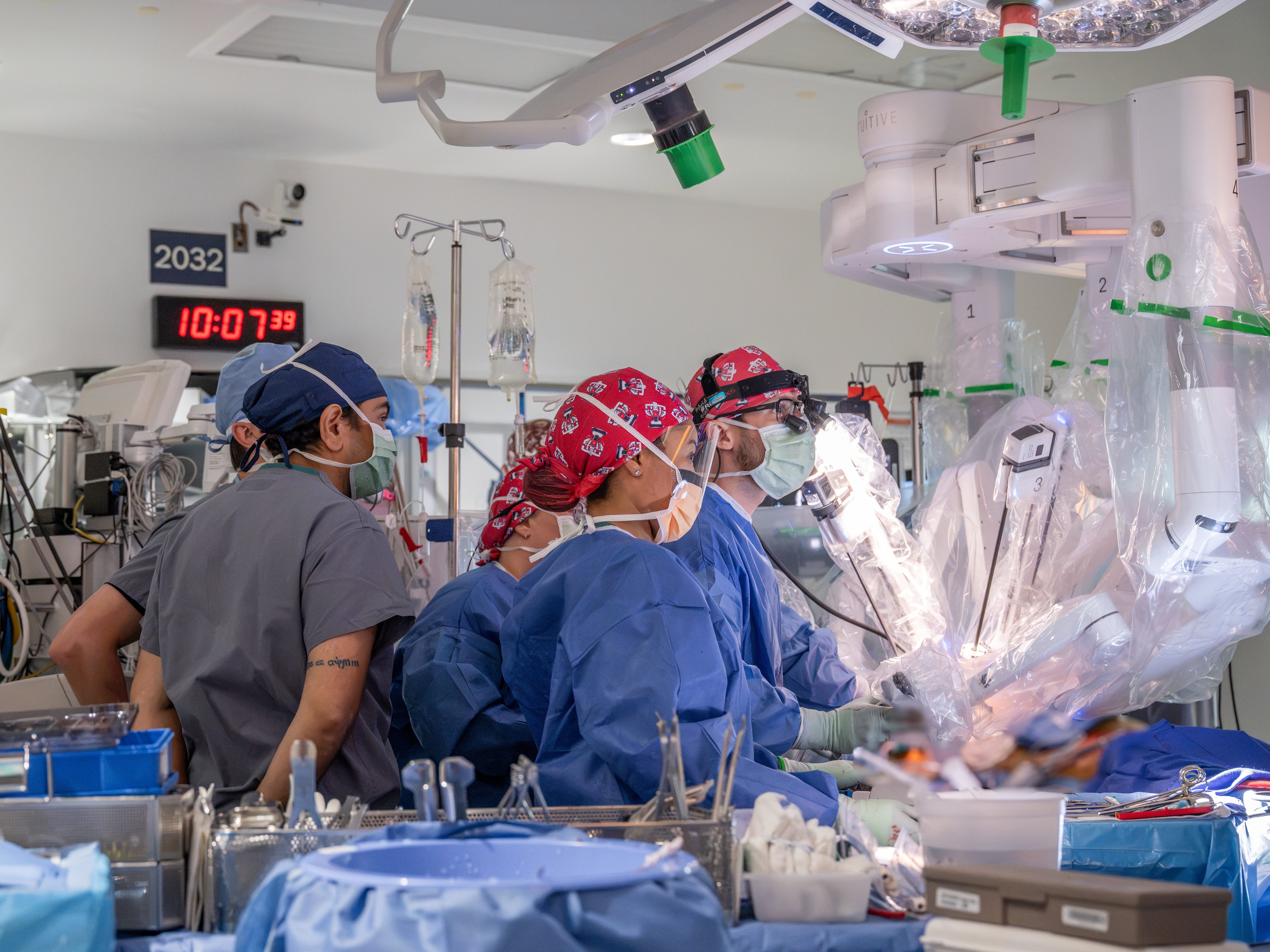
UVA Health is expanding its advanced cardiovascular care capabilities as the first healthcare system in Virginia to offer a dedicated robotic cardiac surgery program. Led by Michael Ibrahim, MD, director of robotic cardiac surgery at UVA Health, the program brings cutting-edge, minimally invasive options for valve patients right now across Virginia and beyond.
While robotic heart surgery was once limited to simple procedures, the program at UVA Health covers a broad spectrum of complex valve conditions as well as atrial fibrillation and coronary artery disease.
A Milestone: UVA Health's First Robotic Valve Repair Patient
The team's inaugural procedure demonstrated the clinical value of bringing this advanced technology to UVA Health. Rather than facing a traditional open-chest operation, the patient successfully underwent a robotic mitral valve repair. "This first patient was somewhere kind of in the middle. She had complex valve disease and was considering a transcatheter therapy versus surgery, “ says Ibrahim.
“Because we were able to use surgery without having to open the chest, that's what she went with. And surgery is generally more durable and more definitively corrective than transcatheter therapy," he notes.
Ibrahim explains that while robotic surgery is often viewed as an option for young, healthy patients wanting a fast recovery, it is equally beneficial for high-risk patients who might struggle to tolerate a large incision.
By offering a less invasive pathway for complex valve pathology, this initial case set a strong precedent for how the program treats patients who might otherwise require larger incisions or need to travel out of state for specialized care.
Beyond the launch, building on Ibrahim’s experience of hundreds of such operations, UVA Health "has now pioneered several first in man operations, landmarks for heart surgery around the world," says Ibrahim.
Expanding the Scope of UVA Health Cardiovascular Care
In addition to the first robotic valve repair at UVA Health, "My partners in UVA Health also do robotic coronary artery surgery and, together, we’re able to offer the entire spectrum of robotic heart surgery," notes Ibrahim.
"The types of operations that we do robotically are coronary artery bypass surgery, mitral valve repair (which is what our first patient had), mitral valve replacement, and other valve repair and replacement in the heart, like aortic valve repair and replacement and tricuspid valve repair and replacement, and surgery for atrial fibrillation. In addition, we offer re-operations robotically also.”
For cardiovascular specialists, the ability to offer robotic solutions for coronary artery disease (CAD) alongside advanced valve procedures represents a major step forward. By using precise robotic instruments, surgeons can perform coronary artery bypass surgery and complex valve repairs through tiny keyhole incisions rather than traditional open-chest operations.
Overcoming Traditional Barriers
Traditionally, many high-risk patients or those with complex medical histories were automatically ruled out for minimally invasive approaches. However, growing institutional experience at UVA Health has allowed the team to safely extend the benefits of robotic surgery to a much wider patient population.
"As our experience with robotic cardiac surgery has grown, we've expanded the number and types of patients that we're able to operate on," explains Dr. Ibrahim.
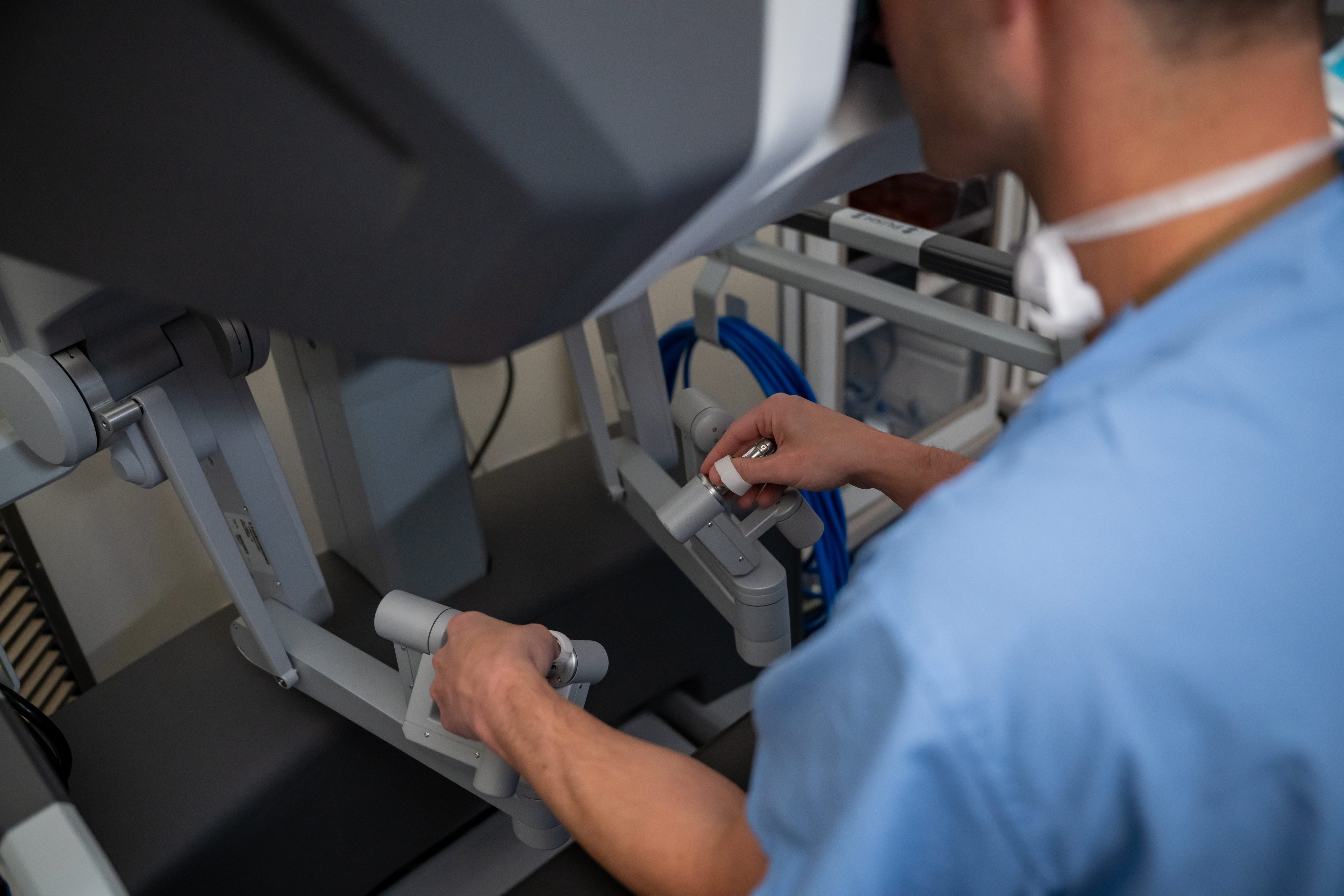
Paired with a high-definition, 3D visualization system and robotic system that includes “wrists” that offer a greater range of motion than a human hand, the technology allows surgeons to navigate tight spaces with unmatched precision. "This is one of the reasons that we feel this can be an ideal platform for patients who are good candidates for robotic cardiac surgery," says Dr. Ibrahim.
A Faster, Easier Recovery for Patients
Traditional open-heart surgery requires a sternotomy, which often leads to months of painful recovery and strict heavy-lifting limits. In contrast, robotic cardiac surgery uses small incisions between the ribs without opening the chest.
This key difference drastically alters the patient experience:
• Shorter hospital stays: Most patients are able to be discharged from the hospital in just two to three days.
• Fewer restrictions: Without bone healing limitations, patient recovery is primarily guided by how they feel rather than rigid physical restrictions.
• Reduced Trauma: Smaller incisions mean less blood loss, a lower risk of infection, and a faster return to daily life.
• Precision: more and more, we are recognizing that robotic approaches can enhance the precision of surgery even beyond conventional open standards by hand.