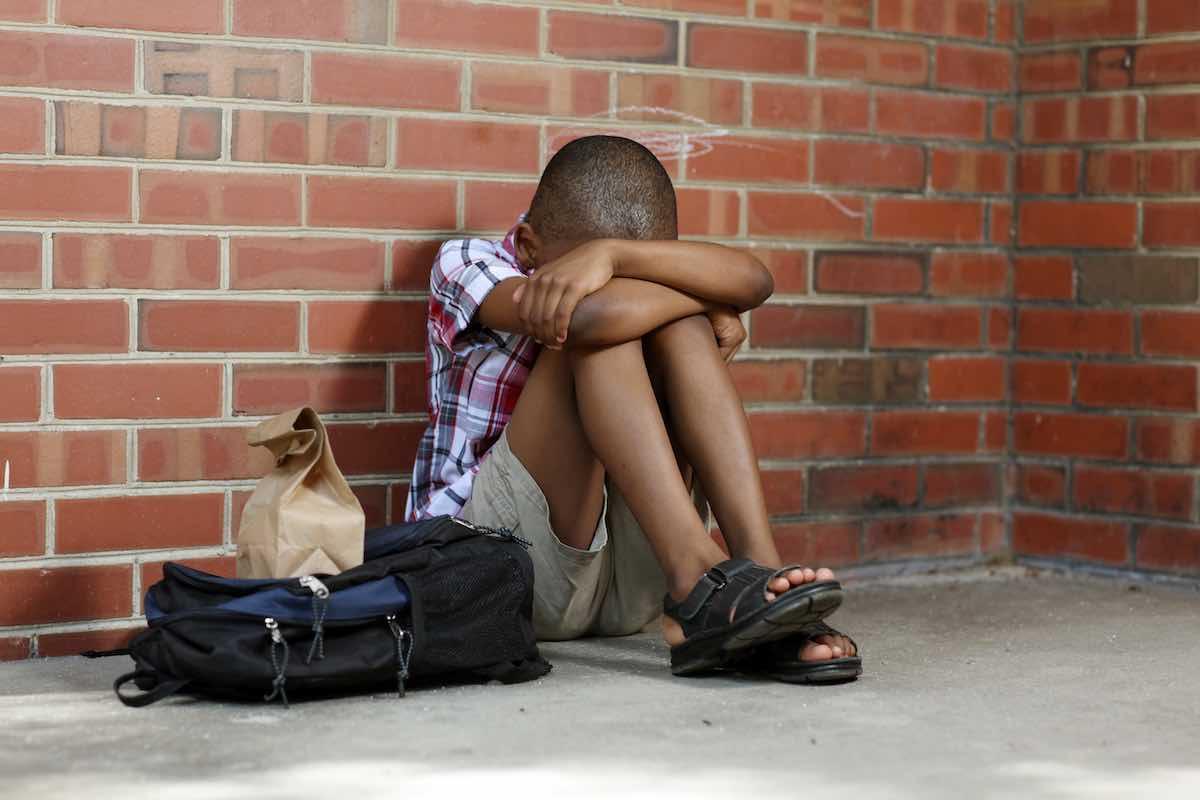
Teen Bullying: Taking It Seriously

It’s been in the news a lot recently. Whether online or in person, teen bullying has had parents, schools, and communities grappling with how best to address this. It often seems to end in tragic stories of suicide and even murder.
It’s not an easy issue to tackle.
According to Dyan Aretakis at the UVA Health Children's Teen Health Center, it’s difficult for embarrassed teens to admit to being bullied. “Even though the schools are doing so much work to have this conversation, it’s still hard if you’re the victim in this society - you look like the weak link.”
And when you look weak? Well, that can be part of the problem.
Explains Aretakis, “If someone feels vulnerable or seems vulnerable, the person who is more aggressive notices that and that becomes a problem. It’s the potential for a power differential that makes it bullying. That could be an emotional or physical difference or both. Sometimes it’s someone’s who physically smaller or emotionally fragile. In the case of gay youth - a social stigma - makes you very vulnerable. Whatever the reason, kids get targeted.”
The effects, of course, can be wide-ranging.
“If we don’t help them when they’re young, they can develop bad habits. Including shaping how they feel about themselves,” Aretakis says. Kids learn to see themselves as victims. This hurts their self-identity and sets them up to be bullied as adultsVishal Madaan, MD, at UVA Health Children's Child and Adolescent Psychiatry Clinic agrees. Madaan confirms that with persistent bullying, children are at high risk of developing lower self-esteem. They can even develop clinical anxiety and depression.
What Can a Parent or Caregiver Do?
Pay Attention. “The challenge for the parent is to be really observant,” says Aretakis.
“Watch for signs, such as unexplained headaches and stomachaches, just before school, unexplained physical injuries, repeated loss of teen’s personal items and trouble sleeping — these may indicate concerns with bullying,” says Madaan.
Listen. Since adolescents avoid talking about being bullied, listening is crucial. At the Teen Health Center, care providers often discover bullying issues indirectly, as one piece of the fabric of a teen’s experience that might include problems with self-esteem, depression and suicidal thoughts.
Madaan suggests that parents must establish an easy two-way communication with their teen and not dismiss the teen’s real or perceived concerns about bullying.
Take It Seriously. Kids often cope with bullying situations by laughing them off, and sometimes adults encourage this response.
But laughter can mask real pain and downplay the risks kids face. Treating instances of bullying with care is crucial.
Teach Your Kids to Say No. Using command words like “no” or “stop,” or just walking away are a few of the strategies that can help a teenager set boundaries around how they are being treated. Also, the teenagers need to understand that they have the power to stop bullying by not watching it happen to someone else. And support the person struggling in school.
It’s the parents’ job, Aretakis underscores, “to teach teens skills that help them be more powerful and also serve to protect them.”
Making Mental Health a Priority
Our Family Stress Clinic provides counseling services for children or families struggling with variety of difficulties and concerns in their lives.
Contact the School. School systems around the country have become extremely sensitive and alert to bullying issues. Not only do they have protocols in place, they can also offer access to resources to provide mediation and other support for resolving an ongoing issue.
Watch for Cyberbullying. Madaan explains, “It is important to understand that with social network websites, cyber-bullying is a real threat to your teen.”
You might find placing limits and restrictions on social media use challenging with a teenager, but kids are just as vulnerable online as they are in the real world. Keep tabs on your kids’ online activity, “friend” them on Facebook, follow them on Twitter and stay involved.
Is your child being bullied?
Find more ideas from the local Safe Schools initiative and the U.S. government's anti-bullying site.
The UVA Health Children's Teen Health Center, part of the Children’s Hospital, sees about 4,000 patients a year between the ages of 12-22 for all kinds of primary care and adolescent-related issues, including sports physicals, pregnancy, acne and asthma.
UVA Health Children's Child and Adolescent Psychiatry Clinic is one of the few places in Virginia to offer child psychiatry services. With a wide range of mental health disorders in children and adolescents, including:
- Anxiety
- Depression
- Attention-deficit hyperactivity disorder (ADHD)
School problem
Subscribe to Healthy Balance
Get timely health and wellness tips from UVA Health experts. Plus, stories that will move you.