What To Know About Diet Restrictions During Pregnancy
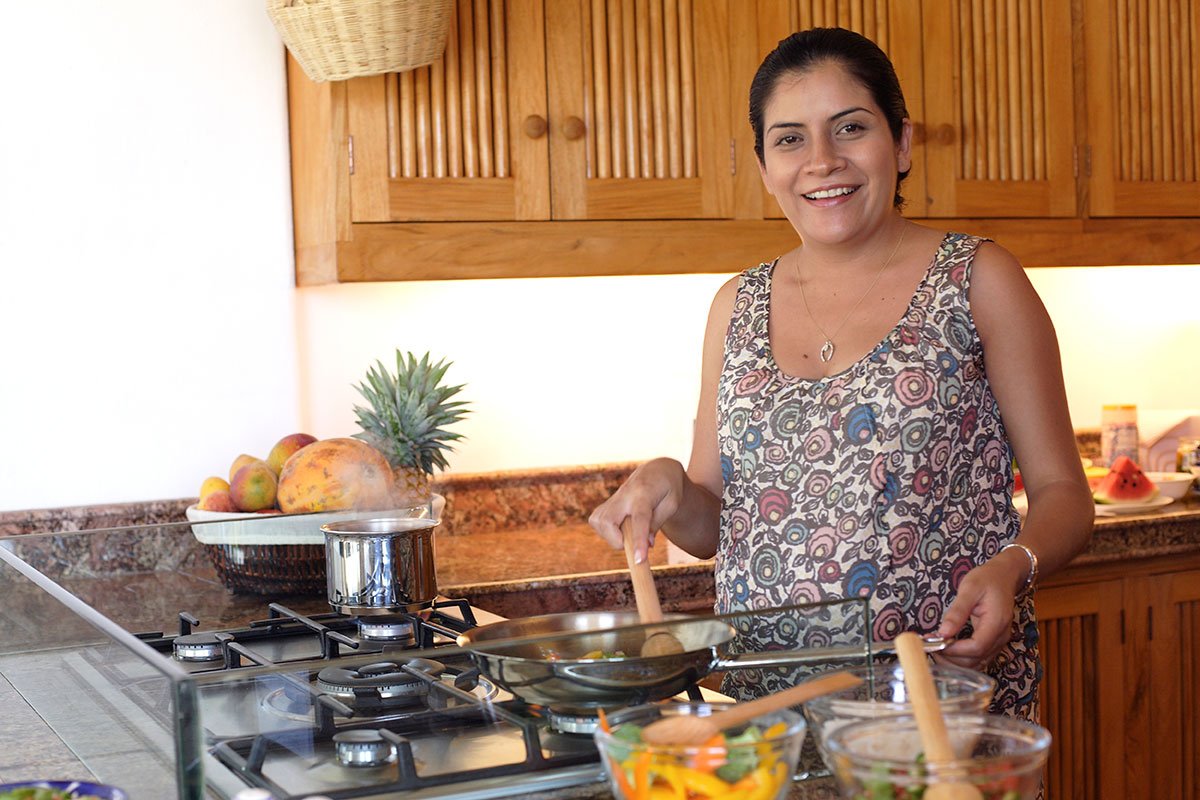
There are a lot of diet changes during pregnancy. Some of the rules about what you can and can’t eat can feel overly restrictive. And some of them just feel confusing.
Wendy Heaton, DO, shares some of her best advice for dietary restrictions during pregnancy.
Truthfully, there are a few things that are absolute no-go’s during pregnancy. But many more restrictions have a little more wiggle room. Here’s what to know.
Restriction: Deli Meat
Why: Deli meats, because of how they’re stored, can expose you to Listeria. This infection can make anyone sick, but for pregnant people, it can also cause miscarriage.
Solution: Heat up your sandwich.
Sandwiches are an easy go-to lunch staple that are also satisfying. Heaton offers assurances. “As long as it’s warmed up first.” The meat should be steaming, and you should ideally eat it while the sandwich is still warm.
It doesn’t take much heat to kill Listeria. An internal temperature of 165 degrees will do it. Many sandwich shops even offer hot options.
Restriction: Sushi
Why: Bacteria, parasites, and mercury
Solution: Know what to order.
“Raw sushi, or raw fish, has a risk of containing parasites, viruses, and bacteria that you’re more susceptible to when you’re pregnant,” Heaton says. While the risk is tiny, it’s also serious. And generally not worth taking.
Some fish also have high levels of mercury, which can negatively impact your baby’s brain.
But cooked rolls and veggie rolls are still okay! Sweet potato tempura rolls, California rolls, avocado rolls, tofu, and tempeh are all great options.
“Something with crab or shrimp you can safely consume while pregnant,” Heaton says.
Restriction: Seafood
Why: Mercury
Solution: Stick with low-mercury options.
Many fish are high in mercury. This includes tuna, swordfish, and tilefish.
However, some of the seafood options that are best for you are also low in mercury. Salmon, clams, tilapia, and shrimp are all low-mercury options.
A note about shellfish, though: Make sure they are cooked all the way. Undercooked shellfish can cause serious food poisoning.
Restriction: Soft Cheeses
Why: Bacteria
Solution: Pasteurized cheeses are fine.
Soft cheese (like feta, goat, or brie) can carry Listeria. But pasteurized cheeses don’t have this concern. Because they’re heated to a high enough temperature to kill Listeria, they’re safe to eat.
In general, rather than being worried about whether your cheese is soft or hard, just check to see if it is or isn’t pasteurized. If it’s pasteurized, you’re good to go. “Most soft cheeses that you buy in the grocery store are going to be pasteurized, because it’s legally mandated,” Heaton verifies.
Restriction: Caffeine
Why: Low birthweight
Solution: OK in moderation
If you aren’t a regular caffeine drinker, you shouldn’t start. But if you’re a several-cup-a-day kind of person, let’s keep body chemistry changes to a minimum. Instead, cut back to around 200 mg a day. “That’s right around two cups of coffee," Heaton shares.
Because coffee can vary, you’ll want to read the caffeine content of your chosen brew. In general, you’ll get more volume with a dark roast, if that’s what you’re after. Dark roasted coffee has less caffeine per ounce and is so flavorful you don’t need much. But for most coffee, you’ll get about 16-17 ounces a day. Add milk to stretch it further if you need to.
Restriction: Alcohol
Why: Fetal alcohol syndrome
Solution: None. This one is non-negotiable.
For a while, there was a rumor circulating that 1 cup a day of red wine was good for your heart and fine for pregnancy.
“So, unfortunately, there’s just no safe amount of alcohol that we know of during pregnancy,” Heaton warns. And the effects are lifelong.
Fetal alcohol syndrome is the most commonly cited reason for avoiding alcohol. But there’s also an increased risk of miscarriage, stillbirth, and sudden infant death syndrome (SIDS). How likely is it? We don’t know. When the possible results are so catastrophic, it becomes unethical to research further.
But if you really just want something to toast with friends (you’ve got a lot to celebrate!) many restaurants have mocktails that are 0% alcohol. Just be very clear, since some ‘non-alcoholic drinks' like beer and wine can actually contain some alcohol.
Other Nutritional Guidelines
For other food, generally, you just need to be more careful. Actually take the time to wash your produce. Use a meat thermometer to make sure it’s done (and for a while, rare red meat is off the menu).
But outside of these items, most of your current favorites are okay. Doctors do urge pregnant women to try for a balanced diet, complete with veggies, fruits, dairy, and protein. In general, whole foods are going to be more nutrient-rich and pregnancy-safe.
Article Topics