Beating Pregnancy Fatigue
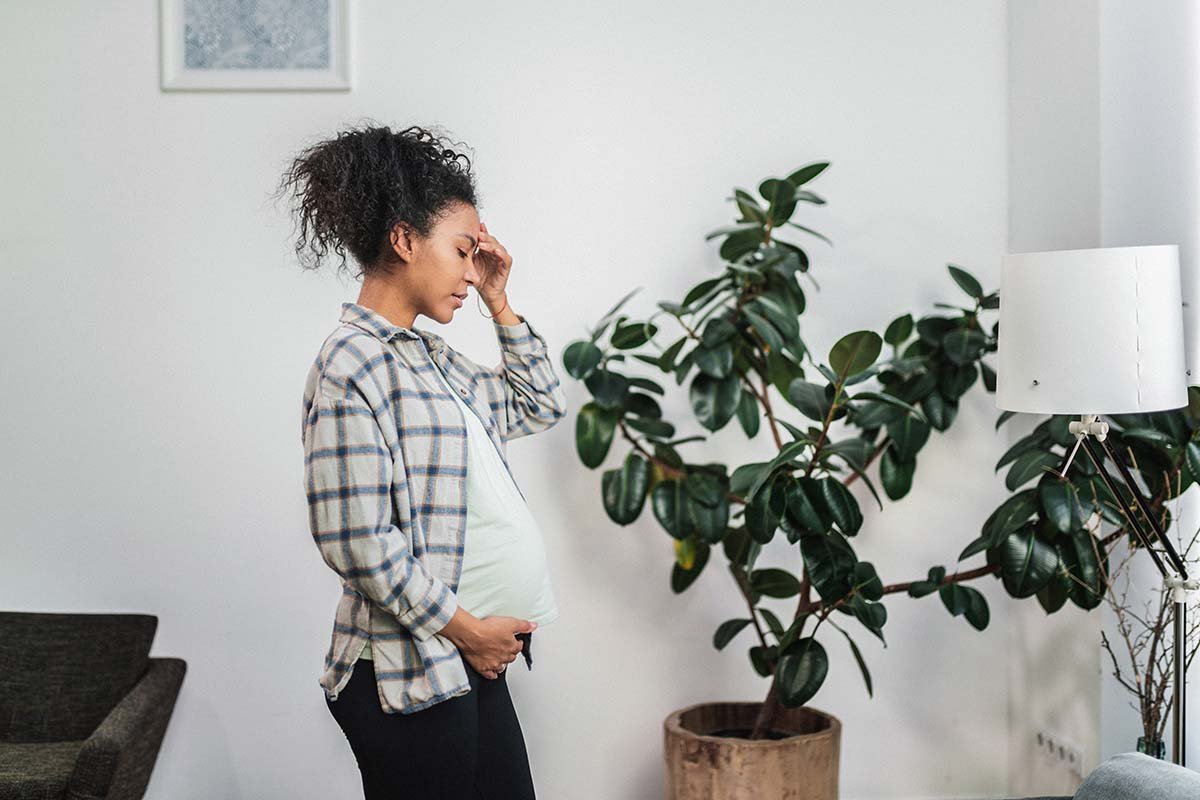
While morning sickness is discussed more frequently, many people find that pregnancy-related fatigue is the most challenging part of the first trimester.
Unfortunately, this fatigue is mostly due to the natural and healthy hormone shifts that occur in the first part of pregnancy.
“Your hormones, your heart, and your brain are all working hard in the first trimester,” says Eugene Louie-Ng, MD, an OB-GYN. “It’s understandable to feel tired.”
But that doesn’t mean there aren’t things you can do to feel a little less fatigued.
Understand Why You’re Tired
Okay, we know that understanding why you’re tired won’t help you feel less tired. But it might help you give yourself some grace. It’s not in your head. You’re really tired. And for good reason.
Hormones
Your hormones are all over the place right now. But progesterone, necessary for a healthy pregnancy, increases. This is similar to another hormonal shift that occurs right before your menstrual cycle. In other ways, your symptoms probably mirror those of premenstrual syndrome (PMS). You may also have headaches, muscle aches, and food cravings.
Heart
“Being pregnant makes your heart beat harder and faster,” says Louie-Ng. It’s kind of like a cardio workout, except it’s happening all of the time. Even while you’re asleep.
Mind
Mentally and emotionally, adjusting to finding out you're pregnant is big news. And because many people opt to not share the news until they’re further along, you might be feeling like you're holding in a secret.
How to Cope With Fatigue
Just because it’s real doesn’t mean you can’t try to make it better. Some strategies can help with fatigue.
You Can Nap If You Want To
You can sleep your cares away. Your body is tired for a reason. There’s nothing wrong with taking a nap whenever you get an opportunity. Even laying down for a few minutes during your lunch break can help give your body a break.
For added feelings of relaxation, try some of our vagus nerve exercises. Putting something cold over your eyes and lying down for a few minutes can offer a welcome reprieve.
Drink Water
Dehydration, even mild dehydration, can make you feel exhausted. And while you’re not really eating for 2, you are drinking water for 2.
Some women find that drinking a lot of water at once makes them feel more nauseous. If that’s true for you, then electrolyte drinks may be helpful.
Food that Fuels You
Foods that are broken down easily, but over a long period of time, give you steady energy. That's unlike foods that are broken down easily, because they're also used up quickly. Simple sugars for example give you a quick lift, but it’s a flash in the pan.
Complex carbohydrates take longer to break down, so you have energy for longer.
You also want to think about how hard food is to break down. Foods with a lot of fat or that are very processed take a lot of effort for your body to turn into individual nutrients.
Some food energy powerhouses:
- Steel-cut oats
- Sweet potato
- Apples
- Kale or spinach
- Nuts, especially almonds and walnuts
- Yogurt
Get a Pregnancy-Safe Workout
Working out when you’re tired feels counterintuitive. “Exercise can help you feel good,” says Louie-Ng. “And doing the right type of exercises can even help with some of your pregnancy-related aches.” It can even make labor and delivery easier.
Some safe workout ideas:
- Yoga
- Walking
- Swimming
- Light weightlifting
- Stationary cycling (be wary of fall risks)
Even just getting up and stretching can feel great.
Get Outside
Sunlight and fresh air are not only good for you, but they also can help you feel less fatigued. That’s because the natural light helps your body process that it’s daytime. A circadian-rhythm hack is just making sure your lighting situation matches where you want your energy level to be. Low lights when you’re chilling out before bed, brighter lights for the times of the day when you need to be active.
Getting outside and enjoying some fresh air also helps you feel less stressed, which can help with fatigue.
If All Else Fails, Time
For most pregnancies, the first trimester will be the hardest in terms of fatigue. Once you’re past this, you should start to feel more energized. That said, many of these same strategies will apply and help as you learn to cope with newborn life.
Article Topics