Air Quality, Inside & Out: When to Worry, How to Check It
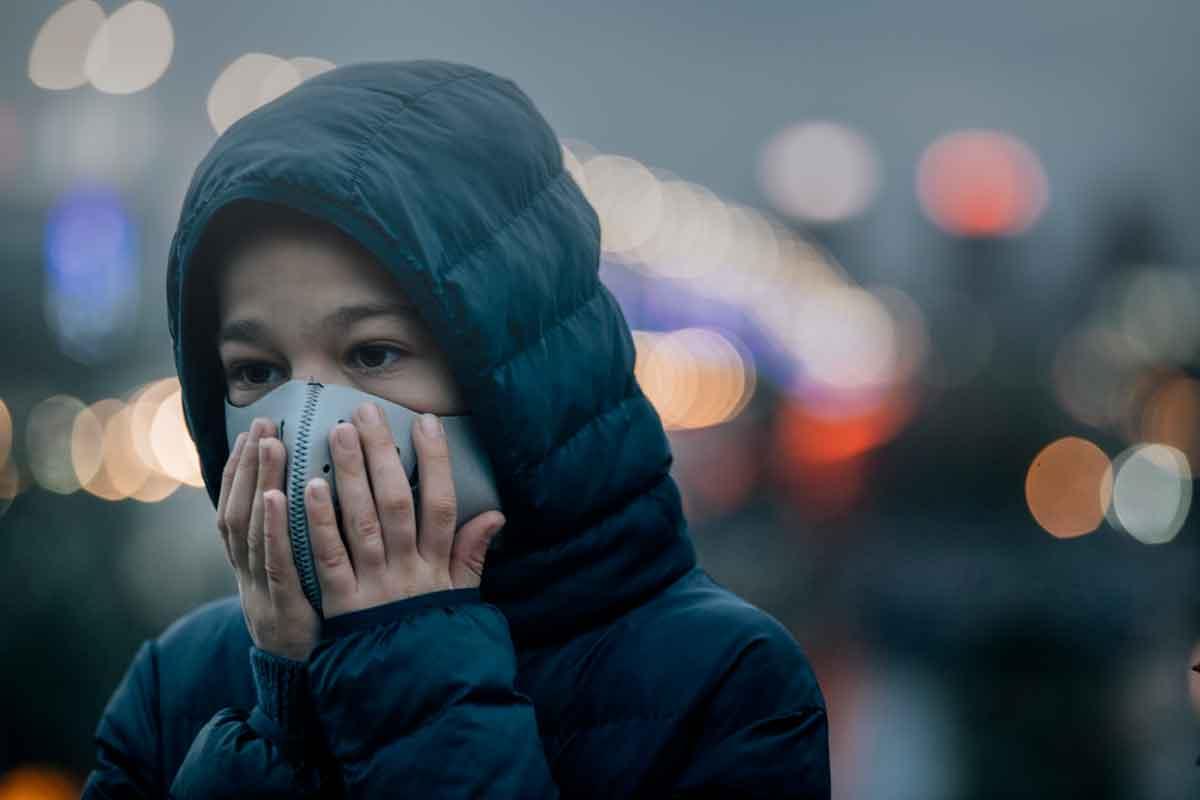
January 17, 2025: We're resharing this post about air quality due to the recent California wildfires that have people thinking about smoke inhalation. It was originally written during the 2023 Canadian fires, when smoke impacted air quality in several states.
Winter Alert: Carbon Monoxide Poisoning
But here in Virginia, we're facing power outages from snow, wind, and ice. We face air quality concerns within our homes, not outside, from carbon monoxide (CO). According to Christopher Holstege, MD, director of UVA Health’s Blue Ridge Poison Center, carbon monoxide can poison your inside air via:
- Clogged or leaky gas furnaces or chimneys
- Portable power generators
- Warming up vehicles in garages
- Kerosene or propane heaters
- Woodstoves
- Gasoline-powered tools
- Charcoal or gas grills
Carbon monoxide poisoning is lethal. Read on for Holstege's advice on CO poisoning prevention.
Why Air Quality Matters
Clean air is crucial for your health. Breathing polluted air can worsen breathing issues like asthma. When you have breathing issues, it's important to pay attention to the air quality in your area.
How Can I Check the Air Quality Around Me?
Air quality is measured using the Air Quality Index (AQI). The AQI tells us how clean or polluted the air is. You can see what the AQI is in your area by visiting AirNow.gov and putting in your location.
The AQI scale ranges from 0 to 500. The higher the number on the AQI, the more pollution there is in the air. A lower number means the air is cleaner and safer to breathe. The AQI also gives information about the possible health effects of air quality at different levels.
The scale uses colors to show how polluted the air around you might be. Green and yellow are for low AQI numbers (under 100). Green means there isn't any risk from air pollution. Yellow is when someone who is very sensitive to air conditions might start to feel some health effects.
The AQI then goes to orange, red, purple, and maroon as the air quality gets worse. You're more likely to have health issues if the AQI in your area is one of those colors.
What Factors Affect Air Quality?
According to the U.S. Environmental Protection Agency (EPA), there are 5 major pollutants (harmful materials in the environment, both man-made and natural) that can affect air quality:
- Particle pollution (also known as particulate matter)
- Carbon monoxide
- Ground-level ozone
- Sulfur dioxide
- Nitrogen dioxide
The current smoky haze is a kind of particulate matter pollution (tiny pieces of dust, dirt, smoke, or other stuff in the air that you're breathing). The size of these particles matters: the tinier they are, the more likely it is that they'll get deep into your lungs. They may even wind up in your bloodstream.
Their size is directly linked to how likely they are to affect your health. Particulate matter pollution (PM) is measured using micrometers. You might see reports showing measurements like PM10 and PM2.5:
- PM10: inhalable particles, 10 micrometers and smaller
- PM2.5: fine inhalable particles of 2.5 micrometers and smaller (smaller than PM10; these particles pose a greater risk)
Air Quality Making You Sick?
If you have a lung or heart disease and your symptoms get worse, check in with your doctor. Don't have one? Find a UVA Health doctor near you.
Being exposed to these particles affects your lungs and heart. Studies have linked particle pollution to health issues like:
- Worsening asthma or other breathing and lung issues (airway irritation, coughing, trouble breathing)
- Irregular heartbeat
- Nonfatal heart attacks
- Early death in people with heart or lung disease
What Does Being in a "Sensitive Group" Mean?
The AQI states that people in "sensitive groups" may start to feel worse at as low as the yellow level. How would you know if you're in a sensitive group? What should you do if you're in one of these groups?
People in the "sensitive groups" include:
- Those who spend a lot of time outside (like construction workers), including kids and teenagers
- Older adults
- Those with lung diseases (asthma, chronic obstructive lung disease, emphysema, etc.)
- Those with heart disease (particles that get into the bloodstream can irritate your blood vessels and trigger heart attacks or strokes)
If this is you, you should reduce your time outside. You should especially reduce any outside exercise or other intense activities. Take frequent breaks and watch yourself for worsening symptoms, like coughing or wheezing.
If someone shows signs of a medical emergency, like shortness of breath, chest tightness, or confusion, dial 911 or go to the nearest emergency room.
How Your Environment Affects Your Health
Check out these articles about how your environment may be affecting your health, and how to reduce the impact on you:
Subscribe to Healthy Balance
Get timely health and wellness tips from UVA Health experts. Plus, stories that will move you.
Article Topics
Related Articles