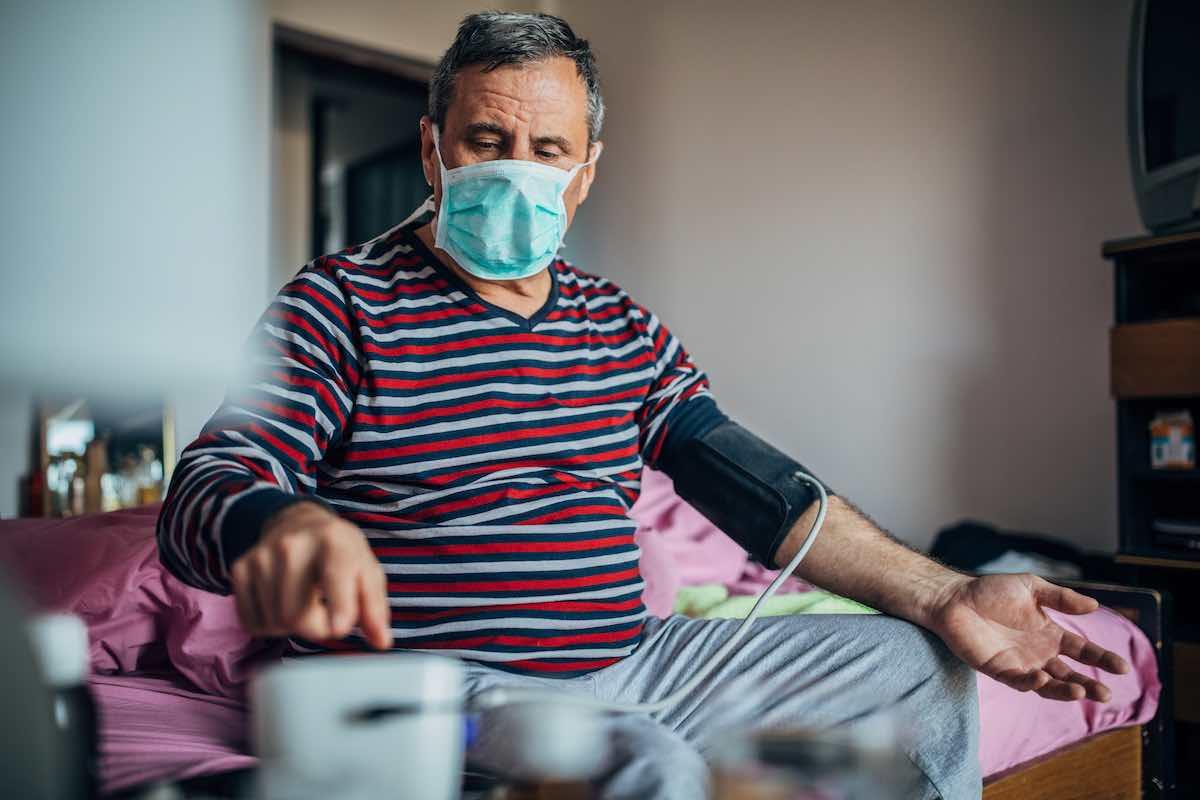
Can Heart Failure Be Reversed?
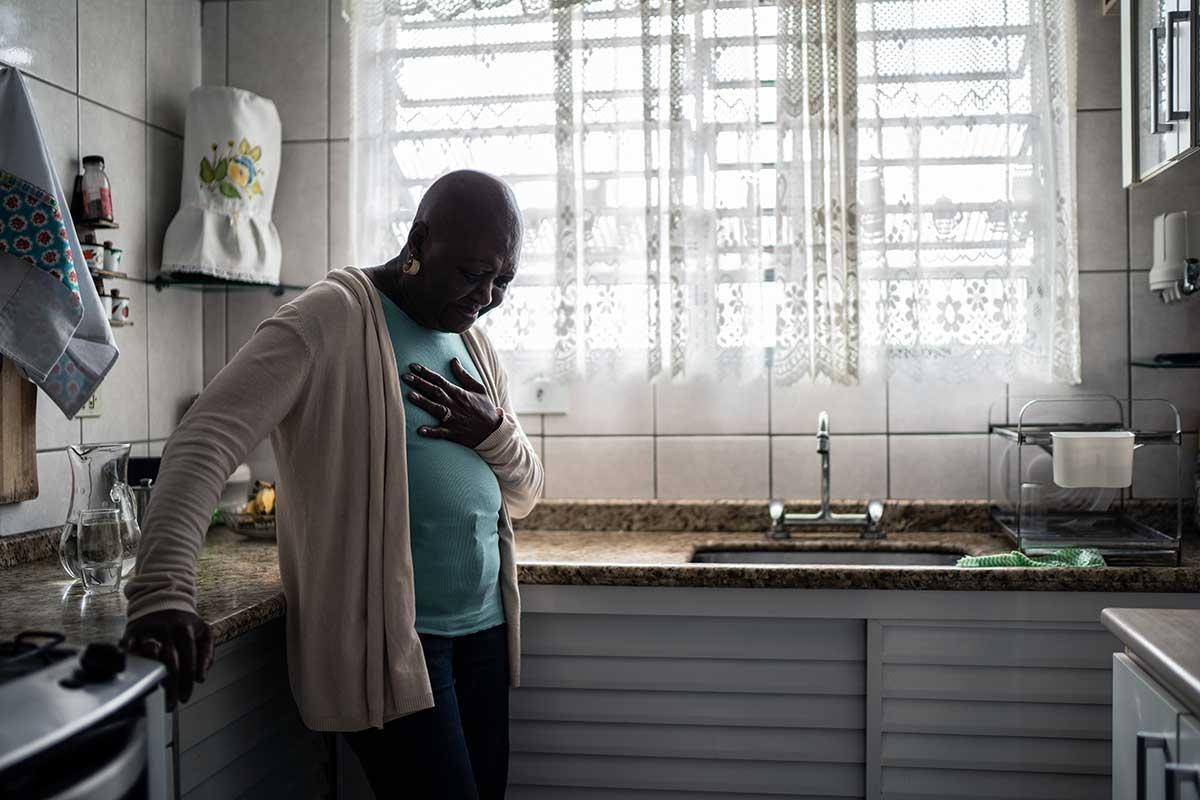
Can heart failure be reversed? I certainly thought, when my grandmother got the diagnosis, that she was on her deathbed. That turned out not to be true.
There's no cure for heart failure. It's a serious, chronic condition that harms your heart’s ability to pump enough oxygen-rich blood to your body.
But with the right care, you can overcome symptoms that interrupt your life. In some cases, your heart may even become stronger than it was before.
Treatment When All Else Fails
The kind of treatment you need depends on the cause and the progression of your condition. You could just need medicine — or a totally new heart.
Does it run in the family? If your family has a history of aneurysms, sudden cardiac arrest, cardiomyopathy, or heart disease, you can learn how to manage your risk.
We offer screenings throughout Virginia for genetic heart conditions.
Make sure to seek treatment where there are plenty of options. A pump or pacemaker could help. But you might need a heart transplant. And, if you're too frail for major surgery, you'll need an alternative. At UVA Health, the heart failure program has the highest national ranking from U.S. News. The program also has a specialized designation to offer transplant alternatives.
You may not be able to have your heart failure reversed. But it doesn't mean you have to give up.
Do I Have Heart Failure?
One way to remember heart failure symptoms is to think of the acronym FACES. Developed by the Heart Failure Society of America, this acronym stands for:
Fatigue – When the heart is not pumping well enough, you may notice you get more tired than you used to.
Activity Limitation – If you're tired or experience shortness of breath due to heart failure, it can be harder to perform the normal activities you’re used to doing.
Congestion – You may cough, wheeze, or have trouble breathing more than usual due to fluid build-up in the lungs.
Edema – You may retain fluid or notice swelling, especially in your ankles and legs, because your heart doesn’t pump well enough to force blood back up from the lower extremities.
Shortness of Breath – You may find it harder to breathe or may become short of breath. This is because fluid in the lungs makes it harder for your lungs to fill with oxygen.
These symptoms indicate that your heart may not be as strong as it used to be. But you could feel this way due to asthma or COPD, or because of flu or bronchitis. If you have these symptoms and they don’t go away, see a doctor. An echocardiogram — an X-ray for the heart — will show if your heart is pumping enough.
Do You Have Symptoms?
You don't have to travel. UVA Health can schedule lab work, sleep studies, and echocardiograms close to your home.
Can Heart Failure Be Reversed if Caught Early?
Early symptoms are often subtle and many people attribute them to normal signs of aging. But if you have heart failure, knowing about it as soon as possible can help. The longer you leave heart failure untreated, the greater the damage to your heart.
Where Did This Come From?
Heart failure occurs when something damages the heart muscle or affects its ability to effectively pump blood through your body. Causes include:
- Coronary artery disease
- Prior heart attack
- Faulty heart valves
- Uncontrolled high blood pressure
Staying heart-healthy in your food choices and activity levels can help you prevent some of these conditions. But you could also inherit heart disease or have a congenital heart defect. Whatever the reason, getting care is the key to whether or not your heart failure can be reversed.
Subscribe to Healthy Balance
Get timely health and wellness tips from UVA Health experts. Plus, stories that will move you.
Article Topics
Related Articles