COVID-19 and the Heart: How to Know If You Have Cardiac Complications
The lung-related complications of COVID-19 have made this virus fatal for far too many. But the more we learn about COVID-19, the more we understand that the damage doesn’t end there, unfortunately.
Studies show that between 20-40% of people diagnosed with severe COVID-19 will also have heart problems as a result of the virus. “That’s a pretty huge range,” admits cardiologist James Bergin, MD. But the fact is, until we get more time to study the virus, we don’t have all of the answers.
Q&A: How COVID-19 Affects the Heart
Here’s what we do know about COVID-19 and its impact on the heart.
What is the immediate impact of the virus on the heart?
Similar to other viruses like the flu, COVID-19 can cause a condition called viral myocarditis. This may occur if the virus directly infects the heart. Or the immune system can go into overdrive and cause inflammation throughout the body, including the heart.
This inflammation weakens the heart muscle. As a result, you might experience:
- Heart failure — the inability of the heart to effectively pump blood to the rest of the body. This chronic condition may require medication or a device like a pacemaker.
- Rhythm abnormality — an irregular heartbeat caused by faulty electrical signals in the top or bottom of the heart.
- Mitral or aortic valve regurgitation — when the heart weakens, the valves may not close tightly enough, so they allow blood to flow backwards into the heart.
- Thrombosis — a blood clot within the heart. If a blood clot travels from the heart to the lungs, it can be fatal.
- Pericardial effusion — when fluid around the heart compresses the muscle and prevents it from filling and pumping normally.
Who is at risk for heart damage from COVID-19?
This is one of those questions we just don’t have the answer to. “We don’t know why some people have heart involvement and others don’t,” says Bergin. “It’s a roll of the dice at this point.”
Why is COVID-19 threatening for people with heart disease?
Experts know that if you already have heart disease, you’re more likely to have complications should you get COVID-19. “If your heart is already compromised or injured, then you’re starting off on a bad foot,” says Bergin. “You don’t have any reserves, so you’re more likely to have an adverse reaction or die from the virus.”
This is why it’s critical for those who have heart disease to take additional precautions to avoid being infected.
What are the symptoms of heart problems from COVID-19?
If you test positive for COVID-19, it’s important to pay close attention to how your body is responding. Symptoms of heart problems from COVID-19 vary, but may include:
- Heart palpitations or a racing heart
- Dizziness
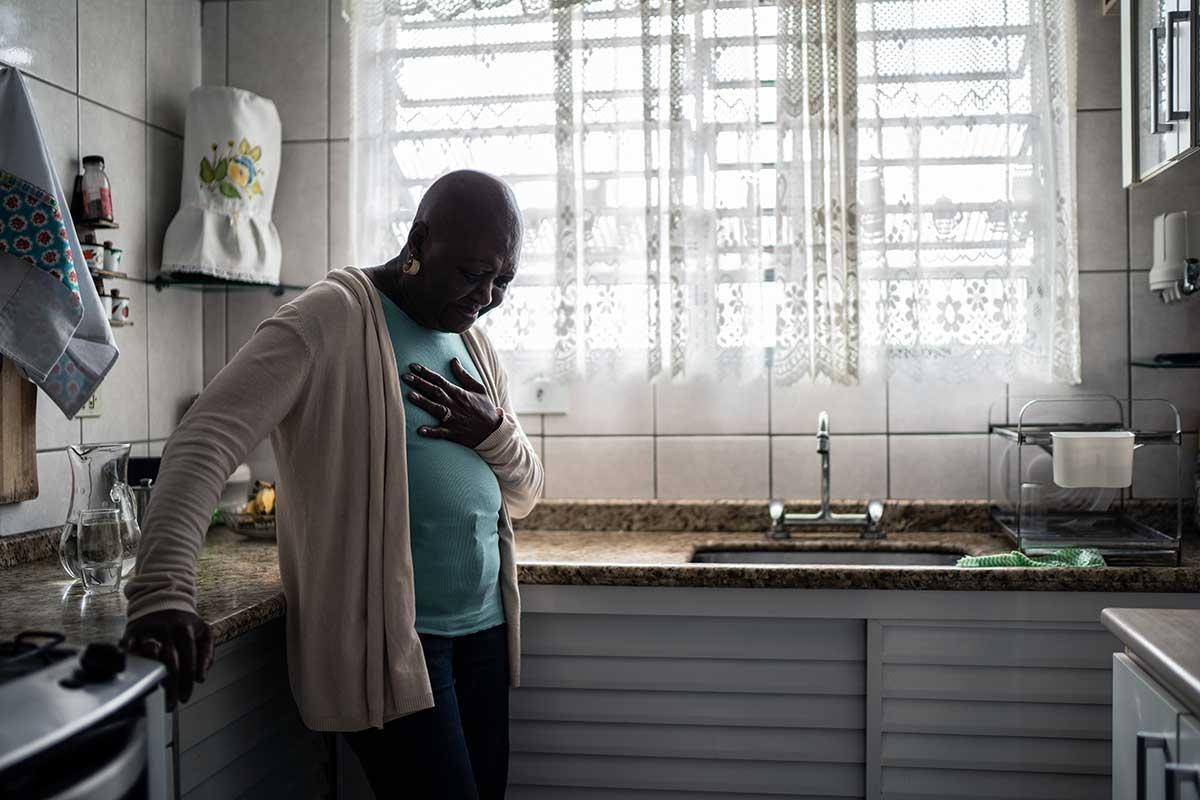
- Chest pain
- Shortness of breath
Should you experience any of the symptoms above, no matter how mild, contact your doctor or visit the nearest emergency room. Delaying care may put you at an increased risk for heart attack and stroke.
COVID-Related Heart Symptoms?
See a conveniently located UVA Health cardiologist ASAP
How do doctors confirm that COVID-19 has affected the heart?
If you have or had COVID-19 and are experiencing heart-related symptoms, your doctor may do bloodwork to test for troponin, a protein in the blood that indicates injury to the heart muscle. You may also have an echocardiogram (an ultrasound of the heart) or an MRI, which can provide a closer look at how your heart is pumping.
What precautions are necessary if you have heart damage from COVID-19?
If your doctor confirms the virus has affected your heart, rest is the best medicine. Avoid vigorous activity for at least 2 to 3 months after your diagnosis.
Damage to the heart can linger long after the virus is done. Before you return to exercise or strenuous work, talk to your doctor about any follow-up care you may need.
Subscribe to Healthy Balance
Get timely health and wellness tips from UVA Health experts. Plus, stories that will move you.
Article Topics
Related Articles