Baby Containers: The Good, The Bad, & What to Do
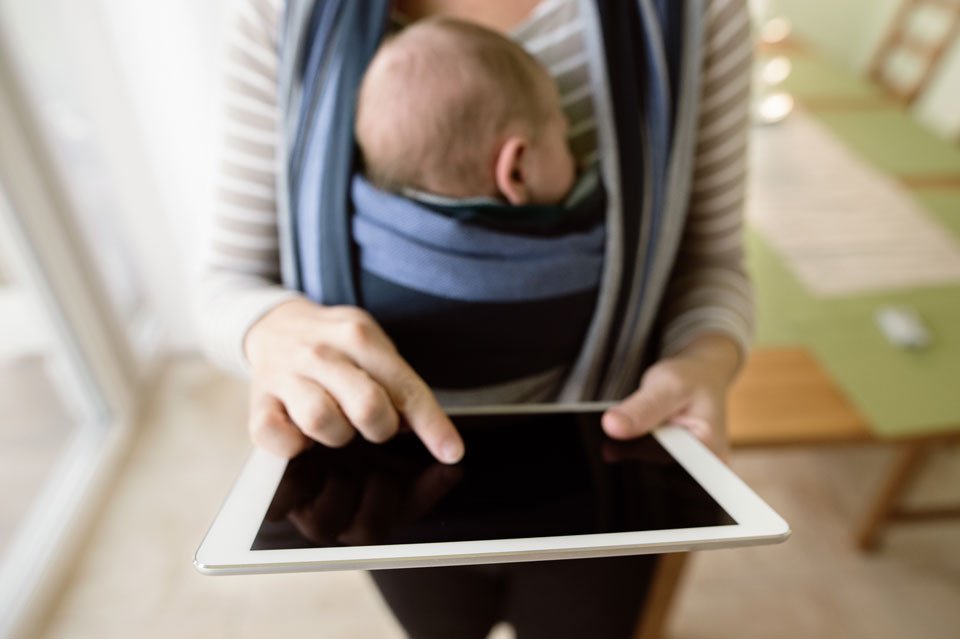
Setting your kids up for a lifetime of health is one of the biggest, and most stressful, parts of parenthood. Every choice, from food to car seat, feels weighty and challenging. With baby equipment, it’s very possible to end up with too much of a good thing. This can lead to babies spending too much time in containers.
For babies, containers are anything that limits their movement. When babies spend too much time in containers, they can end up with underdeveloped muscles. This leads to gross motor delays, and if muscles are developed unevenly, can lead to future problems with joints, including their spine.
But limiting containers entirely also isn’t really possible. If you’re traveling in a vehicle, a car seat is a must. And if you’re going out for a jog, a stroller lets baby come along safely for the ride.
Ann Kellams, MD, is board-certified in pediatrics and lactation and breastfeeding medicine. She shared her thoughts on containers, carriers, and what helps babies develop.
Comfort & Connection
“As humans, we are carriers. Our babies feel most at home when closest to us,” Kellams explains. “During the daytime, that means babies are smart and want to feel secure.”
Skin-to-skin connection is incredibly valuable from a medical perspective. Babies who experience it become more stable, in a very real way.
Heart rate, breathing, and even body temperature are regulated in response to being held. And that feeling of comfort helps to create a lasting bond.
What Are Baby Containers?
Baby containers are loosely defined as anything that restricts movement. This includes:
- Car seats
- High chairs
- Sit-me-ups
- Jumpers
- Bouncers
- Swings
- Nursing pillows
Some of these have special features that offer the novelty of movement or music. But Kellams is clear. While those things are good, they’re not a substitute for human touch.
What Is Container Baby Syndrome?
Container syndrome is when a baby spends so long in a container that they have some physical effects from it. These effects can include:
- Plagiocephaly (a flat spot on their head)
- Delays in sitting, crawling, and standing
- Torticollis (tight neck muscles causing baby to look in one direction)
So, Are Containers Bad?
Only a few containers are truly bad and should be avoided by everyone. Baby walkers (devices with wheels that let babies walk before they’re ready) should be deleted from your baby registry. These are dangerous, and have been connected to some very serious injuries.
Most containers are okay for some ages, but not for every age. “We worry about inclined chairs or seats that are not safe for babies to sleep in until they have full head and neck control,” Kellams specifies.
Some containers aren’t just good, they’re necessary. Strollers help babies get out for fresh air and sunlight. Car seats are the only safe way for children to travel. And when you start solid foods, high chairs keep baby in a safe position to avoid choking.
Other containers like bouncers, swings, and rockers can help a baby feel soothed or delighted. They can also help keep the baby occupied and in line of sight so parents can take a shower.
The American Academy of Pediatrics offers this guide on baby massage to help balance container time.
Normal Development
When your baby is born, their spine is shaped like a ‘c’. Their lack of muscles means that their head needs to be supported at all times. And that’s where they’ll start development.
The world around them is interesting and new, so they’ll try to turn their head to take in more of it. That process builds the muscles in their neck, eventually allowing them to pick their head up and turn it.
As they start wanting to grab things, they’ll learn to push up, eventually developing the lumbar curve they’ll need to sit and stand.
These muscles build upon each other and build in order.

Looking For Developmental Help?
Pathways offers guides to help parents encourage healthy development. They have different recommendations based on age and also for babies with medical concerns.
Encouraging Development
When it comes to improving your baby’s gross motor skills, less is more. You don’t need any gear at all to help improve your baby’s spine health.
Tummy Time
No two words will reduce new parents to tears quite like “tummy time.” For babies who love it (I’m sure they’re out there), it’s probably a wonderful time. But my baby wasn’t a fan for months.
I stuck with it, though. Why? Because the laundry list of benefits was worth a little yelling while we figured out tummy time activities she’d look forward to.
Shoulder, neck, and spine muscles are some of the most important. And tummy time works them all.
Safe Sleep
Putting your baby on their back on a firm surface for sleep isn’t just important for reducing SIDS risk. It also helps improve their spine health while encouraging muscle development.
To help with the risks of a flat head or an overly tight neck, rotate your baby’s crib. If you’re sleeping in the same room, they’ll likely try to turn towards you in the night. By flipping which side they’ll need to look towards to see you, you can help make sure their head and neck develop evenly.
Smile
Don’t underestimate how powerful a motivator it is just to want to see their parents. When you lay across from your baby during tummy time, smile, talk, read, or sing. As baby starts to lift their head to look at you, they’ll be building those crucial head and neck muscles. They’ll also be learning how to social-smile and getting in some bonding time with their new favorite person.
Baby Carriers
Carrying your baby everywhere with you can be amazing for several reasons. It helps with breastfeeding, if that’s something you want to do. It can lull your baby to sleep. And it leaves your hands free, so you can go about your life with baby in tow.
But before six months, you still need to avoid spending too long in the carrier. And you shouldn’t use a carrier while doing risky activities.
Using Containers Well
If you’re cooking dinner over a hot stove, that’s a bad time for a baby carrier. Likewise, if you’re in the shower, the baby shouldn’t be hanging out for tummy time. Containers are a necessity.
So, how do you use them correctly?
Limit Time
In general, babies spend way too long in containers. Some reports show babies spending up to 6 hours in a device. Which is definitely too long.
Overall, you should limit time to about an hour a day (travel time not included). Another good rule is to double however much time they have in a container in floor play.
Avoid Sleeping in Containers
Car seat naps aren’t just feeding into container time. They can also be dangerous. Car seats don’t provide the right support for a baby’s airway.
If you see your baby starting to drift off, place them in their crib instead.
Be Deliberate
Taking a baby for a long walk in a stroller might technically put you over in time-in-container, but if they’re experiencing the outdoors, neighborly conversations, and getting to see your smiling face, it’s still great developmental time.
The Floor Is Your Friend
When in doubt, put the baby down. The floor of a baby-proofed room is a safe place for baby to explore their body freely. Add a few enticing toys for grasping, shaking, and looking.
Gross Motor Delays
Even if you do everything right, your baby may still be a little behind on gross motor skills. Ultimately, babies do everything on their own timeline, and they can’t tell time.
But if your baby can’t:
- Roll over by 6 months
- Sit by 9 months
- Crawl by 12 months
- Walk by 18 months
Talk to your pediatrician. Your baby may benefit from early intervention for physical therapy. These specialists can help your baby develop any missing motor skills and build the muscles they need to catch up on development.
Rarely, gross motor delay can be caused by issues with muscle tone or a neurological condition, and early intervention can help your baby get the treatment they need to thrive.
Article Topics