Who the Heck is Billy Rubin and Why Is My Baby Yellow?
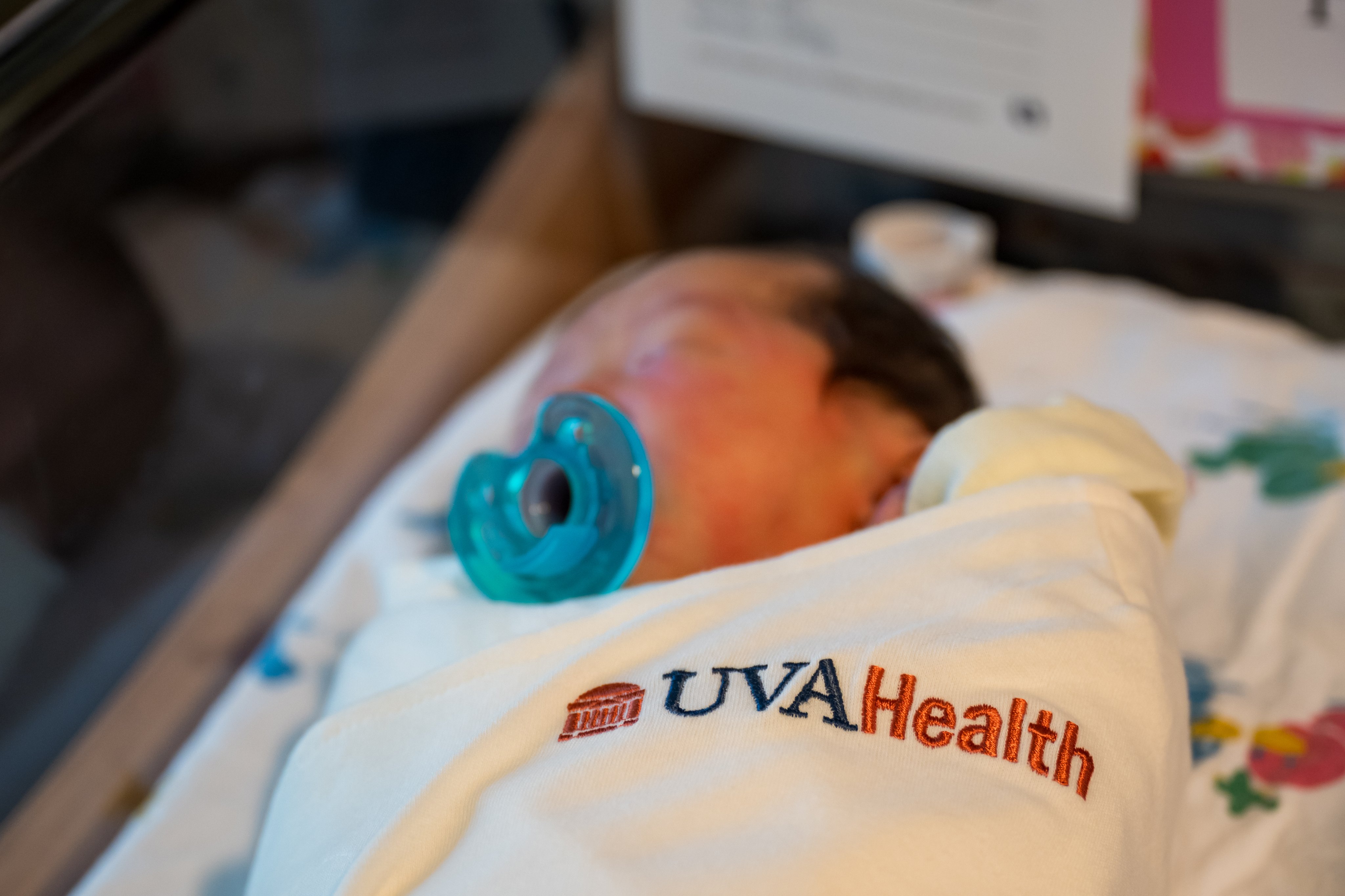
I didn’t notice when my newborn turned yellow (seen through the rose-colored glasses of new parenthood, she looked perfect to me). Then a doctor told me she might need treatment because of “Billy Reuben.” I asked whether Dr. Reuben would be coming to discuss this with me himself. And that was how I found out about "bilirubin" and “newborn jaundice."
There’s something unsettling about a healthy newborn turning a sickly yellow shade. But Priya Tulsi, MD, a pediatrician, wants parents to know it’s incredibly common. “Jaundice is very common in newborns, occurring in 60% of full-term and 80% of premature babies in the first week of life,” she says.
For most babies, this temporary jaundice is just that, temporary. But what causes it? When is it serious? And when should you worry?
It Starts with Bilirubin
Tulsi explains bilirubin. “Bilirubin is a substance resulting from the normal breakdown of red blood cells in the body. The liver processes bilirubin and maintains balance of the substance in blood.”
During pregnancy, the parent’s liver does the work, breaking down bilirubin. But after birth, baby’s liver is responsible for the process. And that liver is still adjusting to a big change.
In healthy adults, the bilirubin that’s filtered out by the liver gets removed when you have a bowel movement. It often takes a baby a while for their liver to develop and start removing bilirubin through pooping.
So, It’s Normal for My Baby to Be Yellow?
It’s common. But it’s not normal, and it still needs to be monitored. Too much bilirubin can lead to a serious complication called kernicterus. This causes:
- Cerebral Palsy
- Hearing Loss
- Permanent Brain Damage
- Cognitive Disabilities or Delays
- Coma
- Death
How Is Bilirubin Measured?
Your baby’s bilirubin can be measured with a simple heel stick. This test may be repeated if their level is high.
Can I Prevent Newborn Jaundice?
No. While some babies have birth circumstances (bruising during birth, premature birth, etc.) that explain the high bilirubin, most don’t.
Doing everything you can to have a healthy pregnancy is always a good idea. But it’s unlikely to make much difference in terms of jaundice.
How Is Newborn Jaundice Treated?
For most babies, the only treatment needed is monitoring and feeding. “Feeding the newborn often, 10-12 times a day, can elicit bowel movements. That helps the newborn get rid of excess bilirubin," Tulsi says.
If your baby’s jaundice is a little more severe, the hospital may recommend phototherapy. During this treatment, your baby’s eyes will be protected by a mask, and they’ll wear a diaper while blue lights shine on their skin.
These special lights convert bilirubin into a form call “lumirubin.” This allows the bilirubin to be passed during urination rather than having to wait for a bowel movement. And as you’ll soon learn, newborns have many, many wet diapers per a day.
Lasting Jaundice
Bilirubin tends to peak around day 3-5 after birth. Your first well visit with your baby’s pediatrician will be around this time, and they can help make sure your baby is on their way to better.
Extremely rarely, jaundice that doesn’t decline after 2 weeks can be a sign of a serious liver disorder called biliary atresia. Many babies with this condition will also have white or light gray colored poop. This condition is incredibly serious, and you should follow-up with the hospital as soon as possible.
Incredibly Common, Incredibly Important
When it comes to newborn jaundice, it’s incredibly common, but it’s also important to know how serious it can become and make sure you’re monitoring it.
If your baby becomes more yellow, isn’t eating, or is hard to wake up, please contact your doctor right away.
Tulsi urges parents “to look at the skin and eyes. Worsening jaundice is indicated by deepening of the yellow, from lemon-yellow to deep-orange. Parents may also notice yellowing of the white part of the eye.”
No Lasting Impacts
For most families, newborn jaundice is one of the first very-scary things that almost always ends up turning out okay. But knowing what to expect can help you feel more informed than scared.
After my baby turned yellow, I was frustrated that none of my friends had talked to me about their own struggles with neonatal jaundice. But after the first year, I got it. Out of all the firsts you’ll have, this one is a tiny bump at the beginning of a very exciting road.
Article Topics