What New Parents Should Know About Newborn Screening
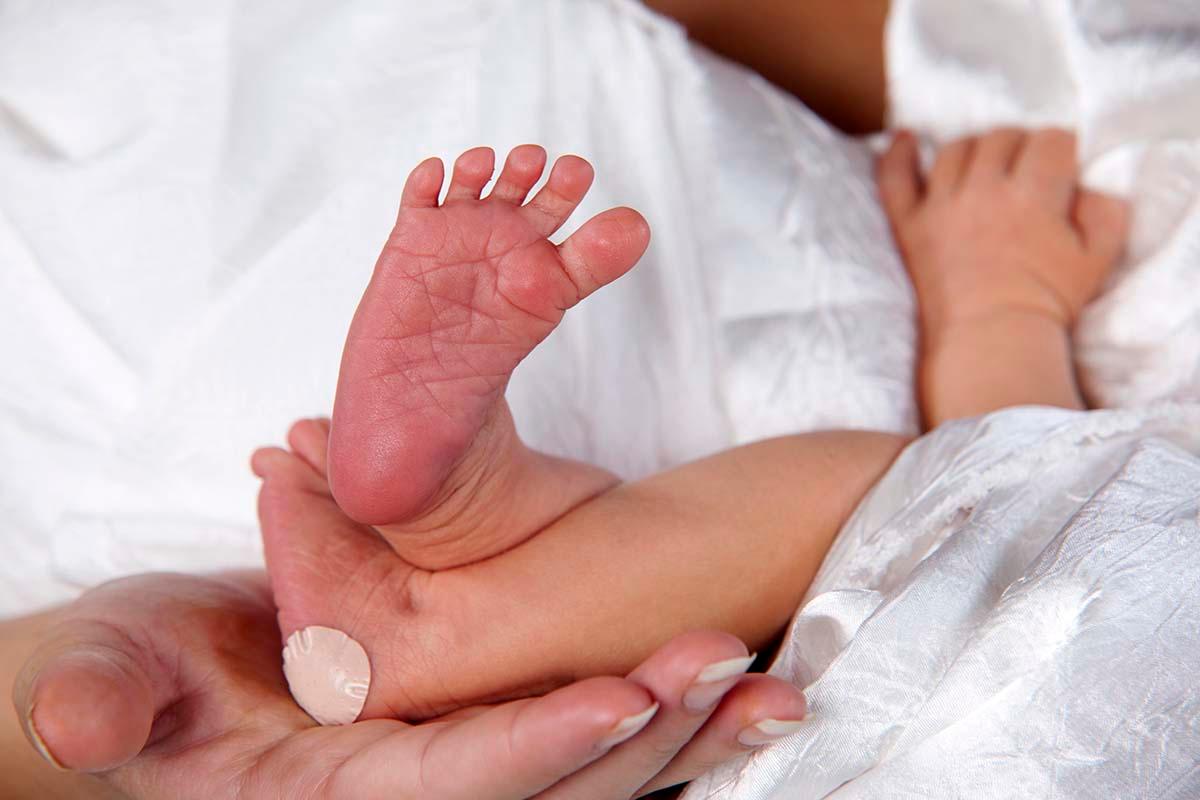
For most parents, the tiny heel stick their newborn gets at the hospital is a nonevent. Sending off a drop of blood to look for a genetic condition is the least exciting of all that happens when welcoming a new child. But if your newborn screening results come back abnormal, the test’s importance becomes clear.
We talked to William Wilson, MD, a pediatric geneticist with UVA Health Children’s about the newborn screening test. With 44 years of experience, he’s seen many lives saved by newborn screening. But he’s also aware of the shortcomings. And he’s witnessed how an abnormal test result can throw a family into panic-mode.
Whether you’re waiting on results, have gotten an abnormal test result, or have gotten a normal test result and aren’t sure what it means, here’s what every new parent should know about the newborn screening test.
Is Every Newborn Screened for Genetic Conditions?
“They’re supposed to be,” Wilson says. At the hospital, pediatricians take care of sending off the blood sample for testing. In a homebirth, nurse midwives can do this.
Every state in the United States requires newborn screening.
“It’s in service of the child,” Wilson says. “By identifying these children early, we have the best chance at securing a better life for them.”
Concerned About a Genetic Condition?
If you have a family history of a genetic condition, talking to a genetic counselor can give you the answers you're looking for.
What Happens If My Child’s Test is Abnormal?
Most test results are normal. An estimated 94% of newborn screenings come back without event. Wilson doesn’t see any of those. “We only see the abnormal ones. And that’s about 5 phone calls a week."
Usually, pediatricians share these test results with parents right away. But unusual test results require additional, in-depth testing. UVA Health Children's Pediatric Genetics Department is one of the places parents can go for this. Genetic counselors can help with additional testing, and can also talk to families about risk factors.
“Of all the abnormal test follow-up we do each year, only 10 to 20% will end up actually having a diagnosable condition,” Wilson adds.
This doesn’t mean the screening test isn’t very good.
Screenings flag kids who need more testing. A useful and good screening catches all children who could be positive. To do that, it needs to cast a wide net. Setting conservative abnormal test values makes sure the net is as wide as possible. This means a lot of things can trigger an abnormal test result.
“Studies have shown that prematurity and illness can affect the test results,” Wilson says. That can mean abnormal results that won't be tied to a disease. But the only way to know for sure is with follow-up testing.
Newborn Screening Results Vary Widely
When we’re talking about screening for genetic conditions, you might only think of 2 results: normal, and everything else. Things aren't as clear-cut with a positive (abnormal) newborn screening result.
Positive, a Range of Abnormal
“Positive” screening results have a wide range, from a little bit off to very concerning. When the results look very concerning, you and your provider will find out quickly. Emergency situations can also be tied to getting faster results.
Other times, a positive abnormal screening result means something is just a little bit off. Your regular provider may reach out to talk about a good time for follow-up testing. They may ask about symptoms to see if you’ve spotted anything out of the ordinary.
Most conditions we screen for tend to bring on symptoms quickly.
Borderline Test Results
Borderline screening values are those just past the edge of normal. These tests require follow-up. But usually, they don’t result in a serious diagnosis. If anything, they can mean a milder condition.
You’ll probably still talk through symptoms with your provider.
Negative Test Results
Cut-off values are set to catch all babies that need additional screening. So there really aren’t false negatives. If you get a negative, you can put your mind at ease about the conditions this screening checks for.
What Conditions Do We Screen For?
Every state tests for a slightly different list of conditions. Most start with a list called the Recommended Universal Screening Panel (RUSP). This list is generated by the Advisory Committee on Heritable Disorders in Newborns and Children (ACHDNC). They’ve designated 35 conditions as being the “core conditions.”
A core condition is one that:
- Has a specific test that’s very accurate
- Is a well-understood medical condition
- Is treatable
- Finding it early impacts the family significantly
Virginia tests for all 35 core conditions. Like many states, we’ve accepted RUSP’s criteria, which has existed in some form since the beginning of newborn screening in the 1960s.
What about adding new tests? Wilson points out, “The screening has to be adequate.” Otherwise, he says, we’ll unnecessarily create anxiety from an abnormal test result that turns out to be nothing. Though fleeting, these events are traumatic for new parents.
What Are The Most Common Conditions Found?
Many conditions we test for are rare. The first condition that newborns were ever screened for (phenylketonuria) only affects 1 in 10,000 infants. That’s 10 babies in Virginia this year.
But some conditions are more common. This includes sickle cell disease and cystic fibrosis.
The newborn screening also looks for congenital heart defects and hearing problems. We do these tests in the hospital. These screenings find a problem more often than genetic blood tests. Congenital heart defects are the most common birth defect, with 1% of all children affected.
One of the Most Important Public Health Initiatives
Before newborn screening, many children suffered harm we couldn’t reverse. Some conditions, like the ones that affect metabolism, can devastate in very little time.
But when treatment starts early, these children get the opportunity to thrive.
Is newborn screening worthwhile? Wilson doesn’t hesitate. “The newborn screening is one of the most important public health initiatives of all time,” he says. Since the test was first implemented, countless babies have been diagnosed, treated, and gone on to live their lives.
Subscribe to Healthy Balance
Get timely health and wellness tips from UVA Health experts. Plus, stories that will move you.