Transdermal Patches: Convenient, but Use with Caution
Kristin Wenger, education coordinator for the Blue Ridge Poison Center, contributed this post. It's repurposed from The Antidote, the poison center's newsletter.
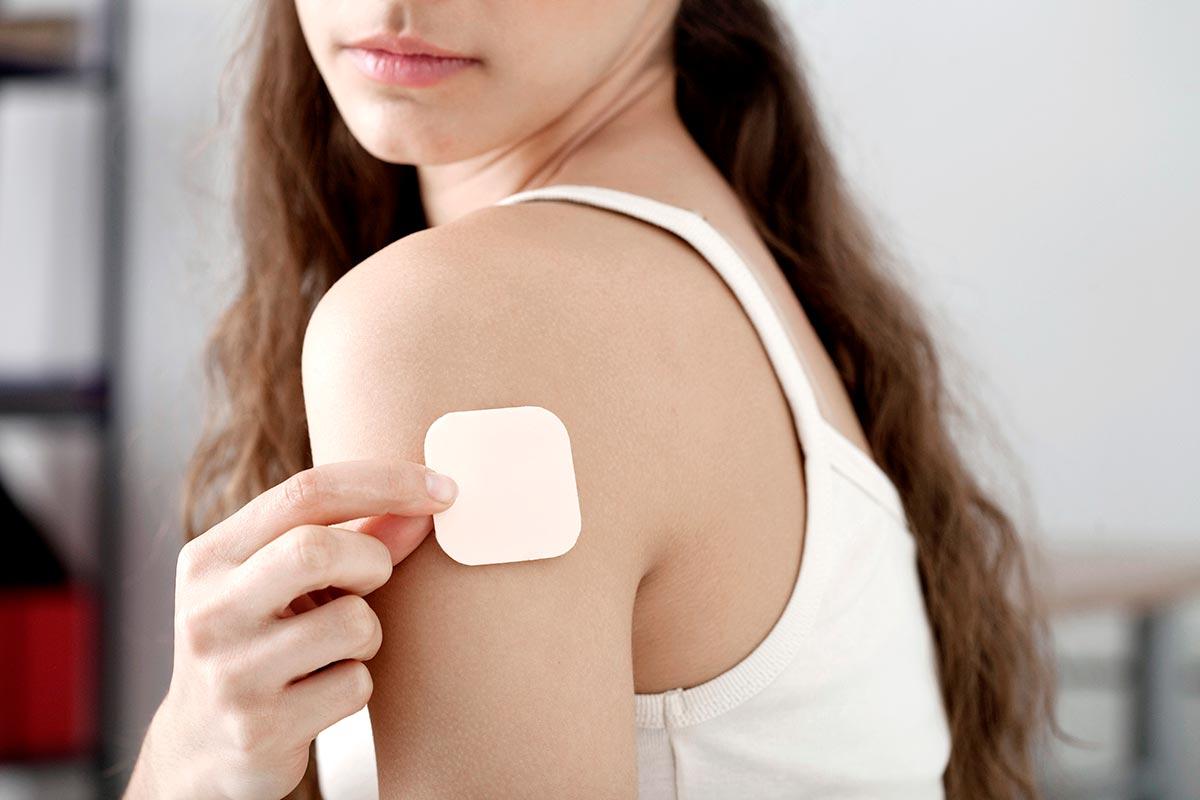
Do you have trouble swallowing pills? Do pills upset your stomach? If so, you might try a medicine patch. You wear this sticky patch, called a transdermal patch, on your skin for a prescribed amount of time. The patch releases medicine into your body through the skin. This slow, steady release of medicine gives you:
- A consistent level of medicine in your body during the day
- Relief from having to remember when to take your pills
Types of Transdermal Patches
You can get many medications in patch form, including:
- Hormone replacements
- Birth control
- Nicotine, to help you stop smoking
- Motion sickness drugs
- Drugs that treat angina, a painful cardiovascular condition
- Pain relievers
Transdermal Patch Safety
If you use a transdermal patch, take steps to avoid an accidental overdose and harmful side effects.
According to the FDA, one man died after his wife misunderstood the instructions and put 6 prescription pain relief patches on his body at once. Other people have gotten sick by forgetting they're wearing a patch and taking other medicines or substances, such as alcohol, that interact poorly with the patch medication.
You may also:
- Become confused about when to change the patch
- Put the patch on the wrong part of your body or on inflamed skin
- Put a heating pad on the patch, which releases the drug faster
Having multiple caregivers taking turns changing your patch can also lead to mistakes.
Dump Those Outdated Drugs
Get rid of your old medicines by putting them in the safe take-back receptacles at our Lee Street and Zion Crossroads pharmacies.
How to Avoid a Drug Overdose
Transdermal patches are convenient, especially if you can't take pills. Follow these steps to prevent an overdose or other safety issues:
- Avoid dangerous interactions. Be sure your doctor knows about every other medicine you take, including over-the-counter products and supplements, before you start using a patch.
- Read the instructions. If anything is unclear, ask your doctor or pharmacist. When it comes to medicine, there's no such thing as a “stupid question.”
- Wash your hands after applying a patch to yourself or someone else.
- Check periodically to make sure the patch is still in place, especially after sleeping, changing clothes, or showering.
- Keep the patch intact, unless the directions say otherwise. Don’t cut them into smaller pieces or open them in any way.
Keeping Patches Away from Kids & Pets
To a child, medical patches look like stickers or harmless bandages. Many reports tell stories of children finding patches and sticking them all over their body.
Children will also chew, suck, or swallow patches. One child stuck 6 medicine patches to the roof of her mouth. They can also discover a used patch in trash cans, which can have enough medicine still in it to cause harm.
Steps to protect kids and pets:
- Store patches out of the sight and reach of little ones.
- If you discover a patch missing from your body, stop everything. Find it before your child or pet does.
- When you remove a patch, fold it in half so that it sticks to itself, before throwing away. Some manufacturers recommend flushing used patches if you have young children. Kids and pets can retrieve a patch from a trash can and pry it open or swallow it.
If you suspect a child has had contact with a patch, or swallowed one, call the Blue Ridge Poison Center right away. Don’t wait for symptoms. Call 1.800.222.1222 24/7.
Subscribe to Healthy Balance
Get timely health and wellness tips from UVA Health experts. Plus, stories that will move you.