Raw Milk: Hype vs Reality
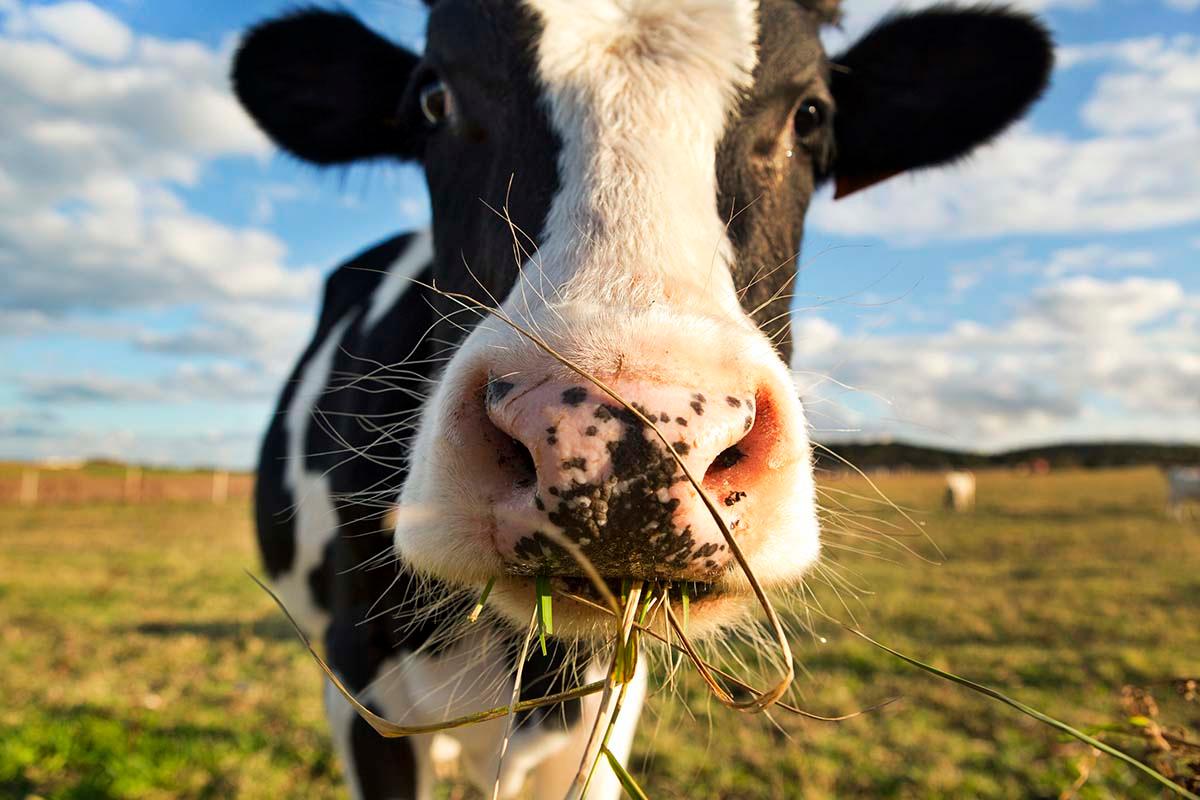
Given the choice, most of us prefer fresh food. Processing food often means adding ingredients to make it shelf-stable that aren’t exactly healthy. So, you can understand why the idea of raw milk, or milk that’s “fresh from the cow” would have a certain appeal.
Isn’t raw milk just more natural, organic, and healthy?
That’s what many people think.
Pasteurized vs Raw Milk
If you buy your milk from the grocery store, then it’s gone through pasteurization. This simple heating process kills harmful bacteria, like tuberculosis and listeria, as well as viruses. But some people also think the process kills good bacteria and leads to problems like lactose intolerance.
Are they right?
To UVA Health Children’s pediatrician Joshua Jakum, MD, the issue is clear-cut. “Raw milk does not resolve lactose intolerance, treat asthma, or improve allergies. Raw milk does not offer any nutritional superiority.”
What Risks Are There with Raw Milk?
Raw milk can carry a range of diseases. In recent years, most outbreaks related to raw milk have been due to:
- Listeria
- Salmonella
- E. coli
- Campylobacter
Other illnesses killed by pasteurization include tuberculosis and bird flu.
H5N1 has been found in raw milk samples around the country. Learn more about bird flu and how to stay safe.
Who Is Most at Risk with Raw Milk?
“Young children (under the age of 5), adults over 65, pregnant women, and those immunocompromised are at the greatest risk of serious illness from the bacteria in raw milk and milk products,” Jakum says.
Of particular concern are the significant increases in toxoplasmosis or listeriosis infections during pregnancy. These infections can cause stillbirth, preterm delivery, and neonatal infections.
“A specific bacterium, E. coli O157, is associated with a dangerous diarrheal disease and kidney failure in young children,” he says.
Do People Frequently Get Sick from Raw Milk?
Most people don’t drink raw milk at all. But even with a small number of people drinking raw milk, outbreaks of illness happen.
“Between 1998 and 2009, there were 93 illness outbreaks, 1,837 illnesses, 195 hospitalizations, and 2 deaths,” Jakum adds. As a pediatrician, he’s especially passionate about sharing the risks because “79% of outbreaks involved at least 1 person younger than 20.”
And the numbers are rapidly increasing. Between September 2023 and March 2024, a 4-state Salmonella outbreak infected 171 people. 22 of those needed hospitalization. The median patient age was 7.
Certainly, some risk of illness caused by food is unavoidable. With milk, we can easily avoid this risk by drinking pasteurized milk. It’s easy to get and not expensive.
Which makes raw milk a pointless risk.
Is Raw Milk Healthier?
No.
Pasteurization doesn’t get rid of vitamins or fat content. It only kills the things that could make you sick. And really, if you get E. coli, not much else about your diet matters.
So, the Nutritional Content Is Identical?
Interestingly, vitamin content does shift during pasteurization. The process increases vitamin A but decreases vitamins C and B2.
Most doctors and dietitians consider this a great trade. Without dairy, many wouldn't get enough vitamin A in their diet. The B2 content of pasteurized milk is still very good.
Most farms that pasteurize also fortify their milk with Vitamin D. Vitamin D, coupled with the calcium and fat needed to digest it, offers a ton of benefits:
- Better bone health
- Immune booster
- Decreased diabetes risk
- Improved strength
- Better mood
Vitamin D is also the only added ingredient in pasteurized milk.
But What About the Probiotics in Raw Milk?
One claim you may come across is that raw milk offers probiotics. Probiotics are bacteria that can support a healthy gut biome, improve digestion, and build immunity.
It turns out that clean raw milk doesn’t have probiotics. In fact, when tested, the only samples of milk with any probiotics were those contaminated with feces. The bacteria came from the poop. Not the milk.
Is Raw Milk Easier to Digest for People with Lactose Intolerance?
People with lactose intolerance don’t have enough lactase to break down the lactose (a type of sugar) found in milk. This results in bloating, abdominal pain, and other digestive symptoms. All milk has lactose. Raw milk, pasteurized milk, and even goat milk will all cause symptoms in those with lactose intolerance.
So why then do some people find it easier to drink unpasteurized milk?
Not all abdominal discomfort following milk consumption is lactose intolerance. While true lactose intolerance will react to any milk, other sensitivities can be accommodated.
Concerned About Your Child's Nutrition?
Talk to your pediatrician about next steps.
What If You Like Having Cream on Top?
A lot of people love the cream that forms on the top of fresh farm milk. And it can be very useful for some forms of cooking. But you can get the cream on top from pasteurized milk.
That’s because homogenization and pasteurization aren’t the same thing.
Pasteurization is heating to remove harmful bacteria. If you just pasteurize your milk, it’ll still separate and create the creamy top layer.
Homogenization, on the other hand, is a process that breaks apart milk fats so they won’t separate. You can buy “cream top” that’s non-homogenized but pasteurized — safe to drink.
But Humans Drank Raw Milk for Thousands of Years, So Why Can’t We?
It would seem that anything "paleo" feels more authentic sometimes. But it’s worth noting that humans have always noticed problems and tried to fix them.
Case in point: Just because people couldn’t explain pasteurization doesn’t mean no one was doing it. We’ve found evidence of people boiling their milk from 9,000 years ago.
Why? They probably noticed that people died less when they boiled their milk. “Death by dysentery” used to be one of the major causes of death. And a lot of times, it was caused by foodborne pathogens.
Another thing to remember: General life expectancy and child mortality rates were very different before many of the safe-eating practices we have today. We boil water to get rid of parasites. We get vaccines to avoid lethal diseases.
Pasteurized Milk Offers More Benefits, Less Risk
It can be hard to know what is and isn’t worth the risk. It’s especially challenging when considering the health and safety of your children. But you can get all of the benefits of raw milk without the risks.
Milk is one of the healthiest beverages around. It’s a vitamin powerhouse with healthy fats. This is important, since many of the vitamins in milk need fat to be properly used by your body. And the best part is that the regular milk you get out of your grocery store’s dairy fridge is the safest way to get these benefits.
If plain homogenized whole milk isn’t working out for your family, try out the many milk variations:
- A2A2
- Creamtop
- Organic
- Grass-fed
- Lactose-free
- Goat
Many small dairies even offer vat pasteurized milk, which is slowly brought up to 145 degrees and then held there for a half hour. This kills all pathogens, but many former raw milk drinkers say it preserves the flavor they’d come to enjoy. And it helps support local farmers.
As long as the milk is pasteurized, it’s sure to offer vitamins and nutrients, without a single serving of illness.
Additional Reading:
FDA: Raw Milk Misconceptions
CDC: Raw Milk Food Safety
ABC: A1 vs A2 Milk
Subscribe to Healthy Balance
Get timely health and wellness tips from UVA Health experts. Plus, stories that will move you.
Article Topics
Related Articles