A Parent’s Guide to Allergy-free School Lunches
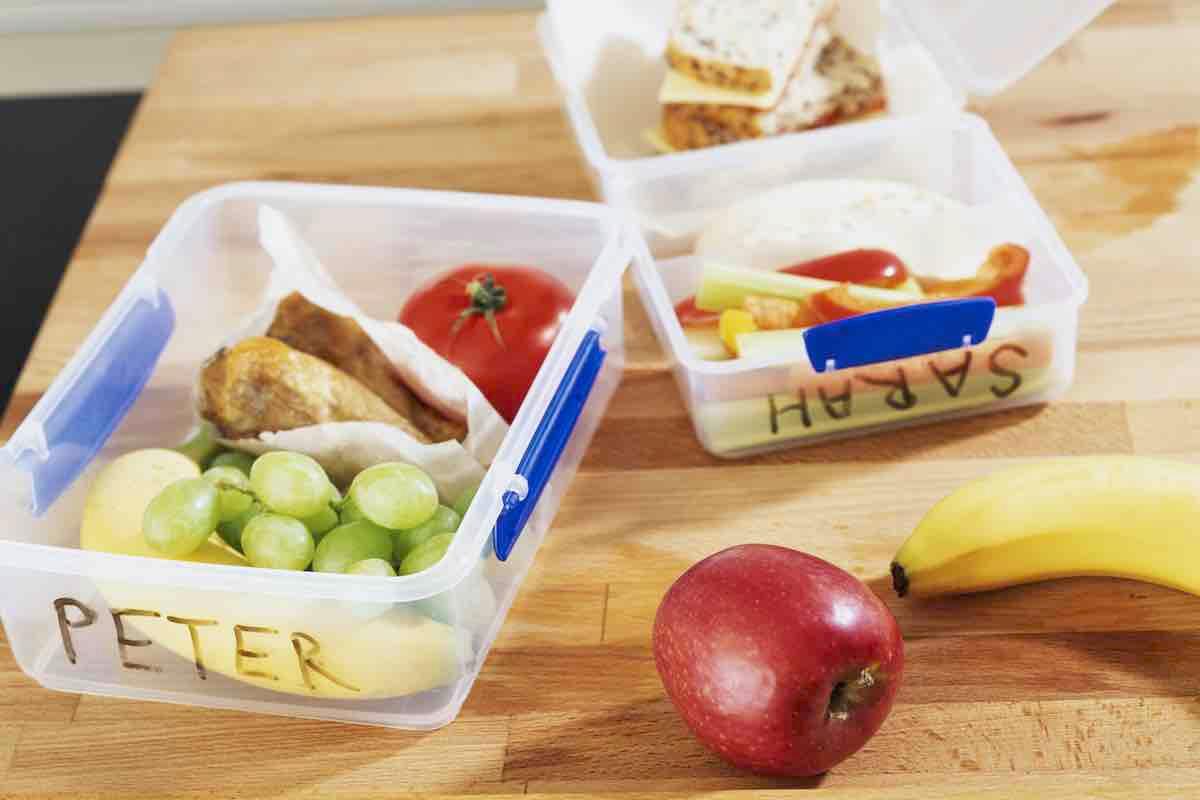
We eat with our eyes first — different colors and shapes can encourage kids to try new foods
Milk, wheat, soy, egg, fish, shellfish, peanuts, tree nuts, sesame: These are the most common foods that can cause allergic reactions. Peanuts, tree nuts, fish, and shellfish are more likely to cause anaphylaxis, a severe, potentially life-threatening allergic reaction. You may notice your child’s school has put restrictions on bringing certain food items for allergy-free lunches.
We’ve enlisted the help of Tegan Medico, a dietitian who specializes in pediatrics, to suggest some allergy-free alternatives that are safe in the cafeteria.
Allergy-free Alternative Lunch Items
Make sure lunches accommodate your child’s specific needs while still providing the nutrients necessary for a healthy and happy student.
“Kid-friendly school lunches can be anything!” says Medico. “All food is ‘kid-friendly’ if it includes balanced and nutrient-dense options that are enjoyable for the child.”
Milk Alternatives
The main nutritional concern of a dairy-free diet is inadequate calcium and vitamin D intake, Medico says. Fortunately, most major brands of alternative milks (e.g., almond, coconut, soy, rice) are fortified with calcium and vitamin D, so they’re convenient substitutes for the dairy-restricted child. One disadvantage is that many varieties are low in calories and protein, which makes them less suitable for children under age 5.
Protein
Every balanced meal needs a protein source. Consider these options if they're safe for your child:
Dairy-based proteins:
- Milk
- Cheese
- Yogurt
Plant-based proteins:
- Nuts
- Seeds
- Legumes
Meat-based proteins:
- Beef
- Chicken
- Turkey
- Pork
- Egg
Seafood-based proteins:
- Fish
- Shrimp
Legumes
Beans, chickpeas (garbanzo beans), and lentils provide protein, starch, fiber, and an array of vitamins and minerals for allergy-free lunches. They can help make up protein gaps with dairy, fish/seafood and/or egg allergies. And they’re also a nutritious starch alternative for wheat.
Canned legumes are easy. Dry legumes can be boiled ahead of time and stored for quick additions to salads, salsas, soups, and rice. They can also be seasoned and roasted or pureed and to make dips to pair with sliced vegetables or crackers.
It’s important to note that soy and peanut are legumes, but they're also common allergens.
Whole Grains
Nutrient-dense wheat-free whole grains include:
- Brown rice
- Quinoa
- Millet
- Buckwheat
- Oats
- Barley
Find a Pediatric Dietitian
UVA Health Children’s has registered dietitians who can assess your child’s nutrition and diet needs.
Barley contains gluten, so while it may be appropriate for a wheat allergy, it’s not for those with celiac disease.
Similarly, most oats contain traces of wheat from processing, so it’s important to choose brands labeled “gluten-free” to ensure allergy-free lunches.
Fruits and Vegetables
The plethora of fruits and vegetables available provide countless lunchtime options for kids with food allergies. They should be included in every meal.
Make Lunch Fun & Desirable
“We first eat with our eyes,” says Medico. “Incorporating different colors and shapes can increase interest and enjoyment of lunches, encouraging children to try new foods.”
A variety of age-appropriate textures (moist, crunchy, smooth, chewy, etc.) can help to improve the sensory experience of eating. Using simple meal components instead of mixing items also helps children identify what they’re eating. You can also try making meals more interactive by adding spreadable items like dips.
Additionally, food should be appropriate for the child's abilities. Avoid choking hazards and hard-to-cut foods for younger ages.
Well-balanced Nutrition Every Time
Created by the United States Department of Agriculture, MyPlate is a pictorial representation of a balanced diet that breaks meals into specific food groups. With appropriate substitutions, this tool can help you make well-balanced and nutritious meals. Not every meal has to match MyPlate perfectly every time, but using it regularly as a guide helps ensure your child’s nutritional needs are met.
Subscribe to Healthy Balance
Get timely health and wellness tips from UVA Health experts. Plus, stories that will move you.
Related Articles