Navigating Mental Health as a Minority: 4 Ways to Take Care Now
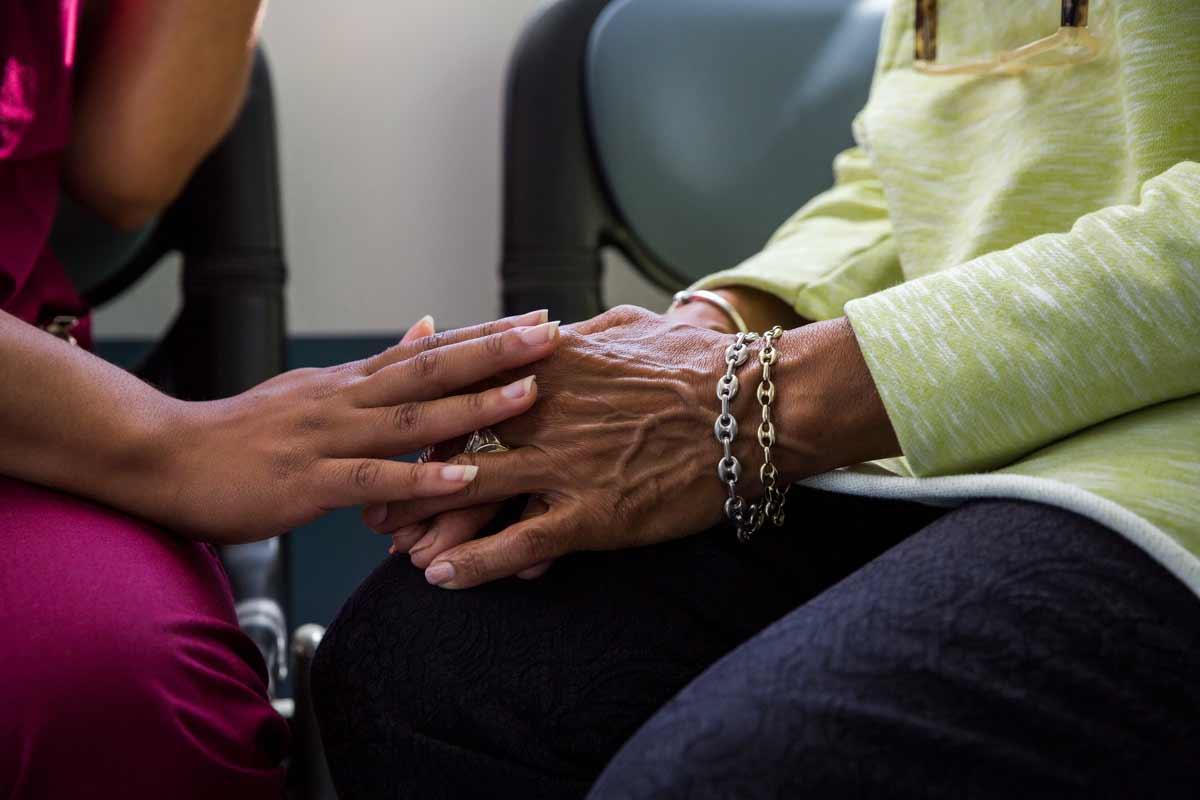
Taking care of your mental health as a minority is key to overcoming societal trauma.
Mental health and self-care have become hot topics in recent years. However, not everyone’s trauma looks the same. Because of this, not everyone seeks or receives treatment.
And without treatment, mental health crises can have fatal results.
In 2019, suicide was the leading cause of death for Asian, Native Hawaiian, and Pacific Islander populations between the ages of 15 to 24 in the United States. It was the second leading cause of death for American Indian/Alaska Natives between the ages of 10 and 34; Black or African Americans, ages 15 to 24; and Hispanics, ages 15 to 34.
I can relate to mental health challenges. As a bi-racial woman myself, feelings of anxiety have followed me from childhood into my adult life. My therapy journey started in middle school when I began seeing the school counselor once a week. I’ve seen three different licensed therapists on and off since 2011.
In some ways, I’ve been lucky and privileged. I sought out and was able to find help.
But people of different ages and backgrounds don’t always feel comfortable doing that. My Nana — a Black woman and a part of the Baby Boomer generation — is currently going through a big life change. I felt her hesitancy toward therapy. After speaking candidly and nonchalantly about seeing a therapist for years, I felt accomplished in hearing some of the hesitancy in her voice fade.
Minority Trauma Harms Mental Health
Minorities can face a unique set of mental health stressors and challenges. These can stem from cultural stigma, racism, social determinants of health, and health disparities.
Diversity, Inclusion, & Equity at UVA Health
These are core values at UVA Health and reflected in our services for patients and families.
UVA Health Director of Diversity and Community Engagement, Melody M. Pannell, explains her experience growing up as a bi-racial girl in Harlem, New York City. She says, “I experienced vicarious trauma and secondary trauma from my environment and from the many systemic ways in which BIPOC (Black, Indigenous, and people of color) communities were oppressed, marginalized, and defined in our society.”
She explains that, in recent years, “There's been a resurgence of trauma exposure that has triggered a multifaceted and multigenerational mental health crisis, particularly for our front-line workers and caregivers representing BIPOC communities.”
Understanding how these large issues affect you personally can help you figure out what kinds of self-care you need.
Ways to Take Care of Your Mental Health as a Minority
1. Take a Break From Social Media & News Outlets
While it’s great to stay informed, it’s okay to take breaks from negative news headlines. They take a toll.
Burnout is a common phrase for a form of exhaustion. Most of us are becoming aware of the consequences of this phenomenon at our daily jobs. But it can also occur in our personal lives. Similar to taking breaks from work to reduce your chances of burnout, it’s also important to take breaks from social media and news outlets to protect your emotional capacity.
2. Set Aside Alone Time
Our minds are constantly stimulated by our environment and those around us. This can lead to feelings of overload and anxiety.
Be sure to set time aside to relax and practice self-care. Self-care can help manage stress and increase energy. It doesn’t have to mean a bath or spa. Try:
- Going for a walk
- Listening to music
- Reading
- Mindful breathing
A tip from Lisa Poirier, a nurse practitioner with UVA Behavioral Health Manassas, is to practice mindfulness. Paired with regular exercise, a healthy diet, and regular sleep schedule, this meditative habit can reduce anxiety.
“A lot of the time, we’re rushing to the next thing or focusing on past situations. Being fully present, aware of where you are and what you are doing, and not overly reactive or overwhelmed by what is going on around you is helpful in handling day-to-day stressors and mitigating anxiety,” says Poirier.
Mindfulness seem mysterious? It’s easy to get started with:
- Apps like Insight Timer
- YouTube
- This blog on mindfulness and mindfulness-based stress reduction
3. Spend Time With Your Support System
As a balance to the previous tip — don’t isolate yourself too long. Poirier says that isolation can worsen episodes. Support systems are shown to reduce stress and anxiety, and this type of support can look different to everyone. She explains, “It can be family, friends, or groups facing similar challenges. These groups ultimately help normalize mental health, so you don’t feel so alone. This helps reduce stigma and normalize mental health treatment.”
4. Seek Professional Help
Research shows that people from racial, ethnic, sexual, and minority groups are less likely to receive treatment for mental health issues than others.
In some cultures, there’s a stigma around the topic of mental health. Some can view it as a sign of weakness, while others entirely ignore the existence of mental health disorders.
Patricia Obeng, NP, a provider at UVA Behavioral Health Prince William, notes that there’s room for improvement on educating our population on mental health. She goes on to explain, “People come in and tell us that they mustered the courage to get help — that is a big hurdle to take. With education and preventative care, hopefully we can help them before it gets to the point where it’s a mental health crisis.”
It could help to seek a counselor or therapist with high cultural competency. They should be able to help recognize your unique challenges and lend tools and resources to help.
How Healthcare Can Help
Healthcare professionals can help reduce disparities in many ways:
- Go through cultural competency training. Cultural incompetency can lead to under-diagnosis or misdiagnosis of minorities.
- Perform routine screenings for depression.
- Reduce the stigma by providing education.
At UVA Health, Pannell takes the challenge of supporting minority mental health as an institutional and community priority and a personal mission:
“In my position as the Director of Diversity and Community Engagement and my training as a mental health therapist, it is my desire to empower UVA Health and our broader community to build the capacity to transform our pain and begin the healing process by understanding trauma, practicing radical self-care, developing resilience, and cultivating radical hope,” she says.
Subscribe to Healthy Balance
Get timely health and wellness tips from UVA Health experts. Plus, stories that will move you.
Article Topics
Related Articles