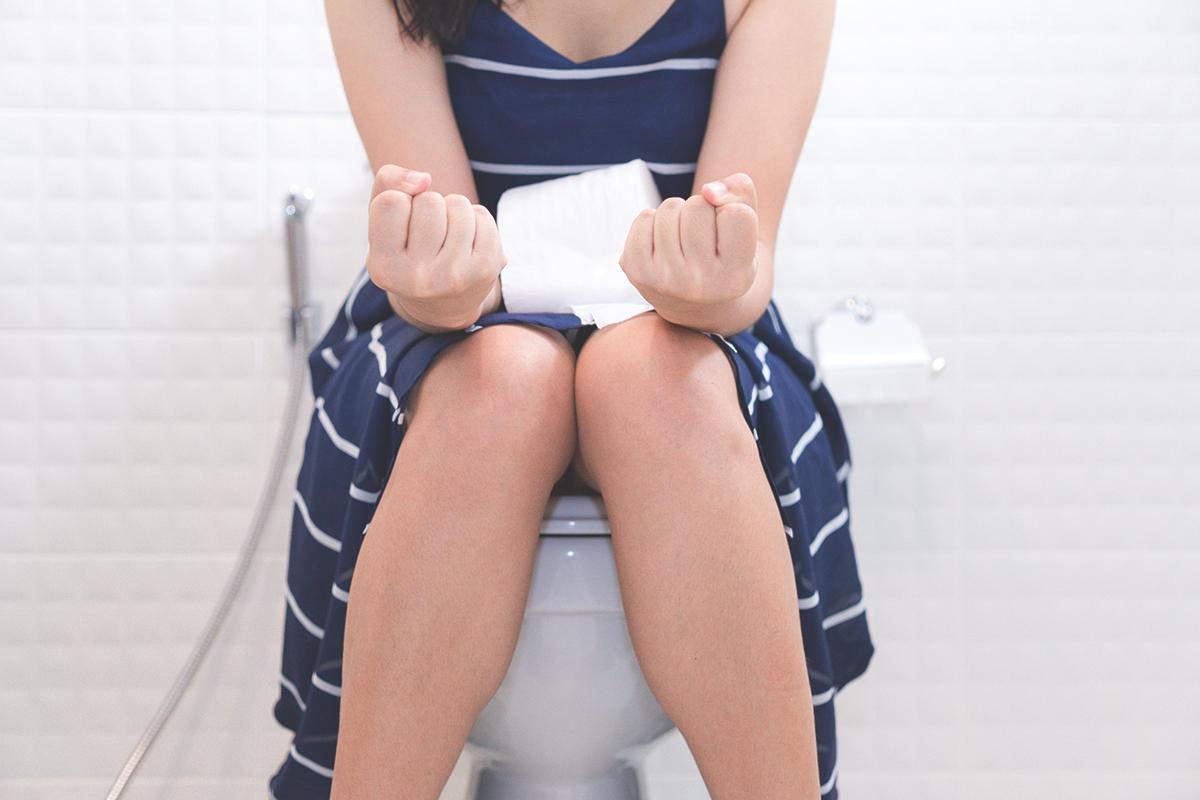
Hurts to Pee? Dos & Don’ts if You Have This Sign of a Bladder Infection aka UTI
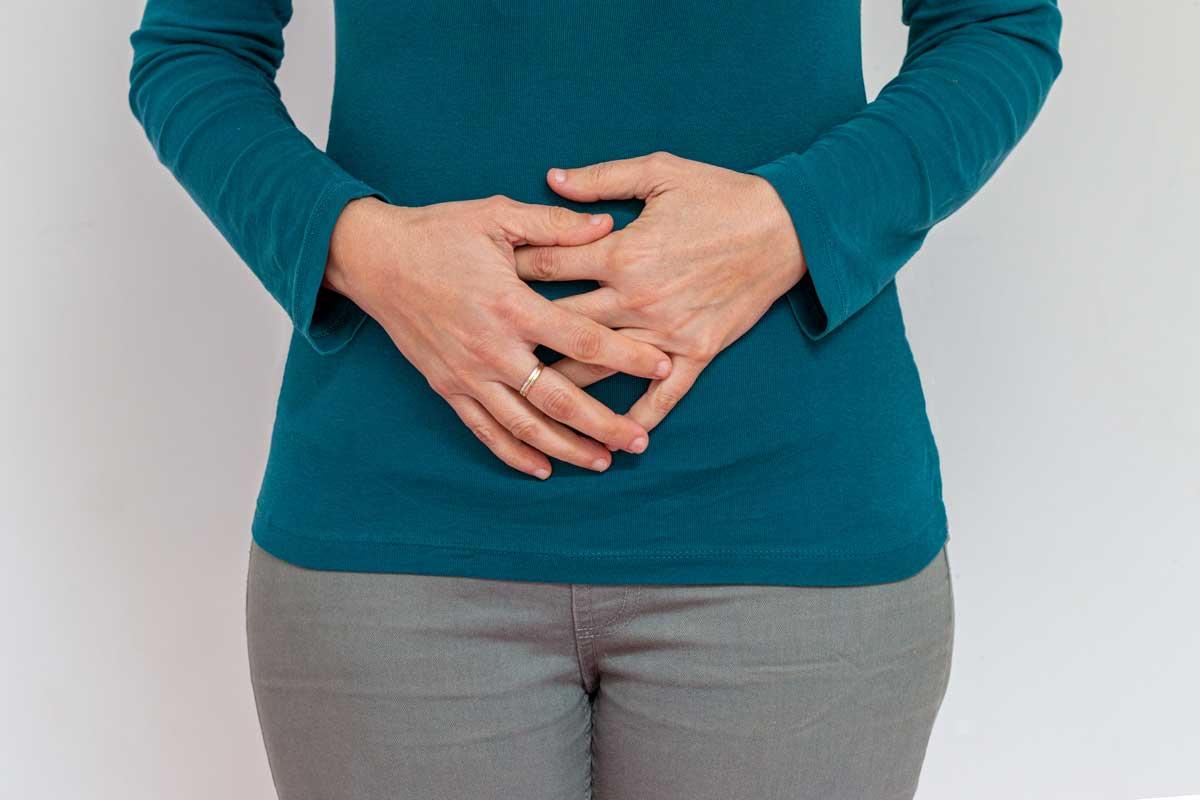
Why does it hurt when I pee? Many of us Google this question. The most likely reason, especially for women, is a bladder infection
This is the most common type of UTI (urinary tract infection). That’s why when we say UTI and bladder infection, we often mean the same thing. But UTI refers to any kind of bacterial infection along the system that makes and eliminates urine from the body. This includes the:
- Bladder
- Kidney
- Prostate
- Urethra (pee tube)
No Antibiotic Until You're Sure It's a UTI
Taking an antibiotic for a few days clears up most UTIs. But before taking an antibiotic, it’s important to make sure you have a UTI. By definition, a UTI diagnosis requires both of these:
- Bothersome symptoms of the bladder
- Lab test showing bacteria in your urine
You just have bothersome symptoms? Or you just have urinary bacteria? Then you don't have a UTI and likely won't need an antibiotic, stresses Haerin Beller, MD, a UVA Health urologist. She explains more on what to do and NOT to do when it hurts to pee. But first, she gives a little background.
Why Women Get a UTI More Often
Because of our anatomy, females are more likely than males to get a UTI. “Women just have a shorter distance for bacteria to get up into the bladder,” Beller says.
Have you gone through menopause? You’re even more at risk for a bladder infection.
Beller explains why: “The hormonal changes that occur after menopause change the microbiome or bacterial environment of the perineum (area between the anus and vagina). This predisposes women to more infections.”
What Does a UTI Feel Like?
The main symptom? It hurts — a lot — when you pee. “People often describe the burning or pain with urination feeling like passing razorblades,” Beller says.
Other symptoms might include:
- Blood in your pee
- Feeling like you have to pee every 10 or 15 minutes
- Feeling like you have to rush to the bathroom
- Fever and chills
- Feeling really tired (especially with a severe infection)
“Women can also have lower abdominal pain as well as lower back pain,” Beller adds.
What To Do When It Hurts To Pee
Go to your primary care provider and get a urine culture done. You’ll need to pee in a cup. A lab will then look for bacteria in your pee.
While you wait for the test results, drink lots of water to flush out your urinary system. Ask your provider about taking an over-the-counter pain reliever AZO to help relieve your pain when you pee.
“It takes about 2-3 days to get the urine culture results. If the results are positive and you have symptoms, you have an infection. You’ll then need to take antibiotics for a few days,” Beller says.
What Not to Do When It Hurts to Pee
Unless your doctor strongly recommends it, avoid taking antibiotics while you wait for the pee test results. If your urine culture is negative for bacteria, taking an antibiotic won’t help and will only add to a widespread problem.
Beller explains: “With the overuse of antibiotics, there's a huge antibiotic resistance problem. More and more people end up needing IV antibiotics to treat just simple UTIs.”
She adds, “A simple bacterial infection of the bladder won’t usually cause problems, even in the elderly. So in most cases, it’s okay to wait a couple days for the urine culture results.”
Bothered by UTI Symptoms, But No Bacterial Infection?
Talk to your doctor about possible other causes for your symptoms. It could be related to your diet, stress, or other problems. Your doctor may check your urine for blood.
Definitely see a urologist if there’s blood in your urine, but no bacteria found in your pee test. Blood in the urine can be caused by:
- Inflammation
- Kidney stones
- Bladder pain syndrome (interstitial cystitis)
- Bladder cancer or kidney cancer (rarely)
“There may be a delay in diagnosing bladder cancer in women when compared to men. Women often think blood in their urine is from a UTI because, as women, we're more prone to them. Women also tend to be less alarmed by blood in the toilet than men and wait longer to tell their doctor,” Beller says.
UTI in a Man Could Point to Another Problem
UTIs are less common in men. Males diagnosed with any UTI (lower urinary tract symptoms + bacteria in urine culture) should see a urologist after they’re treated with antibiotics.
Males may get UTIs when they can’t completely empty their bladder. This can be caused by:
- Enlarged prostate gland
- Underactive bladder muscles
- Narrow pee tube (urethral stricture)
Worried You Have a UTI?
See your primary care provider.
How to Prevent a UTI So It Won’t Hurt to Pee
- Drink lots of water — 8 glasses a day
- Pee often — at least every 3 hours to flush out bacteria. Don’t hold it!
- Maintain a healthy vagina — Avoid douches, spermicidal foam, diaphragms, feminine hygiene sprays, and powders
- Take a cranberry supplement — Any over-the-counter brand is fine. Just make sure it contains a daily 36 mg dose of proanthocyanidin (PAC).
“These are all evidence-based strategies to help prevent UTIs for people who have recurrent infections (at least 3 in a year or 2 in 6 months),” Beller says.
She adds, “Studies have shown that increasing your hydration to keep your system flushed out can reduce rates of UTIs by up to 50%.”
1 Last Don’t Do When It Hurts to Pee
Don’t drink lots of cranberry juice to get rid of a UTI. Juice has too much sugar, which could make matters worse. Cranberry supplements can prevent infection, but won’t help if you already have an infection.
Also, if your pee smells weird or looks cloudy, don’t worry. As long as you feel fine, it doesn’t mean you have a UTI. It’s perfectly normal for urine to look or smell differently sometimes, Beller adds.
Subscribe to Healthy Balance
Get timely health and wellness tips from UVA Health experts. Plus, stories that will move you.