Are Seed Oils Toxic?
Seed oils are apparently the most recent thing trying to kill me. At least according to social media. You can’t even post a picture of your children enjoying a birthday cake without someone creeping into your mentions to ask if you’re really okay feeding them those “toxic” seed oils.
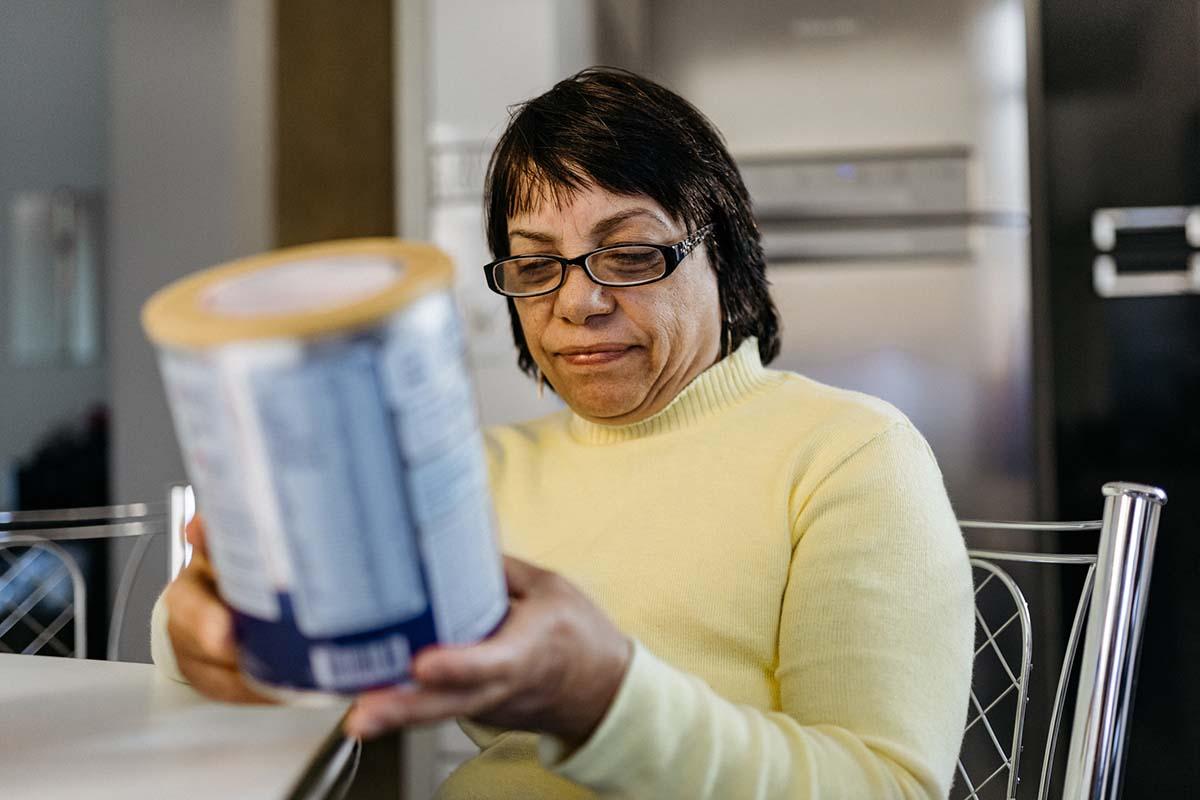
And in parenting groups, anxious parents hunt for "clean" baby formulas that are seed oil-free. But what’s really the deal with seed oils? And is toxic really the right word?
We talked to Katherine Basbaum, MS, RD, a clinical dietician at UVA Health.
“While it’s important for parents to research and make the safest nutrition choices for their children, the infinite amount of information on the internet and on social media can be overwhelming and confusing,” Basbaum says.
What Does Toxic Mean?
Toxic means that a substance can cause death or injury. Lead is toxic. So is arsenic.
But depending on the dose, almost anything can be toxic. Your body needs water and salt for survival. But at high levels, both can also kill you. Really, anything in excess carries health risks.
That’s why most health professionals tend to advocate for “balance.”
Saying seed oil is toxic really needs some kind of qualifier. They're more toxic than water, but less toxic than many other foods. It still can be safely included in your favorite recipes.
Should All Seed Oil Be Avoided?
A balanced diet generally means not consuming oils in large quantities. Whether that oil is sunflower, rapeseed, avocado, or olive, you’re usually only going to use a little bit.
Most of the time, people use oils when they’re cooking. And what oil is best to use depends on what you’re making. While avocado and olive oil may be “healthier” oils, they also carry strong flavors. Brownies made with olive oil might be interesting. But they probably won’t suit most people.
But seed oils aren't always the healthiest option. “It is true that contaminants can form when these vegetable oils undergo the refining process to remove unwanted tastes, colors, or odors,” Basbaum says.
Can Seed Oils Be Healthy?
Everyone should be working towards a balanced diet. But seed oils can be an important part of that. Seed oils have omega-6 fatty acids, an essential fatty acid that provides many health benefits.
Just like omega-3s, omega-6 fatty acids can’t be produced by your body. You need to get them through your food.
The benefits of omega-6 fats aren’t talked about much because we don’t really have to encourage people to eat them. Pretty much all of the ways you can get omega-6 fats are delicious. But there are a lot of benefits:
- Lowers LDL cholesterol
- Keep blood sugar in check
And reduces the symptoms of:
- Diabetic neuropathy
- Rheumatoid arthritis
- Allergies
- ADHD
- Eczema
- High blood pressure
- Menopause
- Multiple sclerosis
- Osteoporosis
- Premenstrual syndrome
Don’t Omega-6 Fatty Acids Cause Inflammation?
They sure do. And that’s part of why you need them. Inflammation is how your body fights off germs and heals injuries.
But too much inflammation, or chronic inflammation, can cause a long list of problems, including arthritis and heart conditions.
Having a Hard Time Knowing How to Eat Well?
You're not alone. And the misinformation online just makes it harder. Make an appointment to talk to a registered dietician and get nutritional advice from an expert.
Why Are People Cutting Out Seed Oils Feeling Better?
For many people, they get seed oils through ultra-processed foods. And ultra-processed foods aren’t good for you. If you have a diet high in these, getting them out of your diet could make you feel a lot better.
But ultra-processed foods, whether they contain seed oils or not, aren’t great for your health.
So, What About Seed Oils in Baby Formula?
Babies need fat and calories. Like, a lot. You’re not getting there without oil. And as noted, you need to get essential fatty acids (like omega-6s) through food.
Hence, seed oils. “Refined vegetable oils are a major component of most infant formulas because they provide essential fatty acids and extra calories that babies need for growth and development,” Basbaum agrees.
She also provides important historical context to the discussion. A decade ago, some infant formulas did have elevated levels of contaminants from refined oil. “Regulating agencies like the Food & Drug Administration (FDA), the Food & Agriculture Organization (FAO), and the WHO (World Health Organization), recognizing how vulnerable the infant population is, developed a code of practice on the use vegetable and seed oils in food production, including infant formulas.”
As of the 2021-2023 surveys, the major infant formula brands have successfully lowered their levels of these contaminants.
Many of the brands trying to make “clean” a selling point will take a particular stance against one type of seed oil or another. That’s not because there’s a difference, they just had to pick one and want to make sure you think that's the "best" one. It's marketing, not science.
Isn’t It Better to Eat Cleaner?
The clean-eating diet craze has some positives and negatives.
Yes. Eating whole foods is an important part of a balanced diet. But it can also become overly restrictive and become another form of eating disorder. Orthorexia nervosa is an unhealthy fixation on eating healthy.
Basically, eating shouldn’t occupy the biggest chunk of your mind or your day.
Seed Oils: Not Actually That Bad
So, like most oil, in moderation, seed oil is fine. If you’re going to cut something out of your diet, start with overly processed or ultra-processed food, no matter the seed oil content.
And you can give up the hunt for an oil-free infant formula. They don’t exist, and you wouldn’t want one if they did.
Subscribe to Healthy Balance
Get timely health and wellness tips from UVA Health experts. Plus, stories that will move you.
Article Topics
Related Articles