How Brain Injuries Can Trigger Alzheimer's
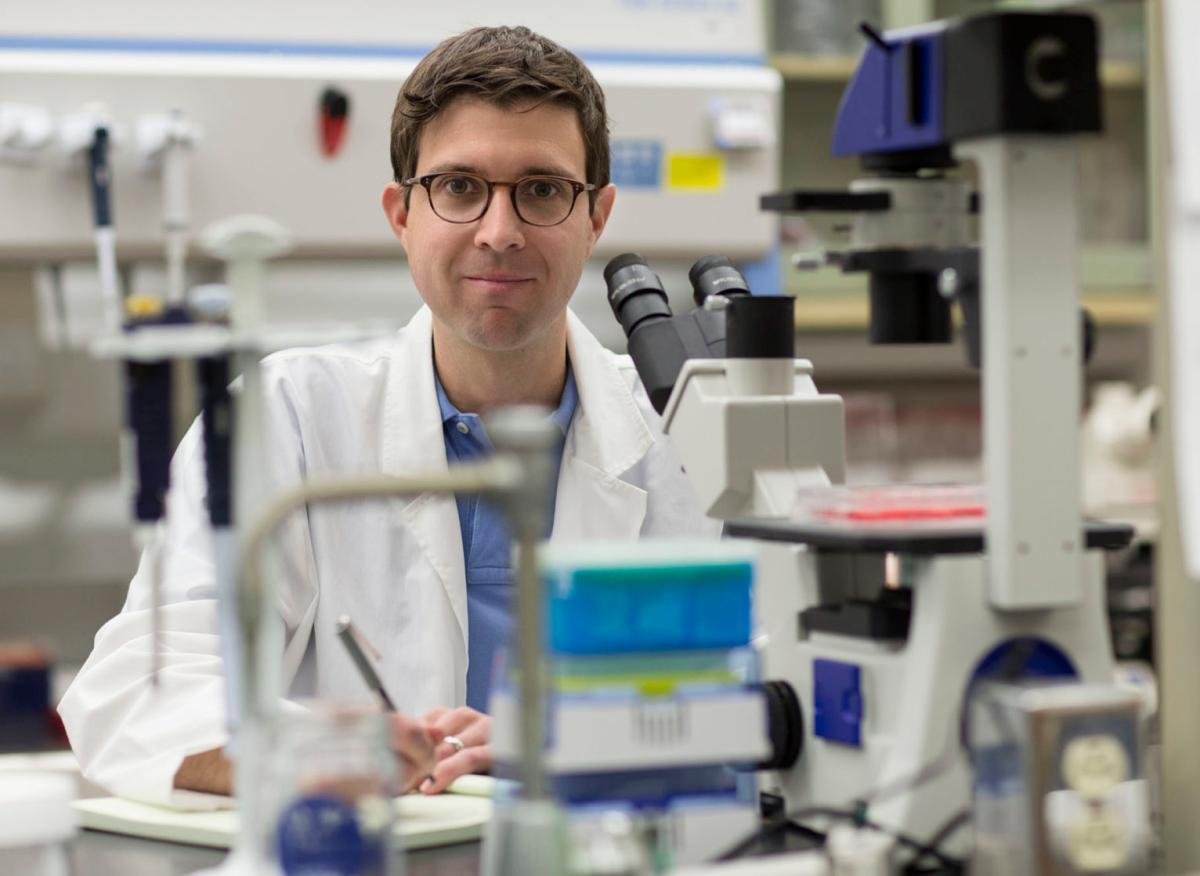
John Lukens, PhD, is the director of the Harrison Family Translational Research Center in Alzheimer's and Neurodegenerative Diseases at the University of Virginia's Paul and Diane Manning Institute of Biotechnology. He is also part of the School of Medicine's Department of Neuroscience and its Center for Brain Immunology and Glia (BIG Center).
Even a single brain injury can trigger harmful changes that could lead to Alzheimer's disease, new research from our John Lukens, PhD, and colleagues suggests.
The researchers found that traumatic brain injuries impair the function of vital lymphatic vessels that connect the brain and the immune system. These vessels are found in the brain's protective membranes, or “meninges," and were thought not to exist until they were discovered by School of Medicine neuroscience researchers in 2015.
Lukens' research indicates that impairment of these vessels accelerate the accumulation of harmful tau protein in the brain. Tangles of this protein have long been associated with Alzheimer’s.
In lab mice, a single mild TBI worsened overall brain health and spurred neurodegeneration. Further, tau tangles formed not just at the site of the injury but in other areas of the brain as well. That suggests that TBI can have far-reaching effects within the brain.
Promisingly, Lukens' team was able to prevent tau buildup by using a hollowed-out virus to deliver repair supples directly into the meninges of the mice. That suggests we may be able to use a similar approach to similar effect in people to prevent Alzheimer's and potentially other neurodegenerative diseases.
“Our findings indicate that fixing brain drainage following head trauma can provide a much-needed strategy to limit the development of Alzheimer’s disease later in life,” said Lukens, director of the Harrison Family Translational Research Center in Alzheimer's and Neurodegenerative Diseases at UVA's Paul and Diane Manning Institute of Biotechnology. “Our hope is that these discoveries will inspire the design of novel brain drainage-boosting therapeutics that can be deployed to accelerate recovery of the injured brain and limit the risk of developing Alzheimer’s disease.”