UVA Health Offers Latest Aquablation Platform to Enhance BPH Treatment
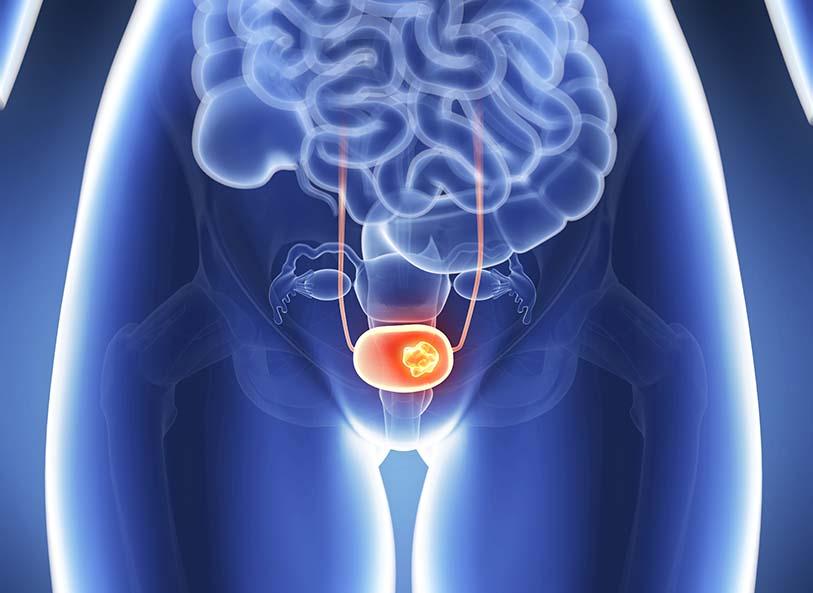
Benign prostatic hyperplasia (BPH) affects nearly half of men over age 60 and up to 90% by age 85. About half of men with BPH experience symptoms such as weak urine flow, urgency, and nighttime frequency, which can significantly impact their quality of life.
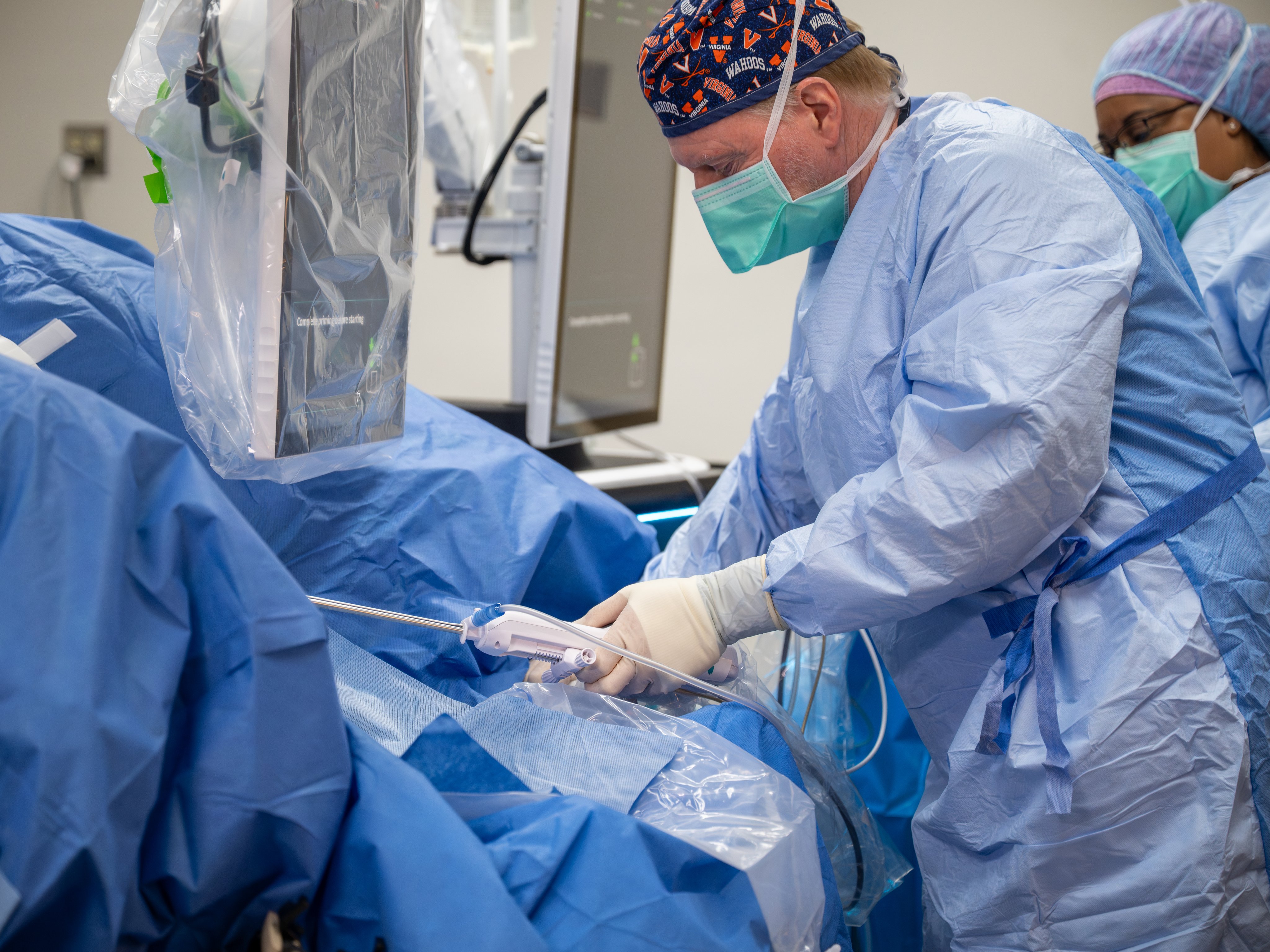
Gregg Eure, MD, offers a highly effective, minimally invasive option for treating BPH: Aquablation. This advanced robotic procedure removes obstructive prostate tissue using a heat-free waterjet. UVA Health is the first health system in Virginia to offer the latest generation of Aquablation technology, combining robotic surgery and artificial intelligence with real-time ultrasound imaging to optimize precision and preserve sexual and urinary function.
“BPH is one of the most common conditions we see in men’s health,” says Eure, a urologist at UVA Health Culpeper Medical Center who specializes in adult urology and men’s health. “Aquablation allows us to tailor treatment to each patient’s anatomy to maximize outcomes and minimize complications. We can use it on prostates of any shape and size to deliver long-lasting relief from BPH.”
Precision Through Imaging & Robotics
During the robotic procedure, Eure uses ultrasound to create a three-dimensional map of the prostate, identifying the obstructive tissue and healthy structures that need to be preserved.
These technologies, along with surgical expertise, result in more consistency across cases. “Every prostate is different,” Eure explains. “Aquablation personalizes the approach for each patient in a way that traditional methods can’t.”
Advantages for Patients
Traditional BPH surgery, such as transurethral resection of the prostate (TURP), often provides effective symptom relief but can come with trade-offs — longer recovery, risk of bleeding, and potential impact on sexual function.
Other minimally invasive procedures, such as UroLift and Rezūm, may be effective for smaller prostates but are less suitable for larger prostates.
Aquablation fills this treatment gap. It offers:
- Consistent symptom relief regardless of prostate size or shape
- Shorter procedure time and faster recovery than TURP
- Significantly lower risk of irreversible sexual side effects compared to TURP
Eure notes that Culpeper Medical Center is among a small number of centers in the country that perform Aquablation as an outpatient procedure. “Patients go home the same day, which is remarkable for this level of technology,” he says.
Strong Surgical Outcomes & Patient Benefits
Clinical research demonstrates that Aquablation provides durable symptom relief. In research studies:
- 100% of men preserved erectile function
- 89% of men with BPH preserved ejaculatory function
- >99% of men did not have incontinence
- 94% of men did not require additional treatment with medications or surgery five years after Aquablation therapy
“Our results mirror those seen nationally,” Eure notes. “Patients consistently report significant improvement in their quality of life, and many are surprised by how quickly they recover.”
How Aquablation Works
Aquablation combines ultrasound imaging, robotic control, and a high-pressure waterjet to remove prostate tissue precisely without using cutting, sutures, or lasers. The procedure takes just over an hour under anesthesia.
Most patients are discharged with a temporary catheter for two to four days. Recovery is typically faster and less painful than with standard TURP.
Patient Selection
Aquablation is for men with moderate to severe lower urinary tract symptoms from BPH who desire an effective, minimally invasive solution.
It’s especially beneficial for:
- Large prostates where other minimally invasive options are less effective
- Men concerned about sexual side effects
- Patients on anticoagulation who need a nonthermal approach
A thorough evaluation, including cystoscopy and magnetic resonance imaging or an ultrasound exam, allows urologists to tailor treatment to each patient’s specific anatomy and symptom profile.
Patient Experience & Postoperative Care
Most patients return to light activities within a few days post-surgery. Follow-up visits typically occur within the first week for catheter removal, followed by scheduled assessments to monitor urinary function and healing. Most men recover fully after three to four weeks.
“I encourage early referrals and evaluations for men with BPH, because the sooner you seek care, the more treatment options you may have,” Eure says.
Get the Healthy Practice Newsletter
Research-driven insights and specialty guidance for clinicians — delivered straight to your inbox.