When Your Period Stops

Your period can give you important clues about your health. Most of the time, we talk about what to expect with your menstrual cycle. And what to do when it’s too heavy, too painful, or comes with other concerns. But what about when it stops completely?
Nearly 25% of women will experience a missed period cycle that’s not related to pregnancy, breastfeeding, or menopause. If your period is disrupted for 3 months, it’s referred to as amenorrhea.
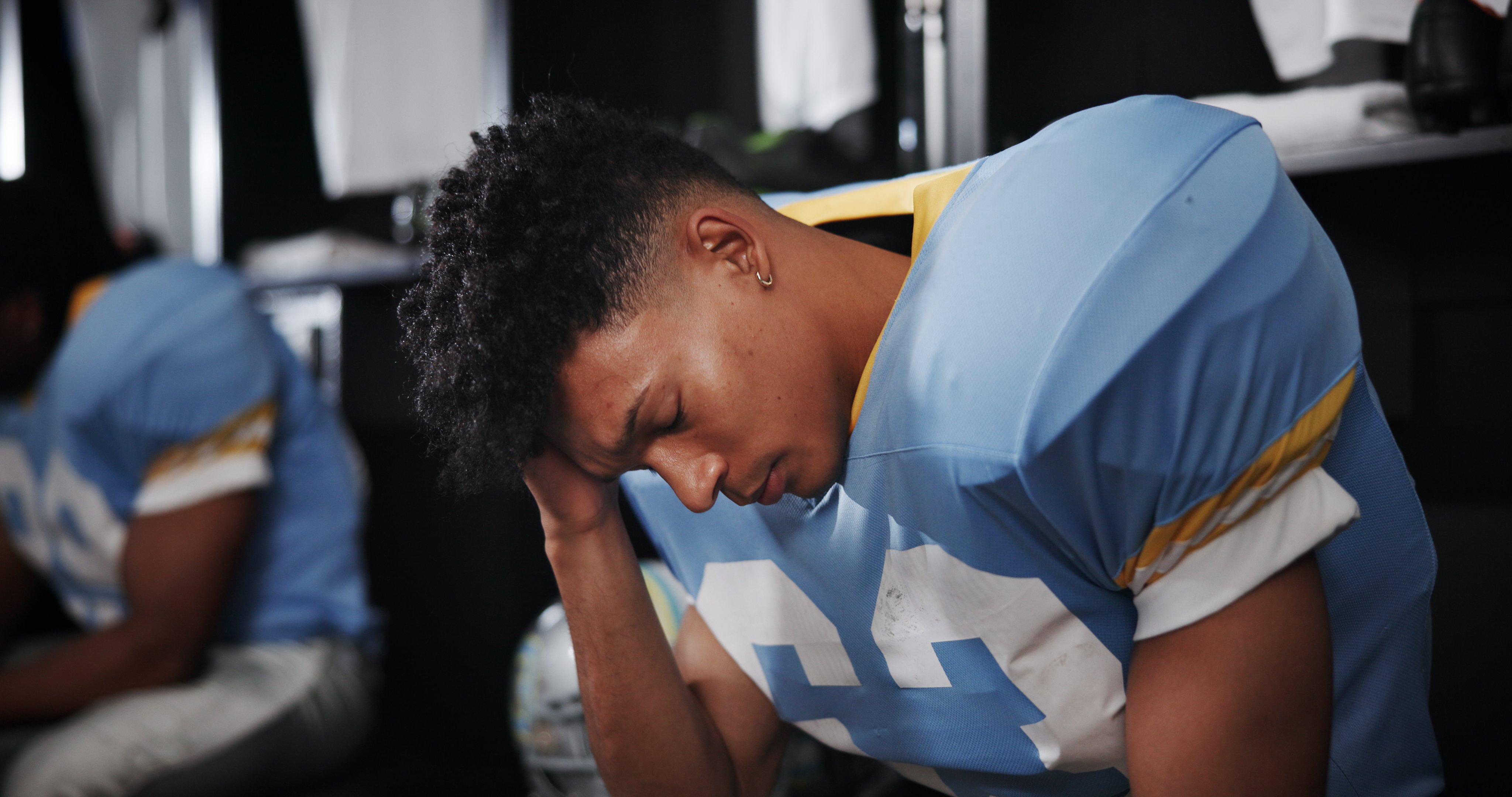
Extreme exercise, undernutrition, and stress are some of the reasons why teens and young adults may develop amenorrhea. When this happens, it’s called “functional hypothalamic amenorrhea” or FHA.
And unfortunately, because of the timing, FHA can have lifelong impacts on bone health. “The result is often suboptimal peak bone density, and that’s really your bone storage for your entire life,” Madhusmita Misra, MD, explains. “Most of your bone density is formed in adolescence.”
Hormone Shifts & Health
The hormones that prompt your body to have a period are regulated by part of your brain called the hypothalamus. It’s the same part of your brain that tells you when you’re hungry or tired. It also lets you know you’re hot or cold by causing shivering or sweating. And it can “decide” that your body isn’t in a good place to have a period.
This can be caused by:
- Undereating
- Malnutrition
- Intense exercise
- Stress
If the hypothalamic-pituitary-ovarian axis is disrupted, it results in a lack of estrogen. One of the most noticeable physical effects is the loss of a period.
Health Effects of Low Estrogen
Low estrogen creates an avalanche of health effects. Many of these will disappear once the cause is gone. Low energy, depression, and hair loss are some of the most impactful symptoms for quality of life. But once energy levels are equalized, they’ll disappear.
If your body doesn’t acquire the bone density it needs during puberty, you may struggle with osteoporosis early in life. This can lead to pain and fragility fractures.
The risks of low estrogen to cardiovascular health are also persistent. Even in young women who developed amenorrhea through exercise, which is normally a positive for cardiovascular health.
Addressing the Causes of FHA
Ultimately, the underlying cause of the missing period needs to be addressed.
Meeting with healthcare professionals who can help guide nutrition decisions as well as ways of handling stress is an important step.
Athletes Need to Eat More
Teens and young adults have high nutrition needs because their bodies are still growing, building bone, developing muscle, and supporting brain and hormone function—all at the same time. On top of that, athletes have the added demand of training, competition, and recovery, which greatly increases how much energy and nutrition their bodies require.
For some athletes, especially those training many hours per week, it can be genuinely challenging to eat enough to meet those needs. Their appetite cues may not always keep up with their energy expenditure, and busy schedules, stress, or food rules can make it even harder to stay adequately fueled.
This is why nutrition for athletes is so individualized. Many work with registered dietitians to ensure they are getting enough nourishment to support growth, performance, recovery, and long-term health.
Eating Disorder Treatment
Eating disorders occur when individuals are not eating enough to support their bodies’ needs. The reasons why someone is not eating enough varies widely – from severe, intentional food restriction in efforts to lose weight to increasing exercise without appropriately increasing food intake. Regardless of the cause, once the energy out is significantly greater than the energy coming in, the body starts to experience stress and focuses on preservation, including stopping periods. For some, this is a serious physical warning sign that their body is sharing that says it’s not getting what it needs.
It’s important to note that some people still get their periods even when they are underweight or not eating enough. Bodies respond differently to undernutrition. Some people’s bodies hold onto their menstrual cycle longer than others, even when they aren’t getting enough nutrition. Having a period depends on many different factors.
Periods also don’t usually stop right away. They may become lighter or irregular before stopping, which means someone can still be menstruating while their body is under stress.
While not getting a period is definitely a red flag, if someone is struggling with other signs of an eating disorder or undernutrition and they are still getting their period – it does not mean that their body is healthy or getting enough nutrition. Serious medical issues can still be present.
Eating disorders are serious conditions that can be life threatening and life limiting. Early intervention with a team of at least a mental health provider, registered dietitian and medical provider specialized to treat eating disorders is recommended. Sara Groff Stephens, PhD, helps teenagers with eating disorders to recover.
Addressing Health from Every Angle
Recovering from an eating disorder or disordered eating looks different for everyone. Some people see changes quickly, while others have a longer road.
There are a wide range of treatments available from outpatient care to more intensive supports like residential treatment centers. “Recovery isn’t about being perfect; it’s about taking intentional steps towards healing every day. Having the support of family and friends has shown to be very helpful and important as people engage in treatment,” Stephens says.
But the problems that can be caused by hormone disruption are occurring now and can be treated alongside the underlying issue.
Hormone therapy can help correct bone density problems and is often part of a comprehensive treatment plan when determined to be appropriate.
Other treatment to reclaim physical health include exercise plans (as long as it is medically safe to do so) that are designed to help improve bone density. Other activities, like yoga or gardening, can help control cortisol, another hormone that is often dysregulated when the body is under too much stress.