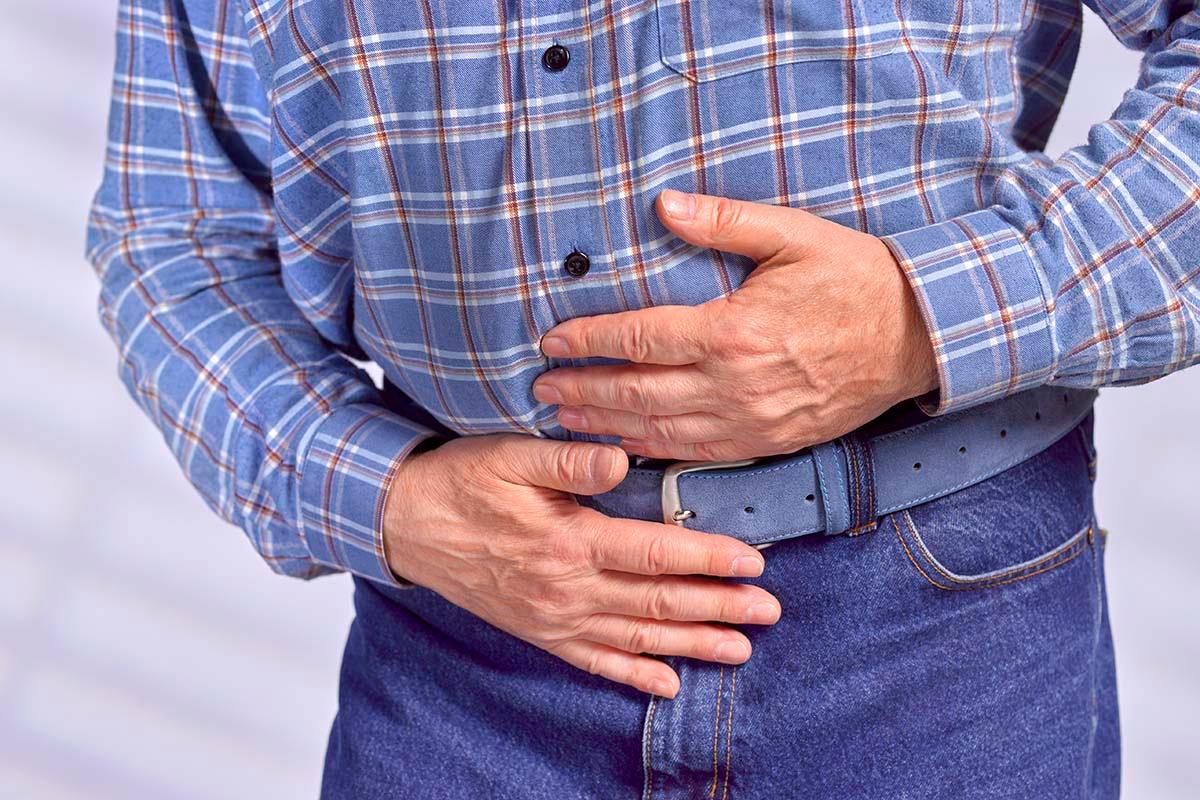
What Not To Do With a Hernia: A Guide to Recovery

Whether you’ve recently learned you have a hernia or just had hernia surgery, you’re probably looking for some guidance. Ignoring hernias altogether can cause problems. So can ignoring recovery guidelines after hernia repair surgery.
Learn what not to do with a hernia — from everyday habits to recovery mistakes — so you can heal safely and avoid setbacks.
Don’t Ignore Warning Signs
One of the biggest mistakes you can make with a hernia is brushing off symptoms. Hernias often show up as a bulge or swelling. So if you see one, don’t ignore it.
As Cullen Carter, MD, a surgeon at UVA Health who specializes in abdominal surgery, including hernia repair, explains: “Patients typically experience two things — a bulge and pain, and the pain is usually related to straining activities like lifting.”
Similarly, if you suddenly have severe pain, nausea and vomiting, or a hernia that turns red or purple, that’s an emergency. “Hernia strangulation can occur if the intestine loses blood supply and is dying or dead,” Carter says. In that case, don’t wait — get to the ER right away.
Don’t Assume It Will Go Away
You may hope your hernia will shrink or go away on its own. Unfortunately, that’s not the way it works.
“In general, if someone thinks they have a hernia, it’s a good idea to see a surgeon,” says Aaron Sachs, MD, a surgeon at UVA Health who has expertise in hernia repair. “They can help you decide whether or not it needs to be fixed.”
Waiting too long can give a hernia time to grow larger, more painful, or harder to repair. Even if you don’t need surgery right away or even at all, seeing a doctor early means you’ll have a plan — and peace of mind.
Don’t Push Yourself Too Soon
After hernia repair surgery, rest matters. That doesn’t mean staying in bed all day, but it does mean giving your body time to heal.
“If it hurts, stop doing it,” Sachs says. “You don’t want to stress the repair site.”
Doctors generally recommend avoiding heavy lifting for a few weeks. Walking and light activity are typically safe. But lifting boxes, shoveling snow, or hitting the gym too soon can put your recovery at risk.
Don’t Overlook Risk Factors
Also, certain habits make recovering from hernia repair surgery harder. Smoking is a big one.
“If people are smoking, their risk of having a complication, such as poor wound healing or recurrence, is much higher,” Carter says.
Weight also matters. If you’re overweight, even losing a few pounds can make surgery safer and healing smoother.
Don’t Go Through It Alone
Hernias can cause stress, but you don’t have to figure it out by yourself. Ask questions. Talk to your doctor. Make a plan together.
“Treatments should be tailored to the patient with a thoughtful approach,” Carter says, adding that not every patient needs surgery. Some hernias can just be monitored.
Recover Well
Knowing what not to do with a hernia can make living with one — or recovering from one — easier. Don’t ignore symptoms. Don’t delay care. Don’t lift too soon. And don’t overlook the habits that may slow your healing.
With the right care and support, you can recover well and get back to the life you enjoy faster.
Is It a Hernia or Something Else?
Not sure what's causing your symptoms? Our experts decode the signs.
Article Topics

December 26, 2025
Hernia Symptoms in Men vs. Women: Know the Difference