What Is Kratom?
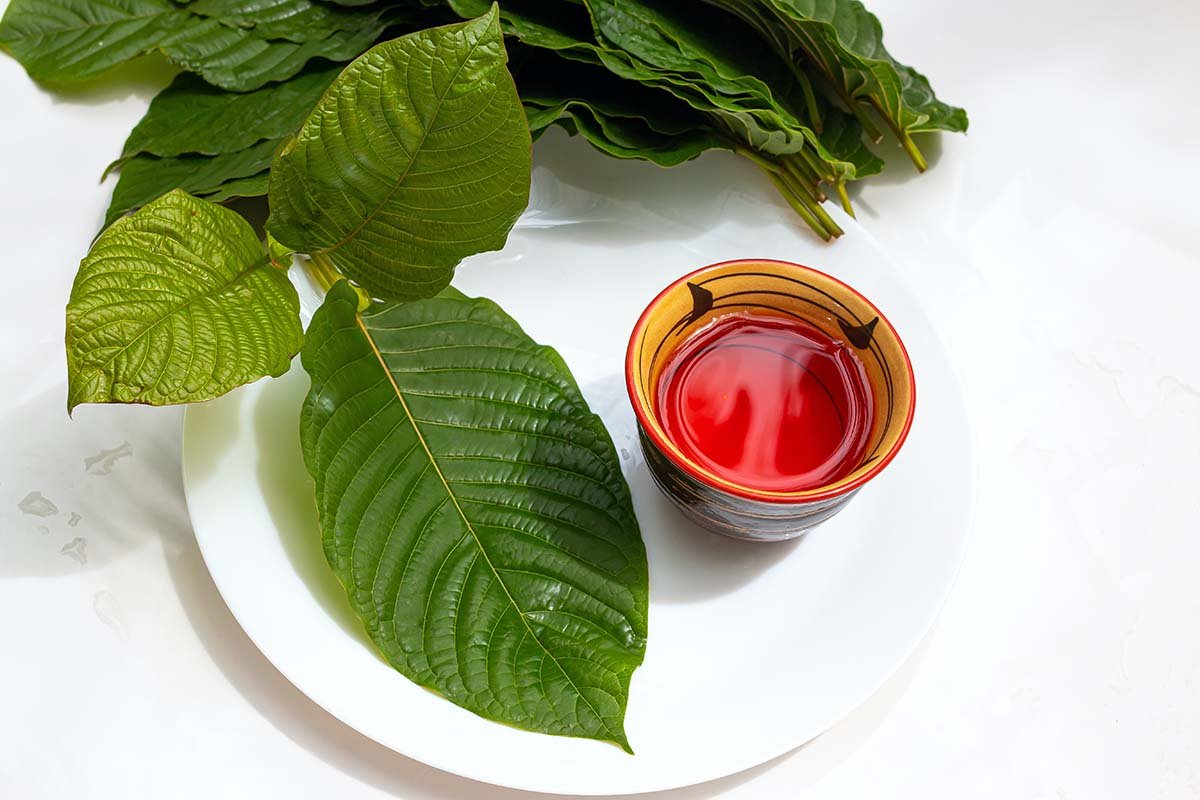
Kratom refers to leaves of a plant in Southeast Asia that’s traditionally been consumed for pain relief and mood enhancement. But in the United States, kratom doesn’t come as a fresh leaf. Instead, it’s prepared in powders, tablets, and gummies. Sometimes it’s combined with caffeinated products as an “energy cocktail.” And it’s readily available at gas stations, vape shops, the internet, and many other venues.
It’s traditional uses and plant-based origin convince a lot of people that Kratom is safe. But in 2025, there were 3,500 poison control calls and 538 hospitalizations associated with Kratom.
“The data reflects a concerning trend,” said researcher Chris Holstege, MD, the director of UVA Health’s Blue Ridge Poison Center. “This trend found in the national data is also occurring in our local clinical practice, with more patients presenting to UVA Health following serious complications associated with kratom products.”
What’s Driving the Increase in Calls and Hospitalizations?
A lot of the increase is coming from increased popularity and familiarity. More than 5 million people in the United States have reported trying kratom. Of those, 100,000 were under the age of 18.
From being a specialty product with a niche group of users to being available through shopping apps, kratom has expanded its pool of customers considerably.
Another concern is the strength of the kratom product. Concentrating the most potent compound is pretty common for recreational drugs. Marijuana with increased THC, for example, is often sought after.
7-OH
7-hydroxymitragynine (7-OH), is reportedly a naturally occurring substance found within kratom. But in natural leaves it only represents at most 2% of the chemical make-up. Mitragynine is in much higher concentrations within the leaves and the human liver converts it to 7-OH which is more potent than morphine.
While many users are probably envisioning desired effects such as relief of pain, the other side of the coin is true as well. A higher concentration of this chemical also results in stronger adverse side effects.
This can include:
- Trouble breathing
- Seizures
- Sleepiness
- Fast heart rate
- High blood pressure
- Coma
- Cessation of breathing
- Death
The 7-OH products have come under intense scrutiny and are now illegal in some states, including Virginia as of July 1st of 2026.
But in some ways, 7-OH has become a convenient scapegoat for all issues with kratom.
Single Substance Incidents
Mixing drugs is always dangerous, and many point to that as the true problem with kratom. But those 538 hospitalizations in 2025 were all single-substance incidents. Meaning the patients only took kratom.
It’s probably not a coincidence that the spike occurred shortly after synthetic derivatives like 7-OH hit the market. “We are experiencing a marked increase in kratom-associated products being sold in the U.S. market,” Holstege said. “We want the public to be aware that these products contain chemicals of varying concentrations such as mitragynine and 7-hydroxymitragynine that have complex pharmacological actions and can cause drug interactions and adverse consequences in humans.”
The spike also comes as more versions of these substances come in an ‘edible’ form. Edibles are notoriously challenging to dose. People will often take a much larger amount because they don’t “feel” the effects, only to be hit with peak effects a couple of hours later that can have marked detrimental impacts on the body.
Multi-Substance Exposures
Single substance concerns are increasing at an alarming rate. But that doesn’t mean that multi-substance exposures are less concerning.
When used in combination with other drugs, kratom is more likely to lead to hospitalization. Between 2015-2025 there were 233 deaths related to kratom. Of those, 184 involved multiple substances.
Though Kratom is often marketed as a way to ease dependence on opioids for those with addiction, in multi-substance exposures it’s often taken with opioids.
Taken with any central nervous system depressant, including alcohol, makes kratom substantially more dangerous.
Kava, another plant-derived substance, is also now sold with kratom. Combined, these can have substantially greater impacts on health.
Long-Term Health Concerns
Research is still catching up with use in these instances, and the long-term health effects are largely unknown.
Liver injury, seizures, tremors, ad addiction have been reported as serious potential side effects. Also worth noting are the high incidence of lethargy and depression amongst long-term kava users.
Currently, kratom products aren’t approved for any use and aren’t regulated. Some testing has found high concentrations of heavy metals.
We also don’t fully understand how addictive kratom is, or who is likely to become addicted.
Poison Control Always Available
Issues of legality, research around long-term effects, and other concerns aside, an important takeaway is that if you believe you have taken too much of a drug, are experiencing side effects, or symptoms of toxicity, poison control is available.
Poison control is free and confidential (1-800-222-1222). And in many instances, can help you manage symptoms without needing acute care. But they’ll also tell you honestly if you need to come in for emergency care.
Article Topics