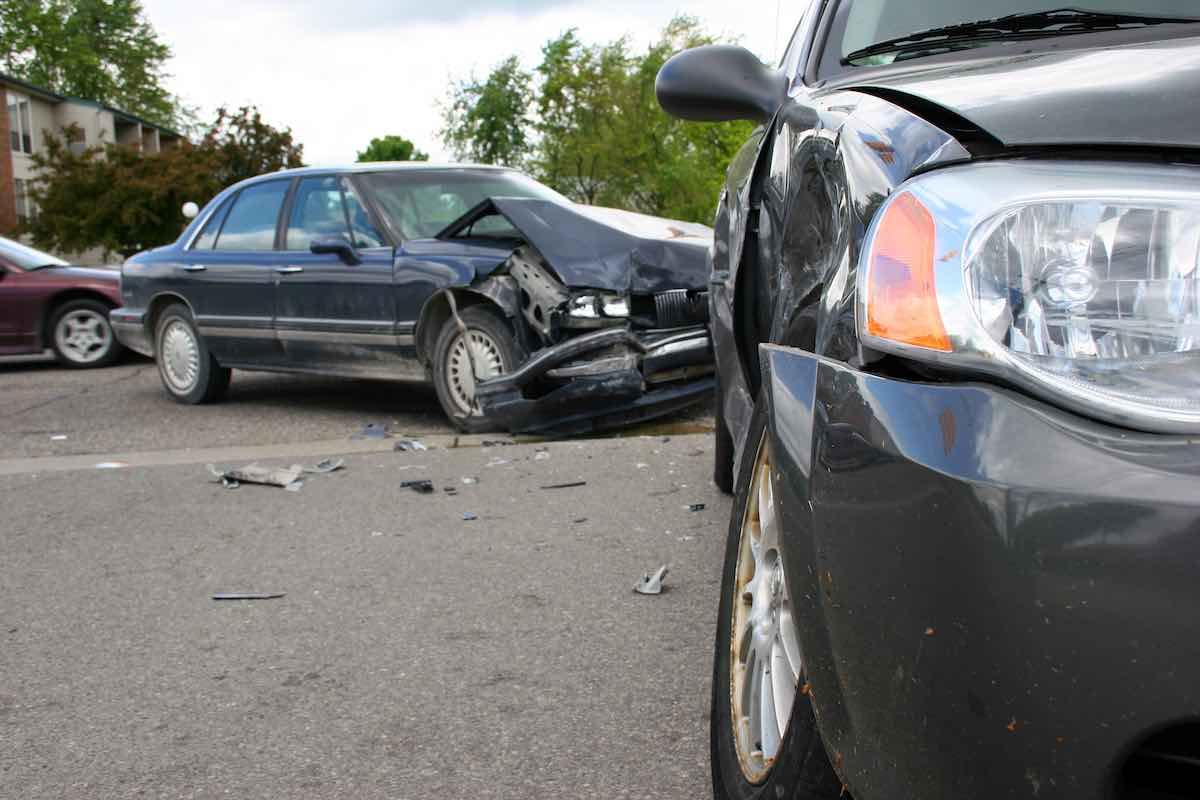
Minor Car Accidents on the Rise, Watch for Signs of Common Injuries

Like me, you probably drive regularly. And, like me, you may have noticed more aggressive or unpredictable driving on our roads. I’ve seen more drivers rushing through the yellow light instead of slowing down. It feels like I can’t look in the rearview mirror without finding someone tailgating me. Blinker usage seems reduced by 200%. You've noticed more drivers pulled over to the side of the road because they were in minor car accidents.
I’m mostly joking. But the fact is that in 2021, the Virginia Department of Motor Vehicles reported over 118,000 crashes. That’s an increase of about 13,000 over the year before. And, there were 968 traffic-related deaths in 2021, an increase of about 14% compared to 2020.
More Crashes, More Injuries
These increases are large. Some of that is likely because COVID prevention measures kept people off the streets. But even in 2020, the year that COVID lockdowns began, the CDC reported 2.1 million emergency department visits from car crashes.
Why are crashes increasing? There are many reasons, including all of these on the rise:
- Speeding
- Distracted driving
- Driving while under the influence
With August being National Traffic Safety Awareness Month, it’s important to remind ourselves that, while not common, even slow-speed crashes can have lasting effects. We checked in with Thomas Hartka, MD, an emergency department physician at UVA Health, on some ways that minor car accidents can impact you.
High Speed Causes Most Injuries, But Minor Crashes Can Too
The most important factors that put you at risk of being injured in a car crash are:
- Speed of impact
- Direction of impact
- Seatbelt use
- Age
- Whether the vehicle rolls over
High-speed collisions and those that cause your car to roll are the most likely to result in injuries. “Cars have the best protection when hit from the front or the back,” notes Hartka. “The risk of injury significantly increases for side impacts.”
Other factors can play a role also. If you're older, you’re at a higher risk for injury in all types of crashes. And, if you're Black, Latino, or lower income, you're more likely to die in a crash.
Most reported minor crashes don’t cause serious injuries. And, as Hartka reminds, wearing your seat belt is one of the most important ways to decrease your risk of injury. But sometimes, injuries do happen during lower-speed crashes. And any crash can also affect you emotionally and disrupt your daily life.
Look for Signs of Physical Trauma
The amount of force your body receives during a crash depends on many factors. Most important are the speed and direction of the impact. Even a minor accident can still apply significant force to your body.
The most common injuries from minor car crashes include:
- Neck strain: This happens when your body is bumped. That causes your head to abruptly snap forward or backward. This motion can injure your neck muscles and tendons. It can even lead to nerve damage. “Adjusting your headrest so it is at the right height can significantly decrease your risk of a neck injury,” says Hartka.
Signs You Strained Your Neck:- Neck pain or stiffness that may get worse with movement
- Headache
- Trouble moving your head or neck
- Pain, tingling, or numbness in your shoulders or upper arms
- Soft tissue injuries: Cuts, sprains, or bruises affecting your skin, muscles, and tendons.
- Head and brain injuries: These injuries can cause headaches, balance problems, and issues with your memory or thinking. And if you take blood thinners, you’re also more likely to get bleeding inside your head, notes Hartka.
Watch for Emotional Impacts
Car accidents are upsetting, even if they’re minor. There's the immediate hassle of dealing with police and insurance. Beyond that, some people have intense feelings following a car accident that they find difficult to manage. These feelings might get more intense or intrusive as time passes. They might cause someone to have trouble with their day-to-day life.
Posttraumatic stress disorder (PTSD) can happen after an emotionally stressful event. Signs of PTSD may develop quickly, or it may be weeks or even months after the accident before you notice an issue.
Not everyone who is in a car accident gets PTSD. But, signs of PTSD include:
- Constant feelings of anxiousness or anger
- Reliving the accident in your mind
- Having nightmares or trouble with sleeping
- Avoiding driving
- Avoiding reminders of the accident
Had a Fender Bender?
If you’ve been in a collision and think you need care, check in with one of our primary care providers.
Safe Driving: Your Best Defense Against Minor Car Accidents
Car accidents are a leading cause of injuries and death in the U.S. That’s why it’s important to know and follow safe driving practices, like:
- Know and follow the rules of the road
- Always use your seatbelt
- Avoid distractions such as checking your phone while driving
- Know the speed limit and avoid speeding
- Keep enough space between your car and the car in front of you
- Don’t drive when you’re tired or sleepy
- Don’t drive if you’ve been drinking alcohol or using illegal drugs
- Be aware if you’re taking medications that can affect your attention
If you're ever in a minor car accident, don’t hesitate to get checked out by a doctor. You’ll at least catch some issues early on. That could stop them from developing into something more serious.
Subscribe to Healthy Balance
Get timely health and wellness tips from UVA Health experts. Plus, stories that will move you.