What Makes Healthy Food? What to Watch, Swap, & Try
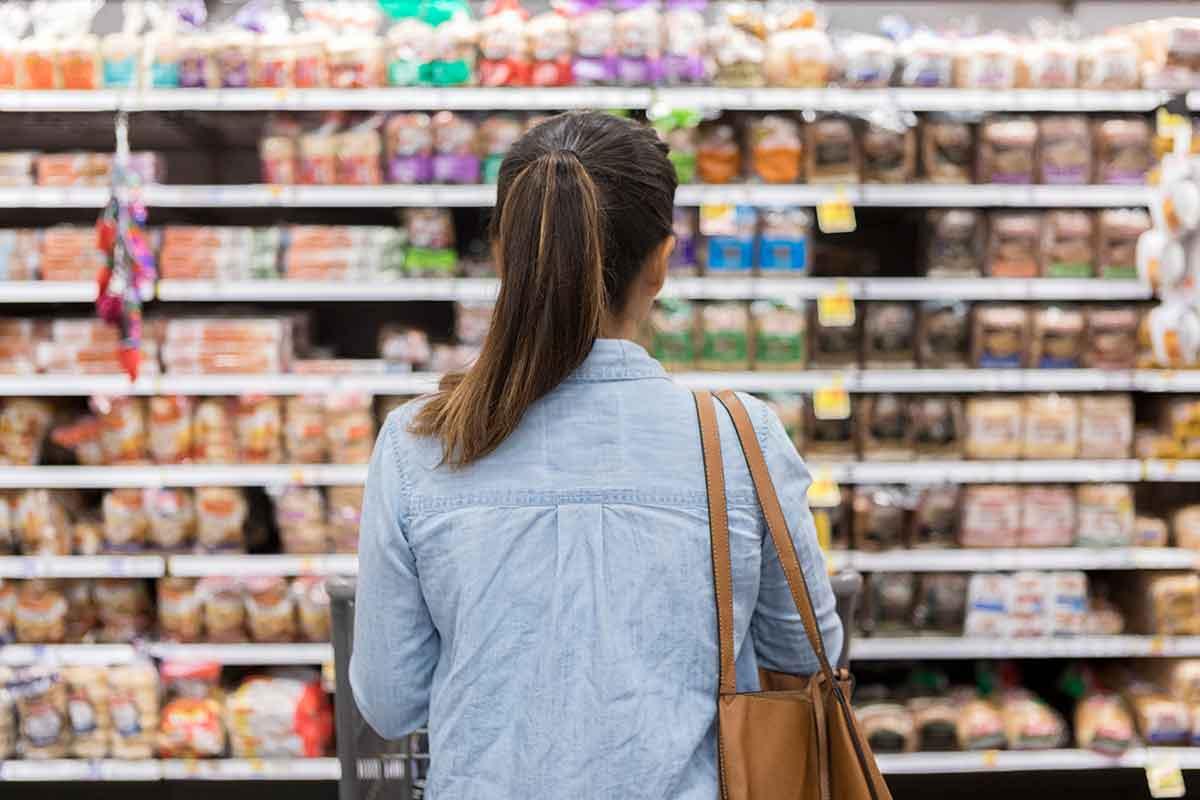
If you were alive in the 70s, you might remember thinking "health food" meant "hippie food." Back then, most of America ate meat and potatoes. Yogurt and granola were considered Bohemian. Then came diet foods in the 80s — I have distinct memories of drinking Crystal Light and warming up Nutrisystem tofu in the microwave. Filled with aspartame, these diet foods weren't exactly healthy by today's standards. But are today's standards any better? Do we truly know what makes healthy food?
Today, we use terms like "processed" and "whole" and "clean" to distinguish the good from the bad. There's organic and non-GMO, gluten-free, and sugar-free. But just because something is called “healthy” doesn’t make it so. How do we know what’s really good for us?
Enter Mary Lou Perry. A UVA Health registered dietitian, she recently gave a healthy cooking demonstration for people with diabetes and chronic illness.
I don’t have diabetes. But I have to watch my sugar and cholesterol. Gut health is a major concern in my family. Perry’s science-based facts and recipes gave me some clear ideas on how to eat better, how to make food healthy food, and what it means, in general, to “eat healthy.”
What Is Healthy Food?
Perry’s general guidance is not surprising. She follows the author Michael Pollan’s advice, “eat food, mostly plants, not too much.”
“Eat food as close to its whole form as possible. It has less impact on blood glucose levels,” she explains.
By increasing the number of plants and processed foods you eat, your body will have to work less to digest. Most additives, fillers, and preservatives are not easily digestible.
Words to Watch
Many of the terms used to describe healthy eating these days have marketing appeal without much foundational science.
You should always question packaging claims. Here’s a few examples of labels you should treat with caution.
Net carbs — ML calls this term gimmicky. The American Diabetes Association doesn’t use or recognize it, because of the lack of supporting evidence that “net carbs” are a thing.
Processed — Just because something is processed doesn’t mean it’s unhealthy. Cooking is a form of processing. Canned chickpeas are processed. So are chopped apples.
Perry distinguishes between what’s processed and ultraprocessed. Ultraprocessed foods, she explains, are convenience foods, things that come in boxes. They tend to have refined grains, additives, and more fat. Eat less of these as a general rule, and you’ll reduce your intake of sugar, salt, and fat. You'll also get more fiber.
Keto — did you know that the keto diet began as a treatment for people with epilepsy? Like the Atkins diet, you have to be careful with the amount of fat and protein it relies on. It’s not sustainable, ML says.
Sugar-free — sugar substitutes can wreck your digestive system. In small amounts, you might be OK. But a whole bag of sugar-free gummy bears, for instance, can overwhelm your system with substances it can’t break down. This leads to gut trouble.
“Protein” bars — you might find these tempting, as they advertise less sugar, fewer carbs, and fewer calories than candy bars. Still, these are higher in sugar alcohols. More than 6-7 grams can cause diarrhea and gas.
Eat This Not That to Make Healthy Food
Here’s a few examples of healthy substitutes to turn everyday foods into healthy foods.
- Eat quinoa, not couscous. Quinoa has more protein and fewer carbs.
- Eat roasted eggplant on a sandwich instead of deli meat.
- Eat lentils, not chickpeas. They’re easier on the gut.
- Eat tahini, not mayo. Made from sesame seeds, tahini offers plenty of protein with fewer calories.
- Eat olive, not coconut oil. The former monounsaturated fat lowers cholesterol. Coconut oil, on the other hand, isn’t heart-healthy.
- Eat dark chocolate, not milk chocolate. Dark chocolate has phytosterols that decrease inflammation.
Stay Flexible & Generous With Yourself
While a rigid list would eliminate guesswork, “There’s no one-size-fits-all for eating healthy,” says Perry. “Some people respond differently to different foods.”
At the end of the day, Perry’s advice is to try for better, not perfect. “Everyone makes food choices that aren’t the best sometimes. Is your eating pattern generally healthy?” she asks. “If you’re making healthy choices 80% of the time, that’s good.”
Navigate Your Plate
We have experts and resources to get you started.
Healthy Food Recipes to Try
No-Tuna Salad Sandwich
For the salad:
- 1 (15-ounce) can chickpeas, rinsed, and drained
- 3 tablespoons tahini
- 1 teaspoon Dijon or spicy brown mustard
- 1 tablespoon maple syrup or agave nectar
- ¼ cup diced red onion
- ¼ cup diced celery
- ¼ cup diced pickle
- 1 teaspoon capers, drained and loosely chopped
- Healthy pinch each sea salt and black pepper
- 1 tablespoon roasted unsalted sunflower seeds (optional)
Directions
Place the chickpeas in a mixing bowl and mash with a fork, leaving only a few beans whole.
Add tahini, mustard, maple syrup, red onion, celery, pickle, capers, salt and pepper, and sunflower seeds (if using) to mixing bowl. Mix to incorporate. Taste and adjust seasonings as needed.
Toast bread if desired, and prepare any other desired sandwich toppings (such as lettuce, tomato, and onion).
Scoop a healthy amount of the chickpea mixture (about ½ cup) onto one slice of bread, add desired toppings, and top with second slice of bread. Repeat for additional sandwiches.
Rainbow Grain Bowl
- Grain (quinoa or farro)
- Spinach
- Olives
- Onions
- Broccoli
- Carrots
- Purple cabbage
- Carrots
- Grilled chicken
Thai Peanut Dressing
- ½ c creamy peanut butter
- 2 TB lime juice
- 2 TB rice vinegar
- 2 TB soy sauce
- 1 TB honey
- 1 tsp siracha
- ¼ tsp ginger
- Garlic to taste
- Water/coconut milk
Directions
Combine all ingredients with a whisk. Add more water or coconut milk to thin. Keeps in fridge for 5 days.
How to wash and cook quinoa: It's important to give this seed a good rinse before cooking it. Washing quinoa helps get rid of saponins, a natural chemical compound that gives the quinoa a bitter or soapy flavor. Measure out how much quinoa you want and pop it into a mesh strainer. Hold the strainer under running water and swish the seeds around with your hands. Do this a few times until the water runs clear.
1 part grain, 2 parts water (1 cup quinoa and 2 c water). Boil water, add quinoa, and place top over sauce pan. Turn off heat; wait 30 minutes.
No-Sugar Date Balls
- 1 ¼ c Medjol Dates (pitted)
- ¼ c cocoa
- 2-3 TB Almond butter
- ¼ c rolled oats
- 1 pinch salt
In a food processor, combine all ingredients until they come together in a ball. Shape into individual date balls using a small scoop; dip in coconut. Freeze.
Subscribe to Healthy Balance
Get timely health and wellness tips from UVA Health experts. Plus, stories that will move you.