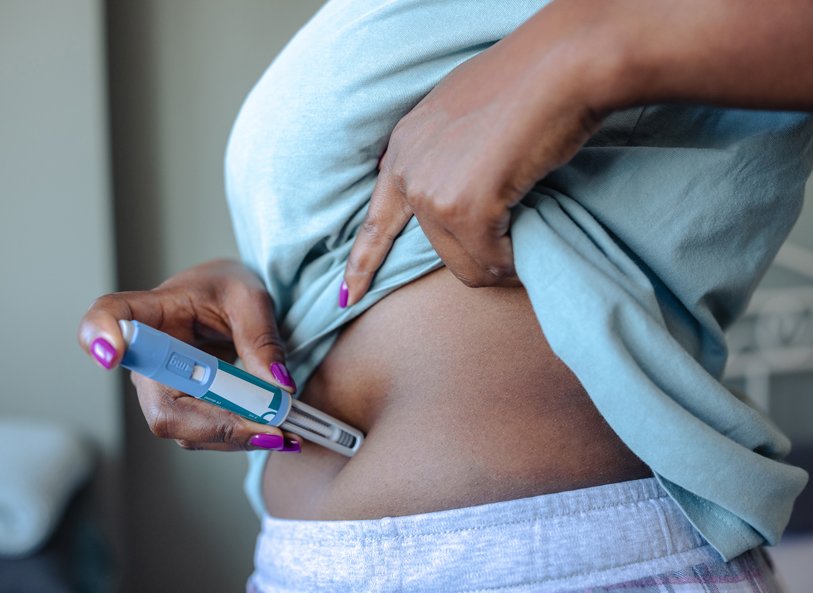
Using a GLP-1 & Losing Hair? How to Deal With This GLP-1 Side Effect
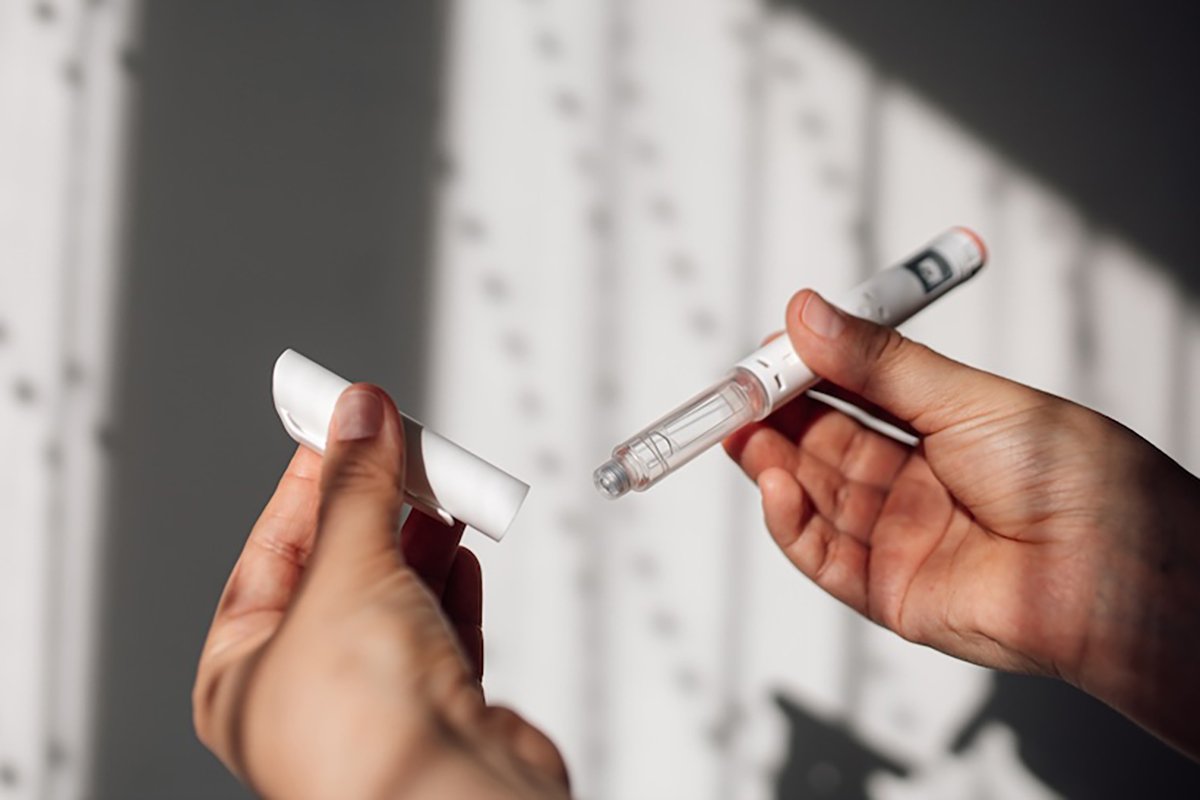
GLP-1 medications have become a popular option to help many people lose weight and feel healthier. But some people may notice a surprising side effect after some time taking them: more hair falling out than usual.
If you've spotted extra hair in your brush, on your pillow, or clogging the shower drain, you’re not alone. The good news is that it’s almost always temporary, and there are things you can do to help your hair bounce back.
"This is called telogen effluvium,” says Cate Varney, DO, director of obesity medicine at UVA Health. “It's a normal reactive thing that your body does. It's a reaction to stress and weight loss," notes Varney.
Is the GLP-1 Causing My Hair Loss?
Not exactly. Recent research mainly points to hair loss happening as a result of the rapid loss of weight that can come from using a GLP-1, not the medicine itself. Telogen effluvium happens when your body goes through a big physical change. For some patients using GLP-1s, “You're getting anywhere from 15-20 percent weight loss within 6-12 months, and that's a lot," Varney says.
Here's how hair growth normally works:
- Most hairs are in a growing phase most of the time.
- A smaller number sit in a short resting phase.
- After resting, those hairs fall out to make room for new growth.
When the body loses weight quickly, it can act like it's under stress. Stress signals the body to protect vital organs first, like the heart and kidneys. Hair growth becomes a lower priority for the body, so more hairs shift into that resting-and-shedding pattern, leading to more hair loss than usual.
Because hair grows in cycles, the shedding doesn't show up right away. Most people notice it about a few months after starting a GLP-1 medication or after losing a lot of weight.
Why Some People Shed More Than Others
Not everyone on a GLP-1 medication has noticeable hair loss. But there are a few factors can make hair loss more likely:
- The speed at which you lose weight. The quicker the weight comes off, the more stress it can put on the body's systems, including hair growth.
- Taking in fewer nutrients. These medications reduce appetite, but eating less can also mean getting less protein, iron, zinc, and vitamin D, which are all things hair follicles need to stay healthy.
- Hair that was already thinning. If you already had some hair thinning for other reasons, rapid weight loss can make it more noticeable.
The Good News: Your Hair Usually Grows Back
Most people who go through this type of hair shedding see their hair start growing back once their body settles into its new weight and eating habits or the GLP-1s are stopped.
Hair grows slowly, so patience matters. Even after the shedding slows down, it can take several months to see a return to your usual hair fullness. Many people find that within about six months to a year, their hair looks noticeably fuller again.
Four Ways to Support Your Hair
While you may not be able to prevent shedding completely, these steps can help create the best conditions for regrowth:
- Make protein a priority. Hair is built mostly from a protein called keratin. When taking these medications, it's easy to eat less protein without meaning to.
- Get yourself checked for a lack of nutrients. Low iron, low zinc, and low vitamin D are common causes of extra shedding. Instead of guessing about what you might be missing, you should with your healthcare provider, who can connect with a specialist in nutrition or a registered dietitian for counseling and support.
- Go easy on your hair. While you're shedding more than usual, cut back on heat styling tools, harsh chemical treatments, and tight hairstyles that pull on the scalp. This won't stop shedding, but it protects the hair you still have.
- Aim for steady, not rapid, weight loss. Working with your healthcare provider to lose weight at a steady pace, rather than very quickly, may lower your chances of significant shedding.
Taming GLP-1 Side Effects
Struggling with digestive issues while taking a GLP-1? Looking for a break from these symptoms? See 6 tips for easing gut issues from using a GLP-1.
When Should I See Someone About My Hair Loss?
If you're concerned about hair loss while taking a GLP-1 medication, talk with your healthcare provider. They can help you sort out what's normal, rule out other causes, and build a plan that keeps both your health goals and your hair on track.
Hair shedding from a GLP-1 medication is not usually a sign of a serious problem. But you should check in with your healthcare provider if:
- The hair shedding feels extreme or doesn't seem to be slowing down.
- You're worried you might have another cause of hair loss.
- You want help figuring out which nutrients you may be missing.
Your provider can also refer you to other specialists if you need more support.