Why Poison Centers – Not AI – Are Safest for Helping with Potential Poisonings
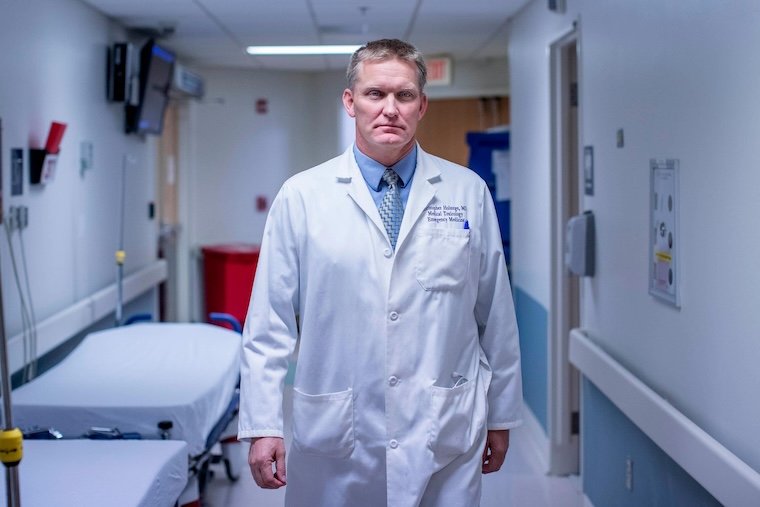
Dr. Chris Holstege encourages anyone who may have experienced a potential poisoning to contact UVA Health's Blue Ridge Poison Center for help.
When a potential poisoning occurs, calling UVA Health’s Blue Ridge Poison Center is faster – and safer – than relying on artificial intelligence or an internet search.
“Calls to the poison center are answered by healthcare providers specially trained to help in any poison emergency. They provide the calm, expert voice you can trust,” said Chris Holstege, MD, the Blue Ridge Poison Center’s director. “That’s why this year’s theme for National Poison Prevention Week is: when the unexpected happens, we’re here for you.”
Running through March 21, National Poison Prevention Week is an opportunity to highlight the free, confidential help available 24/7 by calling the Poison Help Line at 800.222.1222. It’s also an opportunity to address some emerging trends, including substance misuse related to novel cannabis, kratom and opioid products.
Whatever poisoning issue people may face, nearly 90% of Blue Ridge Poison Center callers who are in their home when they call can get the help they need and reman at home – saving the cost of a trip to a healthcare professional or hospital. A recent report released by America’s Poison Centers showed that poison centers save $3.1 billion each year in medical costs by enabling callers to address their issue at home.
Since the Blue Ridge Poison Center opened in 1978, it has helped over 1 million callers. On average:
- Nine out of every 10 poisonings happen at home.
- The most common sources of poisoning are medicines, cleaning products, pesticides and other household chemical products.
- More than 4 out of every 10 poisonings occur in children under age 6.
- Most fatal poisonings occur among adults, not children.
- More than 3 out of every 10 callers are hospitals, pharmacies, first responders, nursing homes, school nurses and other healthcare facilities seeking advice in managing poisoned patients with complex medical issues.
Blue Ridge Poison Center staff also serve as researchers, educators and advocates for poisoning prevention throughout the region. Visit their website for free educational resources, materials, or for more information: www.brpc.virginia.edu.
Article Topics
Media Contact

Eric Swensen
Public Information Officer