Making More Effective Probiotics
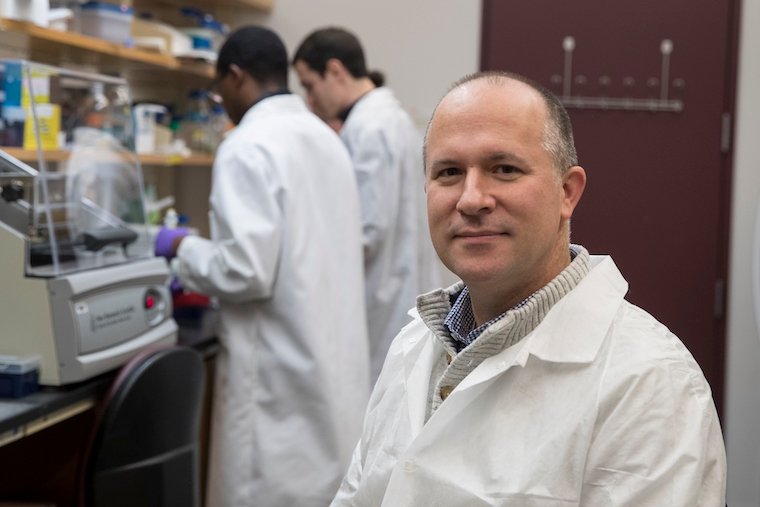
Jason Papin, PhD, and his team analyzed more than 350 over-the-counter probiotics sold at the three largest pharmacy chains in the United States – CVS, Walgreens and Walmart.
School of Medicine researchers led by Jason Papin, PhD, have reviewed more than 350 probiotic supplements sold at America's three biggest pharmacy chains and found there there was no real consistency in the combination of microbe species used to support gut health, vaginal health or other health claims.
The 352 products contained, collectively, only 36 unique species of bacteria. More than half contained only one. None had more than 17. Some brands maintained a consistent number of strains across products, while others did not.
It's important to remember that supplements are not regulated as strictly as drugs in the United States. The federal Food and Drug Administration has approved only two microbial products for therapeutic purposes, and both are used to treat recurrent C. difficile infections in the colon.
Papin noted that there was often a limited understanding of a particular microbe's connection to its marketed use. But he and his team have assembled a vast collection of powerful computer models, which they call HaPaPro, to change that.
The researchers used these models to see if they could identify probiotics with the potential to prevent bacterial vaginosis, which occurs when the vagina's natural ecosystem is disrupted. This can lead to discomfort, pregnancy complications, pelvic inflammatory disease and higher risk of sexually transmitted disease.
Their successful results, Papin says, demonstrates HaPaPro’s potential for identifying ways to manipulate the microbiome will have concrete benefits. Such insights, he hopes, will lead to better probiotic products that deliver on their promises.