Special Care for Sports-Related Concussions
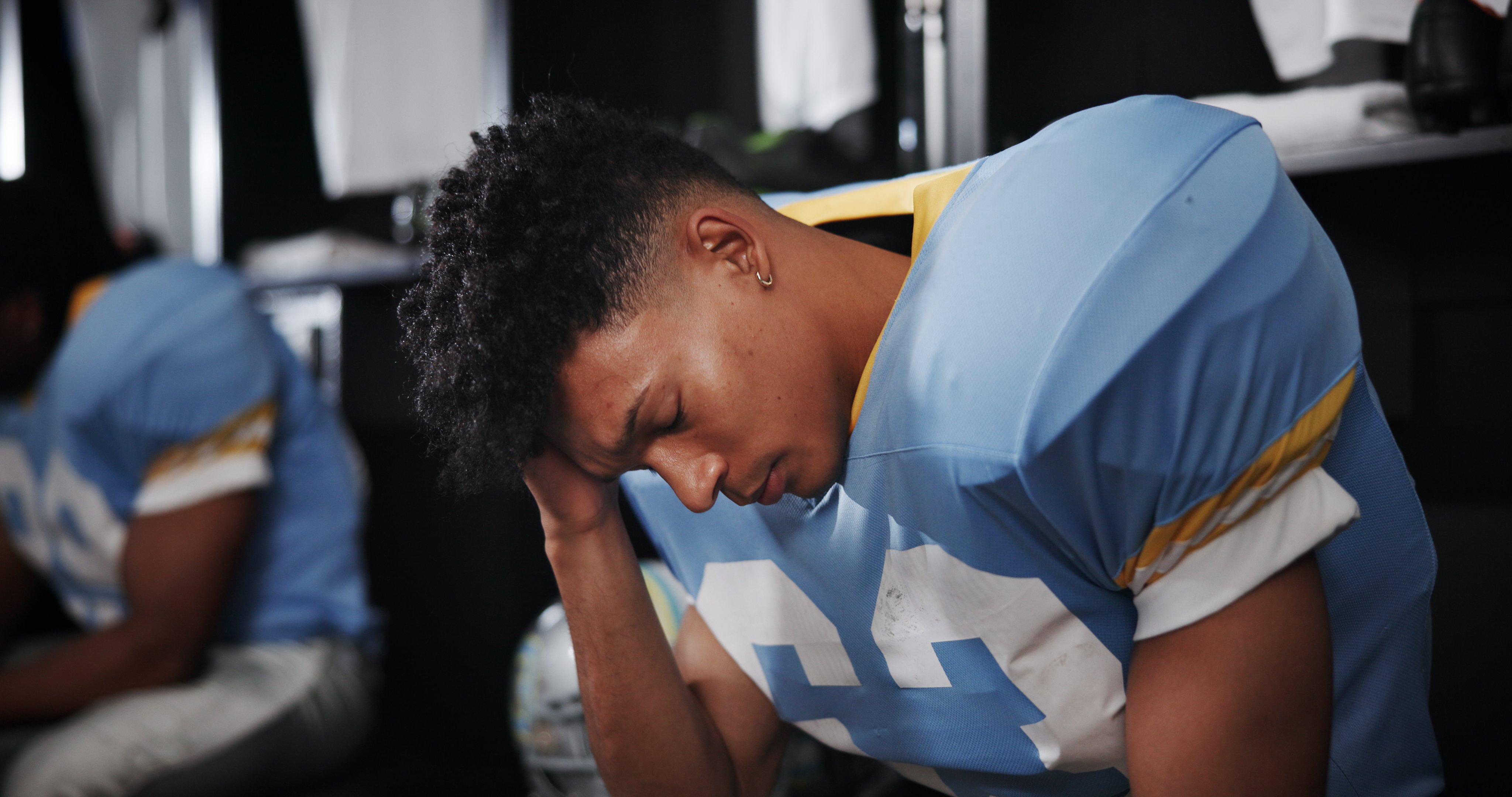
The start of school means many kids are returning to team sports. Team sports are a great opportunity to enjoy exercise, learn teamwork skills, and have a healthy release for energy. Sports-related concussions are often highest in the fall and going into winter. That’s partially because of the sports played during these seasons.
Jose Posas, MD, is a neurologist with UVA Health who specializes in sports-related concussions. “At the collegiate level, the literature points to men's football as having the most risk for concussion. A surprise for most folks at number two is actually women's soccer, followed by women's basketball, men's basketball and wrestling.”
Concussions Don’t Always Present Clearly
The stereotypical concussion symptoms, like acute headache and sensitivity to light, are clear and usually neatly overlap with a head injury. But when adrenaline is running high, sometimes the presentation can be unusual.
“I've seen one kid before, when I was covering sideline have none of those symptoms. He just came off the field cussing and throwing his helmet and just flipping his lid. And that wasn't his usual behavioral pattern,” Posas shares.
Many of the teachers and coaches were taken aback and considering a behavioral suspension. Posas suggested checking for concussion, and that’s what he ended up having.
Multidisciplinary Care
UVA Health’s sport concussion clinic accepts kids as young as 6 as long as their concussion was related to a sport. Most concussions respond well with no treatment other than time and rest. But the sports concussion clinic can offer something additional resources for student athletes.
Care Team Includes:
- Athletic Trainer
- Neurologist
- Neuropsychologist
- Orthopedist
Many kids are eager to get back to their team before the next game. But here, these determinations are based on objective evidence-based testing that centers a child’s well-being.
“Just because you feel better doesn’t necessarily mean that your performance is up to par to be able to defend yourself while playing contact sports,” Posas says.
Neuropsychologists can check for cognitive issues, including those that might affect academics, causing grades to slip. And with orthopedists, we can make sure there aren’t additional injuries, like whiplash, keeping children from healing.
Multiple Concussions
Multiple concussions, especially in a short period without healing time in between, can cause future problems with brain function. This has led to some professional athletes retiring early, hoping to preserve their future brain health. Some universities and other institutions have made rules prohibiting players with 3 concussions from playing.
Posas prefers thinking about the individual injury and the individual who’s been injured and their recovery. “I’m willing to work with you. I’m willing to get objective data. I’m willing to try to make sure you’re playing safely and you’re not harming yourself,” he says of his approach.
Unfortunately, for some student athletes, the answer is that they do need to stop playing a particular sport.
Athletics Can Be a Core Part of Identity
Posas doesn’t take the decision to tell a child that they need to give up a sport they love lightly. Often, a mental health specialist is also part of that conversation.
But he wants to make sure those kids understand that just because some sports aren’t good options doesn’t mean they won’t get to use the athletic prowess they’ve cultivated. “Can you throw the shot put? Can you run track? How about hurdles? What are other things we can get people to do that get them engaged and forming meaningful relationships in the athletic community.”
These conversations aren’t easy. But by understanding the importance and weight of it for the patient, Posas can be their ally in finding a path forward after concussion.
Article Topics