When to Provide Genetic Testing for Pediatric Neurological Conditions
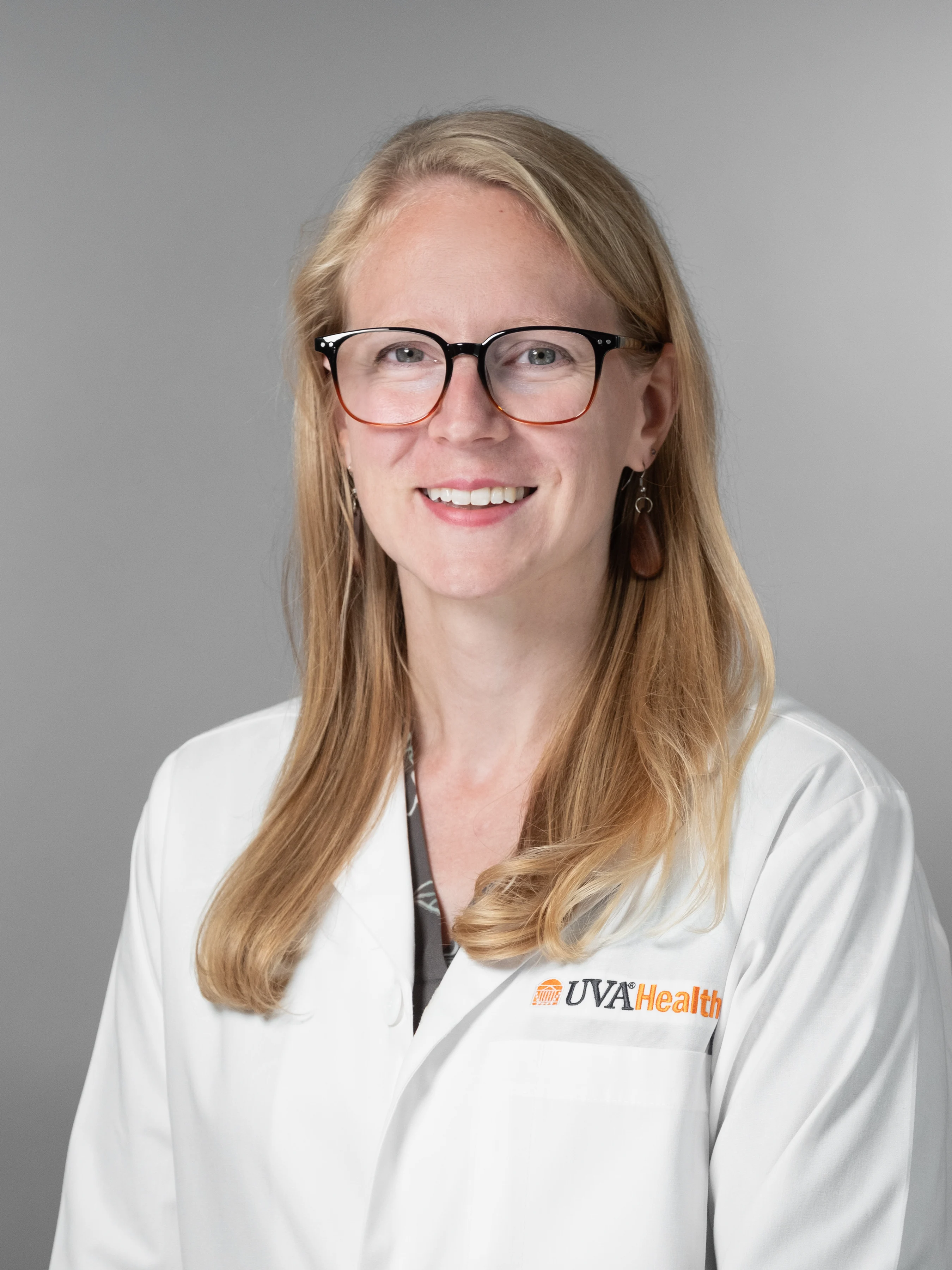
Up to half of unexplained epilepsy cases have a genetic cause. And as the field of neurogenetics expands, more are being identified. Dawn Lammert, MD, PhD, is a pediatric neurologist whose specialties include epilepsy, genetics, rare diseases, and neonatal neurology.
She shares when referring providers should consider referring a patient for genetic testing.
How can referring providers help their patients access care?
Current recommendations are that all people with unexplained epilepsy should be offered comprehensive genetic testing and counseling. Our sequencing technologies and scientific understanding are always improving. Those who have had prior genetic testing but without a clear diagnosis should be considered for re-analysis every 1-2 years. Many people are not aware that the cost, coverage, and feasibility has drastically improved, and most people with unexplained epilepsy qualify for some form of comprehensive genetic testing with minimal out of pocket costs. Awareness is the first step towards accessibility.
What risk factors should referring providers be on the lookout for?
The likelihood that a genetic cause of epilepsy is identified through genetic testing is significantly higher with co-occurring developmental delay or intellectual disability. In fact, individuals with global developmental delay and intellectual disability independent of epilepsy are also recommended to be offered genetic testing.
What’s something about your specialty you wish every referring provider knew?
Epilepsy is not a contraindication to participating in most sports. Sports are a great way to build friendships, normalize a diagnosis, combat stigma, and support positive mental health.
What’s one thing that every primary care doctor could start doing today to help their patients?
ADHD and depression are not uncommon in children with epilepsy, and primary care physicians do an excellent job of screening and treating for both comorbidities. Epilepsy is not a contraindication to the treatment of ADHD, even with stimulants. Newer SSRIs may even improve seizure frequency.
When should providers refer their patient to your program?
I offer a multi-disciplinary epilepsy genetics clinic with synchronous neurology and genetic counseling appointments for unexplained, undiagnosed epilepsies. I also care for children with rare neurogenetic diseases, especially with comorbid epilepsy, children with neonatal- or infantile-onset epilepsies, and patients who might benefit from the addition of non-pharmacologic therapies such as the ketogenic diet or epilepsy surgery. I also care for children with neurodegenerative diseases, and am particularly interested in improving the recognition and care of children with juvenile-onset Huntington’s Disease.
What’s your approach to working with referring providers?
Often children come from significant distances from Charlottesville. A local champion for their care is essential. The referring provider is frequently the most essential member of a child’s medical team, and my approach is just that – teamwork.
How do you handle meeting a newly referred patient?
Even though I request and read a patient’s records before we meet, it is always best to hear what is going on firsthand. I understand that it can sometimes be tiresome to repeat a complex history, but it is so essential. I also love getting to know my patients, their families, and their stories.
What’s one thing UVA Health Children's can offer these patients that you think makes their experience better?
UVA Health Children's is a group of the most compassionate and empathetic providers I have met, equally matched with an addictive energy and passion for improving patient care. A unique feature of our pediatric neurology, genetics, and epilepsy programs is the blend of clinician scientists that offers the opportunity to identify and connect patients with precision therapies and research.
What made you decide to focus on your specialty?
Growing up, my mom was a special education aid in my school. In reflecting, I think the experience seeing her work with her students and having the opportunity to babysit for some of her students that largely drew me to child neurology and research aiming to understand the molecular mechanisms of brain development.
What’s your favorite thing about practicing as a specialist?
I love being able to share knowledge with and empower families. In particular, I love being able to identify the underlying genetic cause of a child’s symptoms, and in ideal circumstances, provide a precision therapy that targets that genetic cause. I’m hopeful for a day when everyone can find an end to their diagnostic odyssey.
Article Topics