Does Your Patient Need a Lung Cancer Screening?
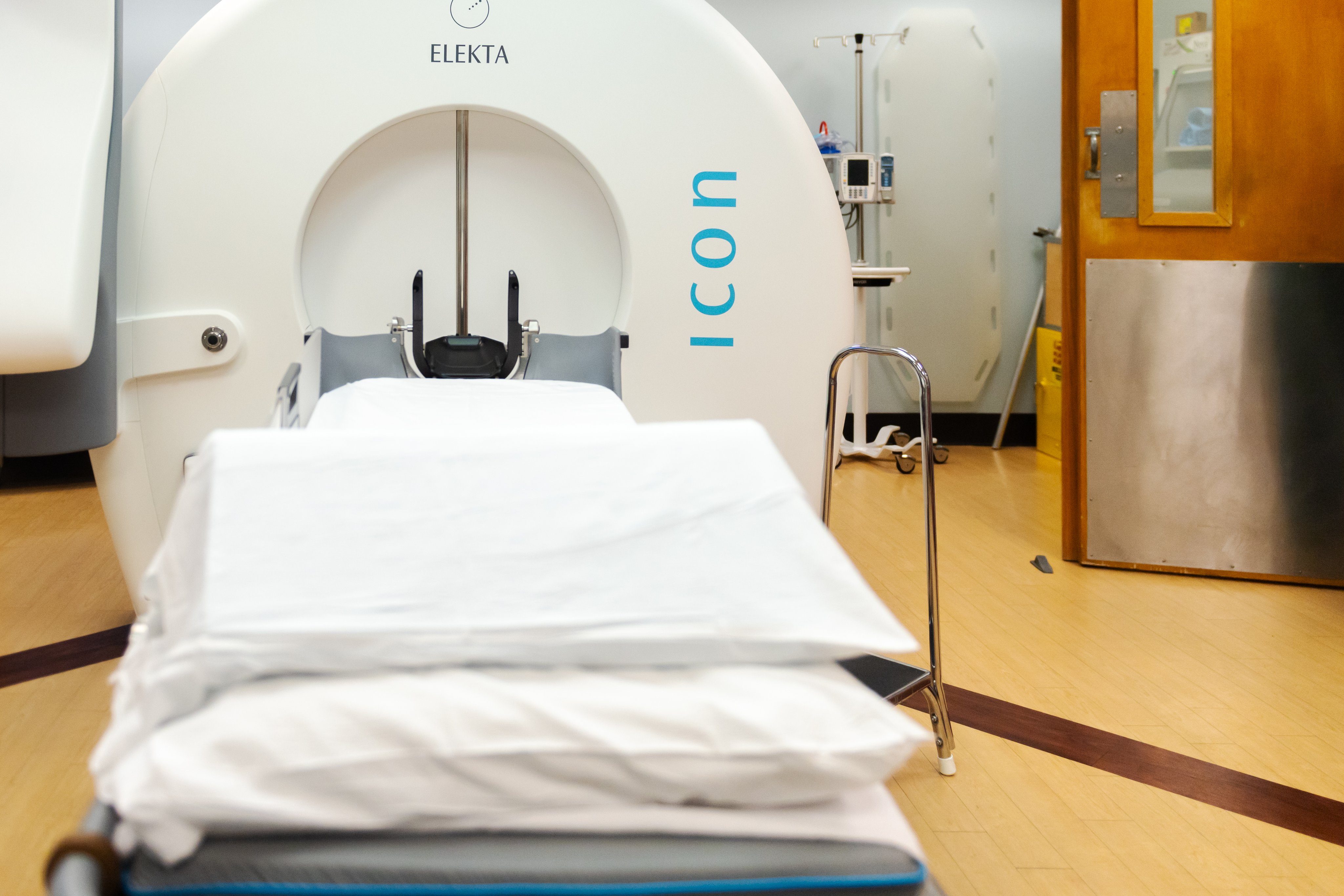
Large clinical trials have demonstrated that annual low-dose CT screening in high-risk patients significantly reduces lung cancer mortality. In fact, the number needed to screen to prevent one lung cancer death is significantly lower than for mammography, fecal occult blood testing, and PSA screening.
"After three annual low-dose chest CTs, there was a 20.3% relative risk reduction in lung cancer mortality and a 6.7% relative risk reduction in all-cause mortality," shares Ellen Volker, MD, referencing the National Lung Screening Trial. "The number needed to screen to prevent one lung cancer death is 320, compared to mammography, which is 2000 screens to prevent one breast cancer death."
However, approximately 80% of patients eligible for lung cancer screening are not screened, according to a recent study led by the American Cancer Society.
As a clinician, you play a key role in closing this gap. Below, Volker, section chief of interventional pulmonology at UVA Health, breaks down when lung cancer screening is appropriate and how to guide patients through screening and follow-up.
Lung Cancer Screening Criteria
Lung cancer screening is recommended for patients who meet clear, evidence-based criteria.
According to guidelines from the U.S. Preventive Services Task Force, patients should be referred for annual low-dose CT (LDCT) screening if they:
- Are 50-80 years old
- Have a 20 pack-year or greater smoking history
- Still smoke or quit within the past 15 years
- Have no symptoms of lung cancer
“Providers should routinely ask patients about their smoking history — how many years they smoked, how many packs per day, and when they quit — at least once a year,” Volker recommends. “That information alone identifies many patients who qualify for screening.”
Guidelines for Patients With Lung Cancer Symptoms
Screening is intended for asymptomatic patients.
Patients should undergo diagnostic CT imaging if they have concerning symptoms such as:
- Hemoptysis
- Unexplained weight loss
- Persistent or worsening respiratory symptoms
“In those cases, the priority is timely diagnosis and staging,” Volker notes. “Patients should be referred to a center with the ability to perform biopsy and lymph node staging — ideally in a single procedure when possible.”
Lung Cancer Screening at UVA Health
High-quality screening requires standardized imaging protocols, experienced interpretation, and structured follow-up.
UVA Health is an ACR Designated Lung Cancer Screening Center. That means we've met national technical and clinical standards for lung cancer screening quality developed by the American College of Radiology. This designation helps ensure patients receive:
- Optimized low-dose CT imaging
- Standardized reporting and follow-up recommendations
- Coordinated care if additional evaluation is needed
This translates to clearer results, consistent recommendations, and confidence that screening is being performed to established best practices.
What Happens When Screening Is Positive?
If a lung cancer screening CT identifies a concerning finding, patients can receive a coordinated, multidisciplinary evaluation at our NCI-designated comprehensive cancer center.
Our lung cancer treatment program includes:
- A dedicated lung nodule clinic
- Advanced bronchoscopic techniques, including robotic bronchoscopy and endobronchial ultrasound (EBUS)
- Thoracic surgery, medical oncology, and radiation oncology
- Weekly multidisciplinary thoracic tumor boards
- Nurse navigators and care coordinators who guide patients through diagnosis and treatment
- Support services such as social work and palliative care
“Our goal is to move patients efficiently from screening to diagnosis to treatment, while supporting them and their families at every step,” Volker says.
Partnering With Referring Providers
Volker emphasizes that collaboration with referring providers is central to UVA Health’s approach.
“I’m always available to speak with referring providers about current or potential patients,” she says. “We also offer telehealth visits for patients who live far away, and we work closely with social work teams to help address transportation or lodging needs when patients need to come to Charlottesville.”
Refer a Patient for Lung Cancer Screening
If your patient meets screening criteria, our team is happy to partner with you — providing expert screening, clear follow-up, and reassurance for both you and your patient.