Collaborative CHD Care Provides Better Experience for Families, Easier Pathways for Referring Providers
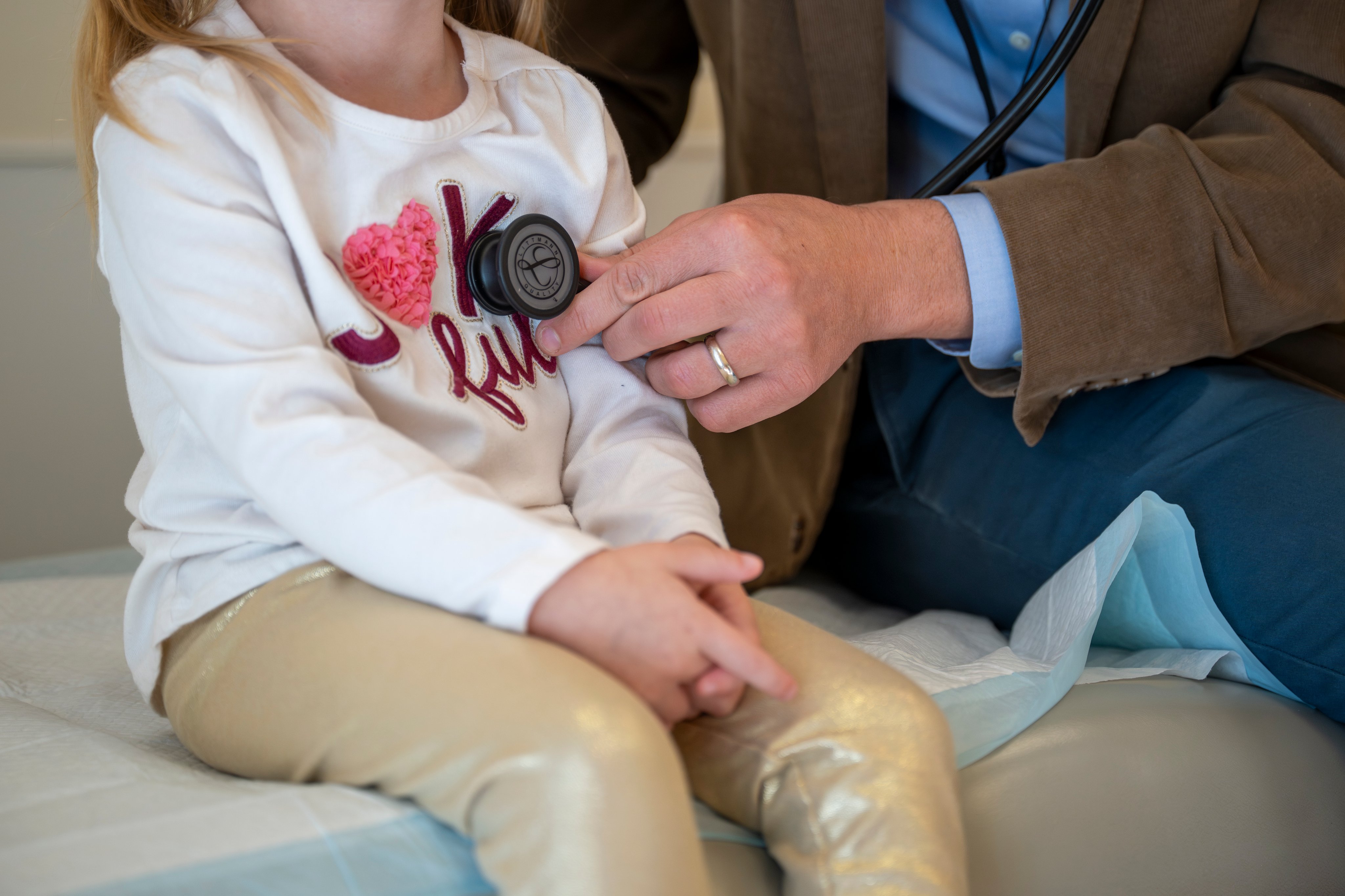
Congenital heart disease (CHD) often requires such intricate care that only a few clinicians in the country have the expertise and training needed to deliver the best possible outcomes. But for referring providers, this can create more questions than answers. If they live closer to one children’s hospital than another, which should they refer to?
The Virginia Congenital Cardiac Collaborative (VC3) aims to negate these concerns and make the process easier for patients, families, and referring providers.
Drs. James Gangemi and Michael McCulloch share what this means for congenital heart defect care in Virginia.
Why Collaboratives Deliver Better Care
Gangemi explains, “By having this collaborative, you have the ability to get kids where they need to be, and as close to home as they can be, while getting the care they need, without redundancies in process.”
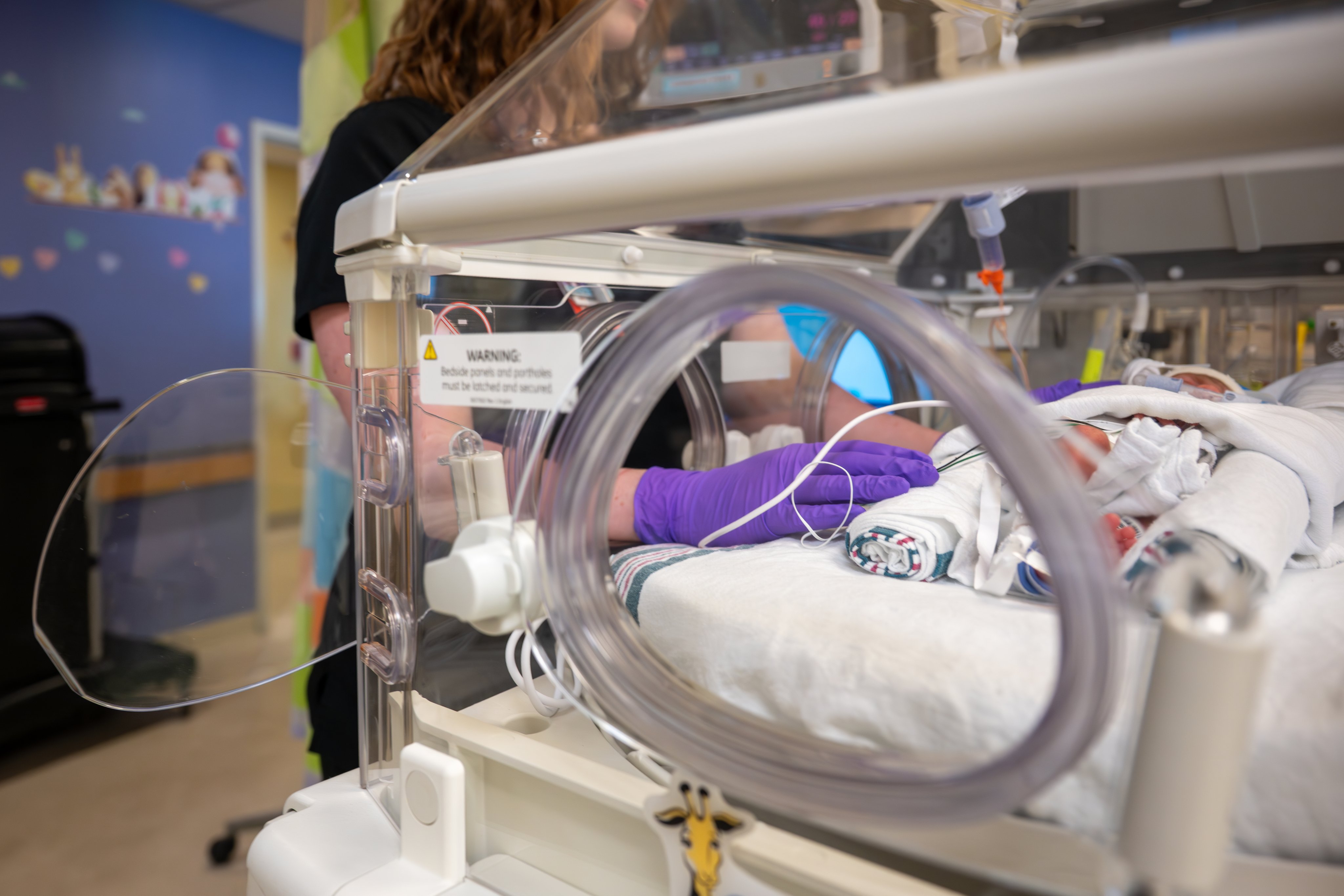
Before the children’s hospitals began this collaboration, infants often had to leave the state to get the care they needed. “You can’t have multiple partial versions of a program across the state and optimize outcomes,” McCulloch says.
But together, the collaborative is more than the sum of its parts. In addition to working together, the team has also worked to create standardization of care. “For instance, if there’s a straightforward VSD (ventricular septal defect) in Richmond, there’s no need for them to travel. If a VSD is done at CHKD, or VCU, or UVA Health Children’s, it’s going to be treated the same,” Gangemi says.
That standardization also means that if there are complications or transfers, the next team can pick up right where the other left off.
What This Means for Patients & Families
“Complex newborns and any patient with heart failure need to be seen at UVA Health Children’s,” Gangemi says. “But they can go back to CHKD and see their cardiologist there, so they don’t have to travel back and forth.”
UVA Health Children’s has the only pediatric heart transplant program in the state. That means there’s also access to mechanical circulatory support systems like ECMO and the full array of ventricular assist devices needed to help children with the most complex cardiology needs.
Heart surgeons participating in the VC3 hold privileges at all 3 hospitals and have scheduled visits to follow-up with patients.
That means access to advanced care for all of Virginia’s children, and access to follow-up care close to home.
What This Means for Providers in Virginia
In the past, providers sometimes sent patients out of state for CHD care. Not only did this often create insurance issues, especially for patients on Medicaid, but it also created problems with follow-up.
Now, providers can simply refer to the closest children’s hospital. There, the collaborative can determine whether their surgery can be managed at that center, or if they will need to be moved for surgery.
“What we don’t want is to cause confusion. If you have a patient who is short of breath, get them seen locally,” Gangemi says. “Then it can be triaged to which program is the best for that particular issue.”
The 3 children’s hospitals have created these relationships built on trust and a complete understanding of each other’s strengths. Part of that comes from working side-by-side.
“There’s no question that if you have two board-certified brains and sets of hands and eyes working on a patient, the outcomes are going to be better,” Gangemi says. “Especially for some of the more complex patients.”
When to Refer for CHD
CHD is most often detected prenatally via fetal ultrasound. Advanced imaging, cardiac monitoring, and additional tests can help specialists determine the full scope of care required for an individual patient.
Often, when babies are born with CHD, providers have already outlined a plan, helped to educate the family, and are ready. And with the VC3, the referral route for providers has never been easier.
Article Topics