New Organ Transplant Tech Helps More UVA Health Patients Get Needed Organs
Organ transplants are a life-saving treatment for thousands of patients every year. But getting vital healthy organs to all the patients who need them isn’t easy. A successful transplant depends on how well we can protect a donated organ while it travels from the donor (the person who gave an organ) to the patient.
Unfortunately, in Virginia, 2 people die every week while waiting for an organ donation.
Recently, while standing in a hallway at UVA Health, members of the transplant team were approached by someone who had noticed one of their temperature-controlled coolers. She paused and asked, “Is that what you use to transport organs?”
When told yes, she asked if she could bless it.
In the quiet that followed, she became teary-eyed and shared that her son had been an organ donor at another hospital. To her, these coolers were not just equipment—they were temporary homes, carrying precious gifts from one life to another.
It was a powerful reminder that organ donation depends on the extraordinary generosity that makes it all possible.
New Organ Transplant Technology at UVA Health
“It’s an honor to be part of a comprehensive, patient-centered transplant team here at UVA Health that gives hundreds of patients the gift of life each year through an organ transplant,” said Shawn J. Pelletier, MD, director of the transplant service line and chief of transplant surgery at UVA Health. “The most significant limitation on our ability to help patients is the number of donated organs available for transplant.”
At UVA Health, we’re using advanced technology to make sure these "gifts of life" stay as healthy as possible during their journey to a recipient.
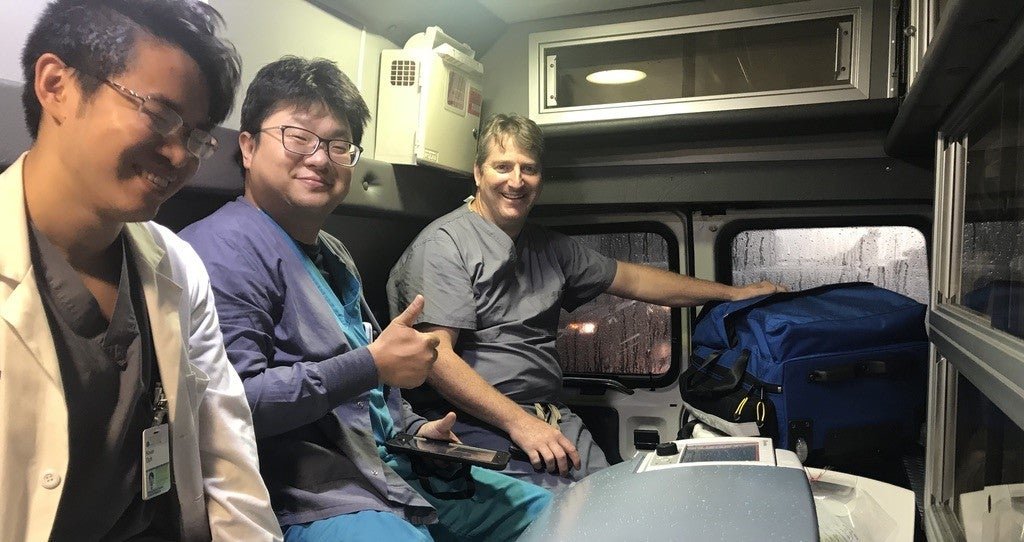
April is National Donate Life Month
For National Donate Life Month, consider becoming a living organ donor. With more than 100,000 people currently waiting for a transplant, your decision could help someone receive a life-saving kidney or liver—and a second chance at life.
Why Traditional Methods Needed an Upgrade
In the past, the standard way to move an organ was to put it on ice to help it last longer. While this has saved many lives, it presents two major challenges:
- The Sleeping Organ Problem: When an organ is placed in traditional cold storage, its metabolism slows down almost completely. While this preserves it, the organ is essentially "off." This means we can’t see how well the organ is working until it is already inside the patient.
- The Ice Bite Problem: Delicate organs are very sensitive to temperature. Traditional cold storage can be inconsistent. Failure to keep an even temperature can cause "overcooling" injuries, similar to frostbite.
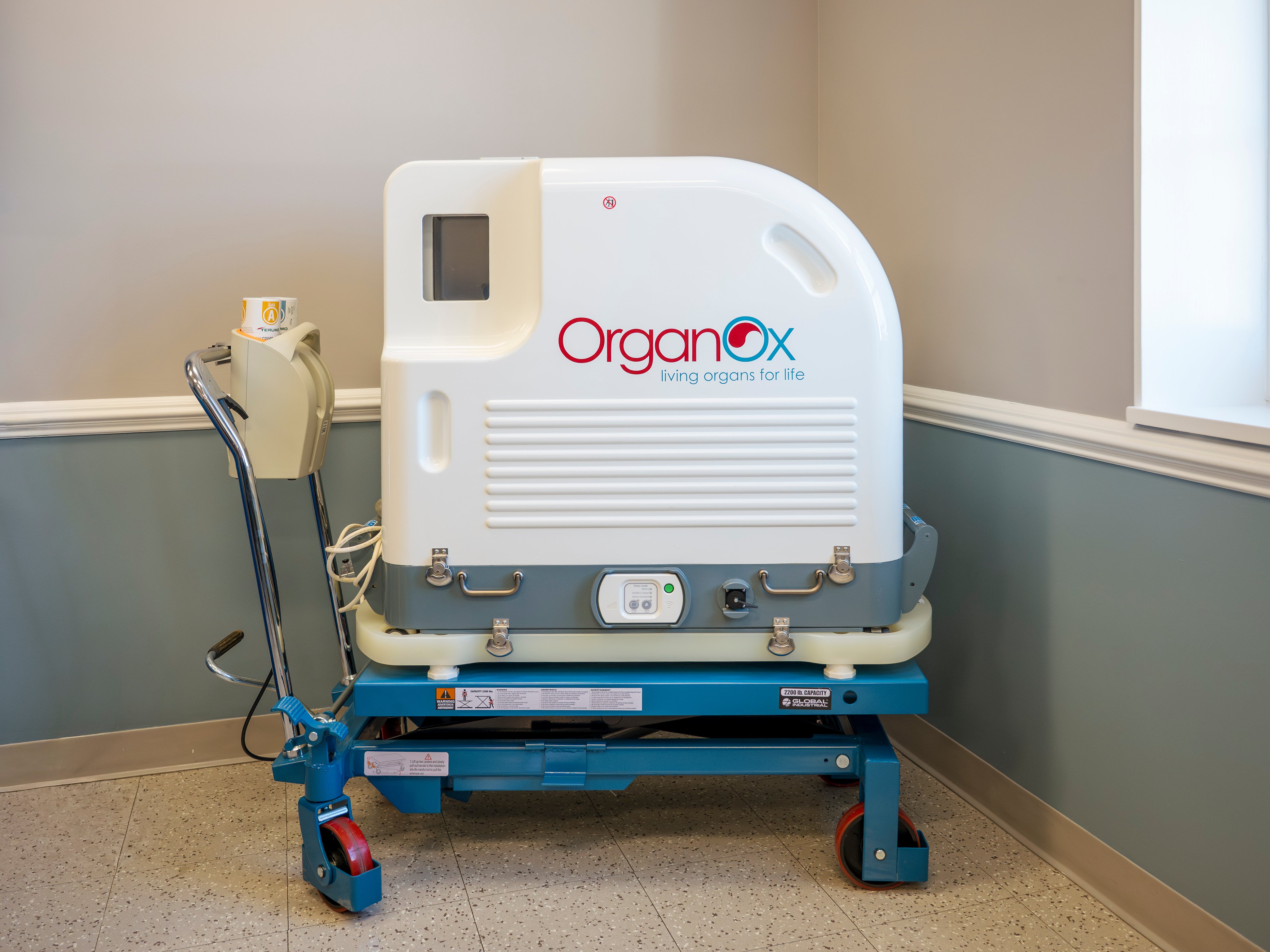
OrganOx is a Living Environment for Livers
The OrganOx metra solves the "sleeping organ" problem by keeping donated livers warm. Instead of cooling them down, this device keeps the organs at a normal body temperature.
The machine works by pumping warm, oxygenated blood through the organ, allowing it to continue functioning just like it would inside a human body. Maintaining the organ's natural state leads to better outcomes for patients after their surgery.
We can check the organ’s health and quality before the transplant surgery. And, by avoiding cold storage, the organ experiences less damage during transport.
Precision, Temperature-Controlled Cooling for Organs
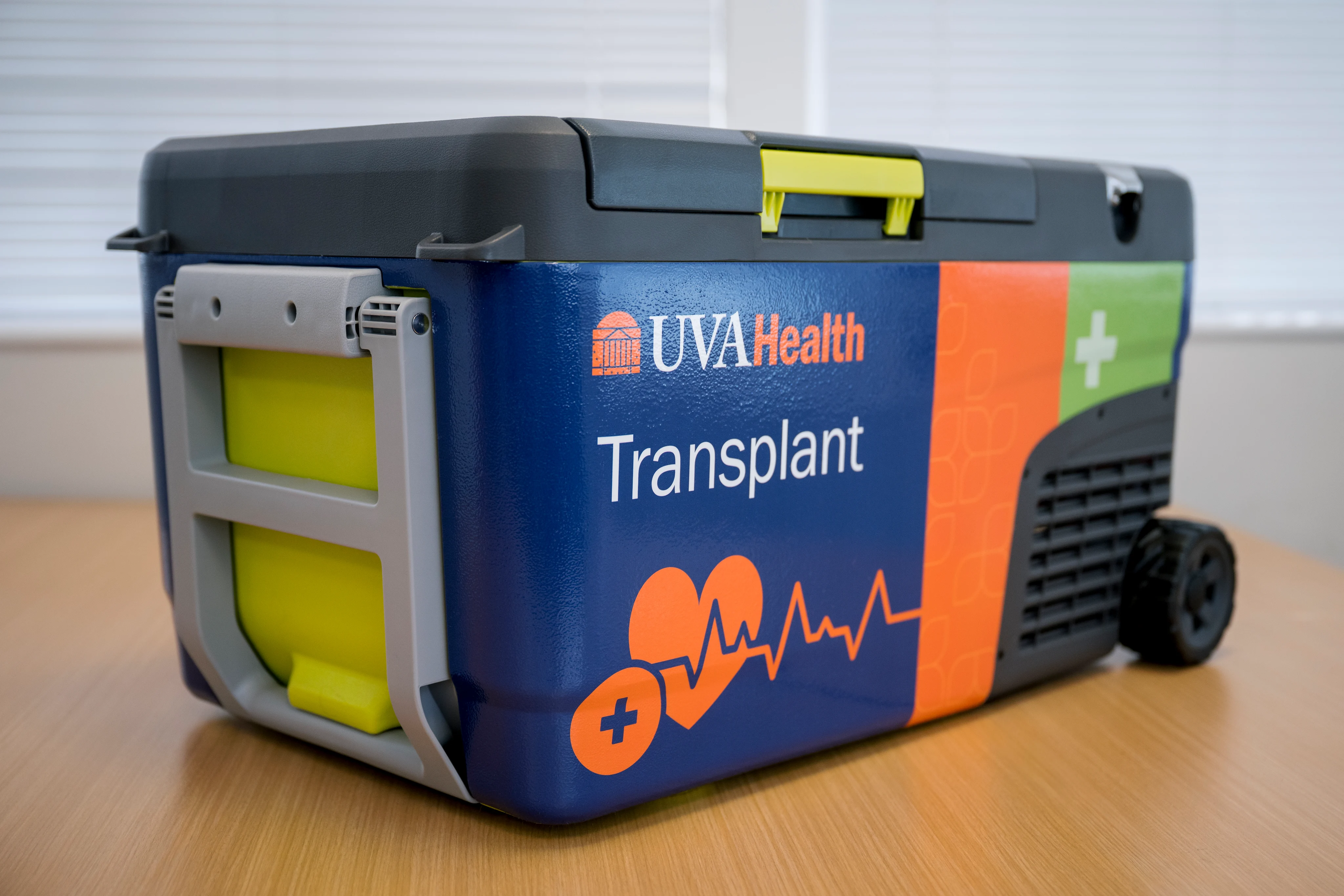
To solve the "ice bite" and stability problems, our transplant team uses modified Ryobi temperature-controlled coolers. These are not your typical camping coolers. They’re precision tools used to transport donor organs at a steady temperature of 10°C (50°F).
The main benefits of these coolers are:
- They provide a much more precise and steady environment than a bag of melting ice
- 10°C is cool enough to slow down cellular activity safely, but warm enough to avoid the injury that comes from being too cold
- The organ can stay stable longer, allowing transplant surgeons to use organs from much farther away, making more available organs for transplantation for our patients
Philip W Carrott, MD, surgical director of the lung transplant program at UVA Health, noted, “As organ preservation research has progressed over the last 5-10 years, centers have found that slightly warmer temperatures over ice storage has allowed organs to sustain longer transport and ischemic times without any damage to the organ function post-operatively.”
We currently have three of these specialized coolers in use. Because more people need transplants, we hope to increase our number of coolers to four.
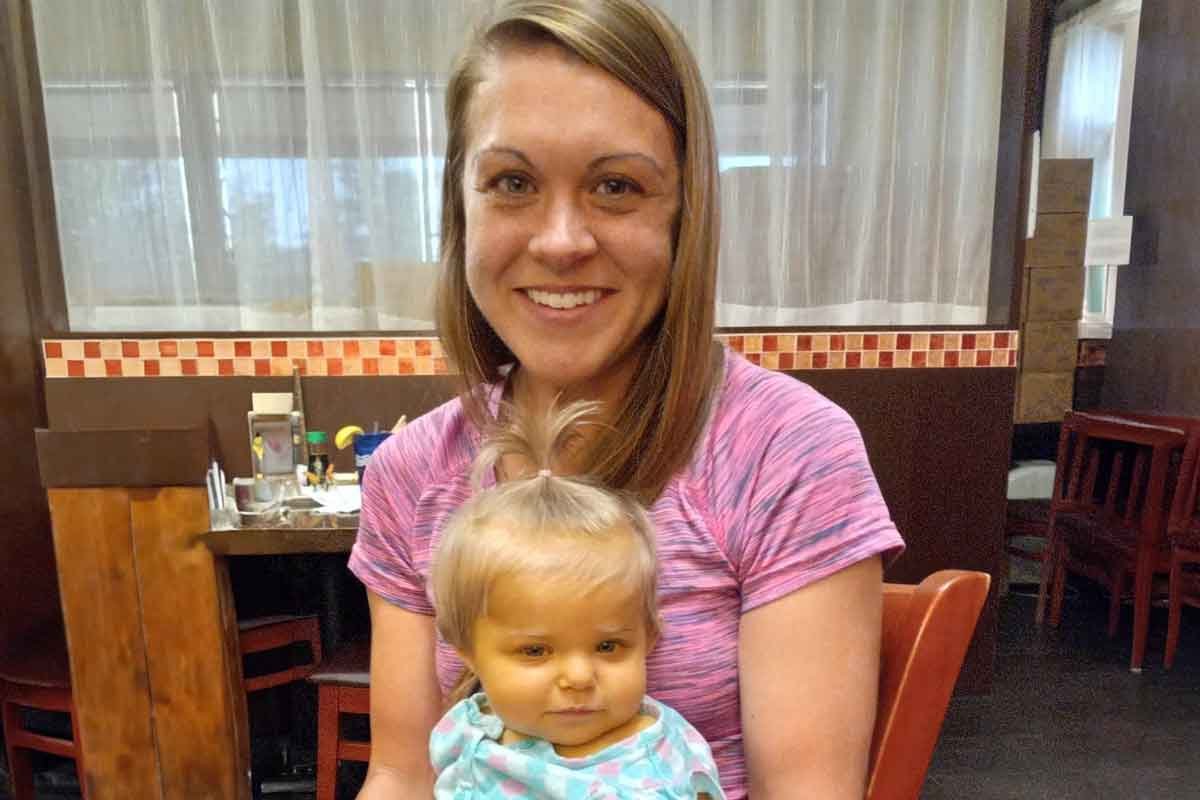
Would You Donate Part of Your Liver to Save a Stranger? Here’s Why She Did
When Christina Miller heard that a baby desperately needed a liver in order to live, the call went straight to her heart. So, Christina became a living liver donor.
Better Tech, Better Recovery at UVA Health
These new innovations help us to lower transplant risks by making sure that every organ is in good condition so that our patients have the best outcomes possible. “We’re excited these improvements in preservation can lead to better transplant organ function and shorter hospital stays,” says Carrott.
Here, we have the most experienced transplant team in Virginia. Our team has special training in the latest transplant techniques and almost 60 years of researching, supporting, and performing organ transplants.
We offer help through our transplant coordinators, who’ll guide you through each phase of the transplant journey, whether as a donor or as a patient. And we have support groups for patients and caregivers, both online and in-person.
Consider becoming an organ donor. It can mean the difference between life and death for someone today. Because even with the most advanced technology, protocol, and breakthrough, it all depends on the gift you decide to make when you donate an organ.