Facial Paralysis Doesn’t Always Resolve: When to Refer

For patients with facial paralysis, incomplete recovery can affect far more than facial movement. Persistent weakness, asymmetry, synkinesis, spasms, or incomplete eye closure can interfere with eye protection, eating, speaking, emotional expression, and social interaction.
The psychological impact can be just as significant. Patients may withdraw from work, relationships, photos, meals, or activities they previously enjoyed because they cannot smile, blink, or express themselves the way they used to.
Many patients are told to wait for recovery or assume they have no further treatment options. But when facial paralysis does not fully resolve, advanced facial nerve care may help improve function, symmetry, comfort, and quality of life.
In adults, about 70% of patients with Bell’s palsy have complete or near-complete recovery, often within 3 to 4 weeks. That leaves up to 30% with persistent symptoms.
“Any patient with difficulty moving part or all of their face could benefit from facial nerve evaluation at our center,” says Sam Oyer, MD, facial plastic and reconstructive surgeon and director of UVA Health’s Facial Nerve Center.
When Facial Paralysis Warrants Specialty Evaluation
Sudden facial drooping should be evaluated promptly to rule out stroke or another serious cause. Once urgent causes are addressed, patients may still benefit from referral when facial weakness is persistent, recurrent, progressive, unexplained, or affecting function or quality of life.
Facial paralysis can result from:
- Bell’s palsy
- Ramsay Hunt syndrome
- Stroke or other neurologic conditions
- Infections, including Lyme disease
- Tumors affecting the facial nerve
- Injury or trauma
- Complications from surgery
- Congenital conditions
- Another known or suspected facial nerve injury
- An unclear or undiagnosed cause
Patients may benefit from referral to the Facial Nerve Center when they have:
- Difficulty moving part or all of the face
- Facial weakness with an unclear cause
- Facial paralysis that is recurrent or not fully recovered
- Incomplete smile or persistent facial asymmetry
- Difficulty closing the eye or blinking normally
- Facial twitching, spasms, tightness, or synkinesis
- Trouble speaking, chewing, drooling, or keeping food or liquids in the mouth
- Psychological or social distress related to facial movement or appearance
Ramsay Hunt syndrome can be more severe than Bell’s palsy and may have higher rates of incomplete recovery, persistent synkinesis, and facial spasms.
Referring Your Patient to the Facial Nerve Center
Providers can refer through standard UVA Health referral channels. Medical offices or patients may also call 434.924.5700 to schedule a visit.
For questions or trouble getting a patient scheduled, providers can contact Oyer directly at [email protected].
When patients have persistent facial weakness, incomplete recovery, recurrent paralysis, synkinesis, facial spasm, or difficulty with eye closure, UVA Health’s Facial Nerve Center can help evaluate the cause, identify treatment options, and support recovery of facial function, symmetry, and quality of life.
Referral Does Not Require a Defined Treatment Plan
Patients do not need to know which facial paralysis treatment they need before referral. The center can help determine the cause of paralysis, assess recovery potential, and identify nonsurgical, surgical, rehabilitative, and mental health supports that may improve function and quality of life.
“Certain types of facial paralysis produce lasting impacts and cannot be fully reversed,” Oyer says. “In nearly every case, however, there are treatments that can improve a patient’s symptoms and symmetry, even in instances of long-lasting paralysis.”
Some treatment options may be time-sensitive. When facial paralysis is more recent and the facial muscles remain healthy, nerve grafting or nerve transfer may help restore movement. When paralysis has lasted longer, other options such as muscle transfer, tendon transfer, facial suspension, or procedures to improve eye closure and facial balance may be more appropriate.
That makes referral valuable both early in the course of paralysis and for patients who have lived with persistent symptoms for months or years.
Multidisciplinary Care for Function, Symmetry, & Quality of Life
The center brings together specialists who treat the full range of issues caused by facial paralysis, including eye health, eating, speaking, facial movement, physical function, and psychological well-being.
The care team may include specialists from:
- Facial plastic and reconstructive surgery
- Otolaryngology
- Ophthalmology
- Neurology
- Neurosurgery
- Physical therapy
- Psychiatry and mental health care
We see more than 200 patients each year with facial paralysis and offer the full range of treatments, from nonsurgical management to advanced facial reanimation surgery.
What Patients Can Access After Referral
Treatment is personalized based on the cause of paralysis, duration of symptoms, patient goals, and which parts of the face are affected.
Patients may benefit from:
- Specialized facial physical therapy or neuromuscular retraining
- Botox injections for facial spasm, tightness, or synkinesis
- Eye-protection procedures for patients with incomplete eye closure
- Facial nerve grafting or nerve transfer
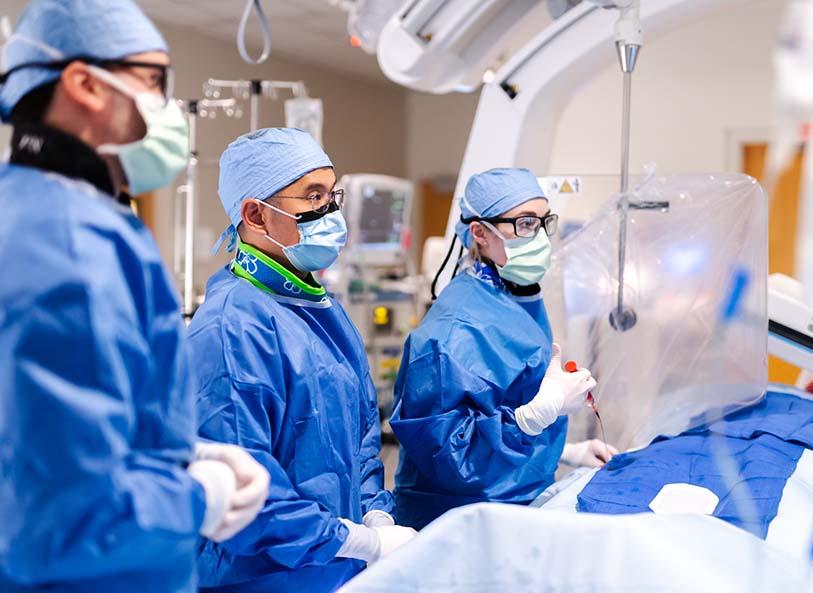
- Gracilis muscle flap surgery
- Temporalis tendon transfer
- Selective neurectomy or myectomy
- Facial suspension procedures
- Mental health support for the social and emotional effects of facial paralysis
Specialized physical therapy is often central to treatment. It can help patients improve facial coordination, reduce tightness, manage synkinesis, and optimize recovery after medical or surgical treatment.
Mental health support is also an important part of comprehensive facial paralysis care.
“The psychological and social impacts of facial paralysis are often as challenging for many patients as the physical aspects,” Oyer says. “Our goal is to improve the entire patient’s well-being, both physical and psychological.”
What Happens at the Initial Visit
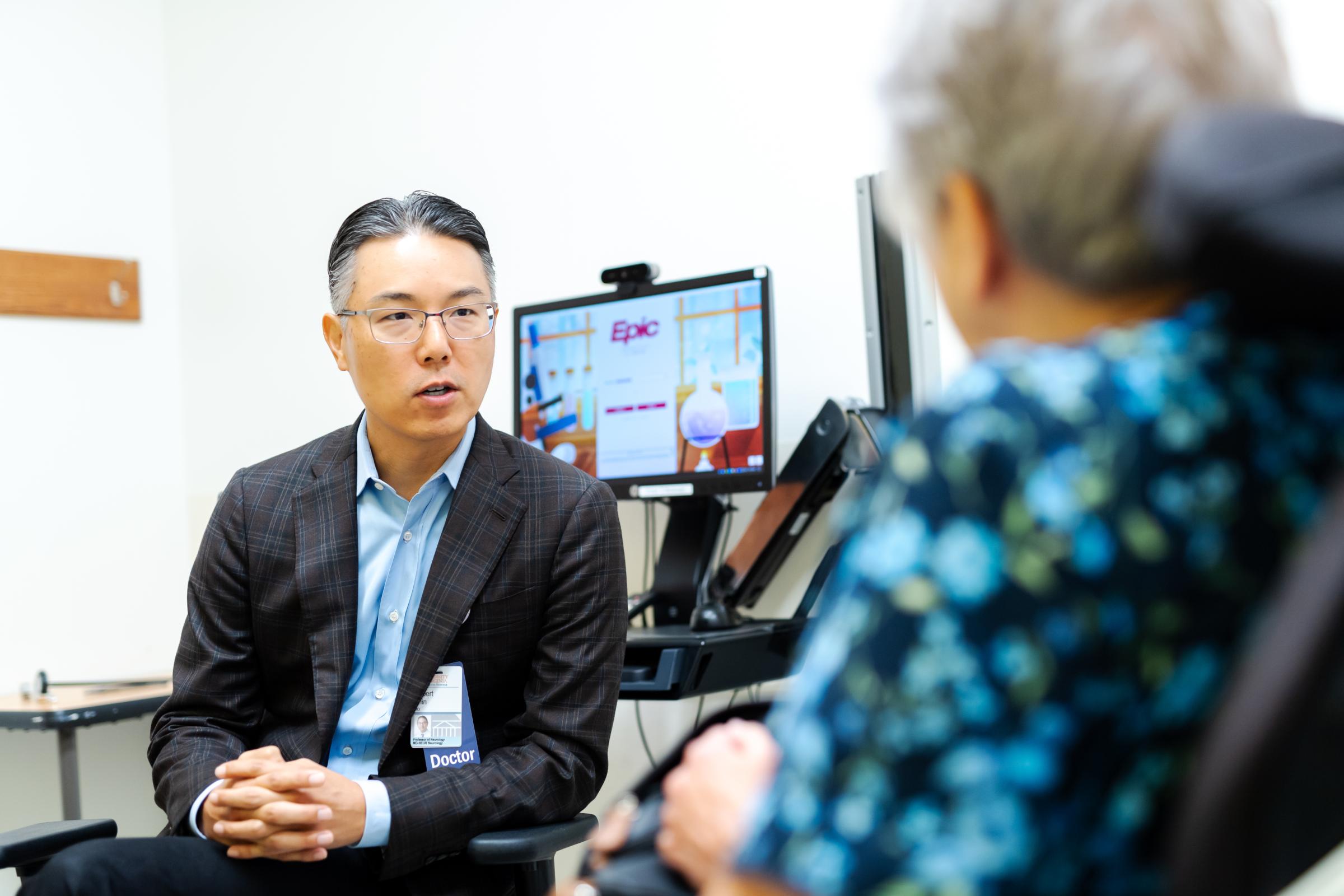
The initial visit is typically with Oyer or the center’s co-director, Vusala Snyder, MD. During that visit, the team evaluates the cause, duration, and symptoms of the patient’s facial paralysis.
Patients typically complete baseline quality-of-life surveys and have clinical photographs taken to support treatment planning and monitor progress. Depending on the patient’s symptoms and goals, the team may recommend additional testing or consultations with other facial nerve specialists.
Many patients also work closely with the center’s specialized facial nerve physical therapist throughout treatment.
“Think of the facial nerve surgeon as the quarterback for the patient’s care moving forward,” Oyer says.
How the Center Works With Referring Providers
The Facial Nerve Center aims to make referral and follow-up straightforward for providers and patients.
The team can assume care for patients who need advanced facial nerve treatment or provide recommendations that referring providers can help carry out locally.
For example, some patients who need Botox injections for facial spasm every three months may be able to receive those injections from an experienced local physician while maintaining virtual follow-up with the Facial Nerve Center as needed.
Video visits are available for initial consultations and follow-up visits for patients in Virginia who may have difficulty traveling to Charlottesville.
Get the Healthy Practice Newsletter
Research-driven insights and specialty guidance for clinicians — delivered straight to your inbox.